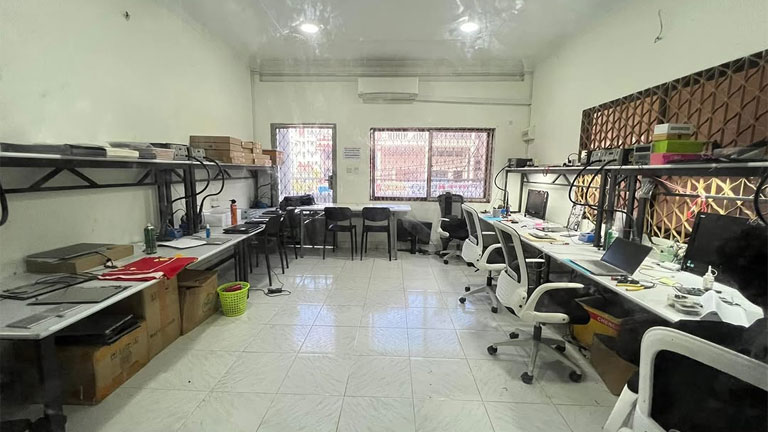
These days, things don’t take long to get old. For example, you might love your office when you first set it up, but after a few years, the same office starts to look outdated and needs repair. The paint fades, cracks, and gaps appear in the walls, and the flooring gets worn out. Even the furniture needs repairs. So, how can you give your worn-out office a fresh new look? That’s what we will be talking about today.
The building starts to show signs that it can have a negative impact, not only in its outward appearance but in many other aspects as well. Cracks, leaks, and broken fixtures can lower employee morale, disrupt work, and even create safety hazards that you might not immediately recognize. If your building is falling into disrepair, it is crucial to take action promptly and adopt a proactive, business-focused approach.
Do an office inspection
The first thing you should do if you are worrying about disrepair is walk through the building and note any visible problems. You should look for cracks in the walls or floors, water stains, uneven surfaces, damaged ceilings, or worn entrances. You should not ignore the smaller issues because they often build up, but minor damage will grow into major repairs if left alone. It is also helpful to talk with employees or tenants, as they may notice problems that you have missed. This includes anything from banging pipes, plumbing concerns, or draughts.
Professional inspection
If you need more comprehensive information, consider hiring a professional inspector. They can identify any hidden problems and help you understand which repairs are necessary and which can be planned for over time. It is crucial to prioritize safety and compliance, and from a business perspective, safety should always come first. Loose railings, broken stairs, inadequate lighting, or structural weaknesses can lead to accidents and legal liabilities. It is essential to ensure your building meets local codes and regulations. Non-compliance can result in fines, legal issues, or even forced closure, disrupting operations. Address any problems promptly.
Inspection from outside the office
One of the first steps many property owners take is commercial concrete repair, as damage to foundations, sidewalks, parking areas, or even structural components can indicate deeper issues. When you address these problems promptly, it can help avoid more costly repairs down the line.
Fix the issues
When you address safety issues promptly, it demonstrates that you care about your employees, clients, and visitors, which helps protect your reputation. You can create a realistic repair plan that will also safeguard your reputation. Once you understand the condition of your building, it is essential to develop a repair plan that fits your budget. You don’t need to fix everything at once. You can prioritize repairs into short-term and long-term projects. You should first focus on issues that affect safety, daily operations, or the building’s structural integrity. You can obtain multiple quotes from qualified contractors and compare timelines, costs, and experience. A clear plan helps avoid unexpected expenses and allows you to spread the costs over time.
This can disrupt operations, so plan any work during off-hours or slow business periods. Whenever possible, communicate clearly with employees or tenants about what to expect, as good communication reduces frustration and maintains productivity. Also, you should consider how repairs can benefit your business. An updated space will increase employee satisfaction and attract better tenants. In the long run, maintaining a building in good condition is not just about fixing problems, but also about supporting your business’s growth, stability, and reputation. Once the repairs are complete, don’t revert to a reactive approach; simply continue to focus on ongoing maintenance.