Strong family care starts with how you feel when you open your mouth to speak or smile. When you hide your teeth, you pull back from the people who need you. Children watch that. Partners feel that distance. Cosmetic dentistry does more than change a smile. It restores trust in your own face. It helps you speak with courage at work, at school, and at home. It also pushes you to keep regular checkups and cleanings. That protects your health over time.
How Confidence At Home Shapes Health
When your teeth cause shame, family life changes. You smile less in photos. You speak less at the dinner table. You say no to outings that might bring close contact. That silence spreads. Children learn to copy it. They may start to fear the dentist or feel uneasy about their own teeth.
Cosmetic care can break that pattern. When you feel calm about your teeth, you:
- Smile in front of your children and show them steady habits
- Model regular brushing and flossing without hesitation
- Keep checkups and cleanings instead of delaying them
The Centers for Disease Control and Prevention explains that healthy teeth help with eating, speaking, and social contact. Cosmetic treatments often open the door to that basic health. They give you a reason to protect what you just improved.
Cosmetic Treatments That Support Family Care
Cosmetic dentistry is not only about looks. Many treatments also protect teeth from decay or wear. You can work with your dentist to choose care that fits your life, budget, and goals.
Common options include:
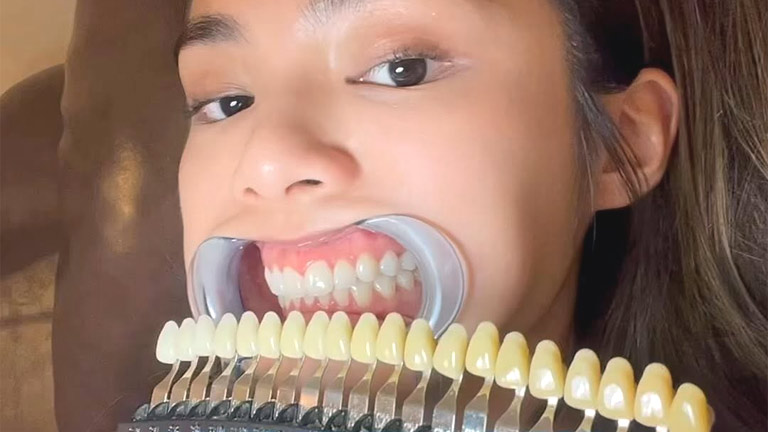
- Teeth whitening. Lifts stains from coffee, tea, or tobacco. It can encourage better brushing and less sugar.
- Bonding. Uses tooth-colored material to fix chips, small cracks, or gaps. It can prevent food from catching in rough spots.
- Veneers. Thin covers that change the shape and color of front teeth. They can correct uneven edges and worn enamel.
- Tooth-colored fillings. Restore decayed teeth in a way that blends with your smile. They support chewing and stop pain.
- Crowns. Cover damaged teeth so you can bite and chew again. They often follow root canal treatment.
- Aligners or braces. Straighten crowded or crooked teeth. They also make cleaning easier and lower the risk of gum disease.
Each of these choices can change how you eat, speak, and interact at home. Strong teeth mean shared meals. Clear speech means better stories, homework help, and job stability. Those outcomes hold a family together.
Comparing Cosmetic Options For Everyday Family Life
| Treatment | Main Purpose | Helps With | Usual Time In Chair |
|---|---|---|---|
| Teeth whitening | Lightening-stained teeth | Confidence in photos, social contact | About 60 to 90 minutes |
| Bonding | Repairing chips and small gaps | Chewing comfort, smoother brushing | About 30 to 60 minutes per tooth |
| Veneers | Reshaping front teeth | Speech clarity, steady smile | Two to three visits |
| Tooth-colored fillings | Restoring decayed teeth | Pain relief, stronger bite | About 30 to 60 minutes |
| Crowns | Covering weak or broken teeth | Chewing tougher foods, long-term strength | Two visits in most cases |
| Aligners or braces | Straightening teeth | Easier cleaning, gum health, jaw comfort | Months to years with short checkups |
How Cosmetic Care Protects Children
Children watch every step you take. When they see you fix a chipped tooth or straighten crowded teeth, they learn that problems have answers. They also learn that dental visits are normal and safe.
Three key ways cosmetic care guards children are:
- It turns fear into routine. A calm parent in the chair lowers a child’s stress.
- It keeps teeth strong for shared meals. That supports growth and focus in school.
- It sparks questions. Those talks build trust and give you chances to correct myths about teeth.
The National Institute of Dental and Craniofacial Research reports that tooth decay is common in children. Cosmetic and restorative work early in life can stop small issues from turning into severe pain, missed school, and costly treatment later.
Building A Family Plan For Cosmetic And Routine Care
You do not need every treatment at once. You do need a clear plan. That plan should include three parts.
- Daily habits at home. Brush twice a day with fluoride toothpaste. Floss once a day. Use simple words with children and show them how long and how gently to brush.
- Regular checkups. Keep visits every six months, or as guided by your dentist. Use those visits to track past cosmetic work and catch new problems early.
- Step-by-step cosmetic choices. Start with the issue that bothers you most. Then set a schedule for other improvements when time and money allow.
Your family dentist in Cave Creek can use simple treatments to close gaps, repair chips, and brighten stained teeth. This is how one choice for your teeth can strengthen the ground under your whole family.
Taking The Next Step For Your Family
You do not need to wait for pain to seek help. If you feel shame when you smile or talk, that is a sign to act. Talk with your dentist about one change you can make this year. Ask how it will affect your health, your comfort, and your children’s view of care.
When you choose cosmetic dentistry with purpose, you are not just changing teeth. You are shaping daily contact, shared meals, and the courage your children carry into school and work. That is the quiet strength at the center of family care.