Every month tells a different story. Your health history, daily habits, and fears all shape what you need from dental implant care. You are not handed a standard plan. Instead, your dentist measures your bone, checks your gums, listens to your goals, and respects your limits. Then your dentist builds a plan that fits you.
You may want to chew without pain. You may want to smile without hiding your teeth. You may fear surgery. Your dentist weighs all of this. Then you see clear options, expected results, and honest timelines.
Personalized implant care does three things. It lowers risk. It protects your remaining teeth. It gives you a result that feels natural in your daily life. You deserve that level of care every single time.
Step 1: Your Story Comes First
Personalized treatment starts with a long talk. Your dentist asks about three things. Your health. Your habits. Your hopes.
- Health. You share past surgeries, heart disease, diabetes, or bone loss. You list current drugs. You talk about allergies.
- Habits. You talk about smoking, teeth grinding, and daily brushing. You share if you clench your jaw when you feel stress.
- Hopes. You say if you want a fixed tooth, a removable option, or a mix. You share what matters most to you, such as cost, speed, or comfort.
This talk guides every choice. It helps your dentist protect you from problems during and after treatment.
Step 2: Careful Exams And Scans
Next, your dentist studies your mouth. This is not a quick look. It is a full review.
- Gum check. Your dentist checks for swelling, bleeding, and loose teeth.
- Bone check. X-rays and 3D scans show bone height, width, and density.
- Bite check. Your dentist checks how your teeth meet when you close your mouth.
Each result shapes your plan. Thin bone may call for a bone graft. An active gum infection may need treatment before any implant. A tight bite may require small changes to prevent the implant from taking too much force.
Step 3: Matching Treatment To Your Health
Your overall health is a key part of your plan. Two people can have the same missing tooth and need very different paths.
| Health Factor | Possible Change In Plan | Reason |
|---|---|---|
| Diabetes | Extra healing time and tighter infection control | Blood sugar can slow healing and raise infection risk |
| Smoking | Strong advice to quit before and after surgery | Nicotine harms blood flow and bone bonding |
| Blood thinners | Coordination with your doctor before surgery | Higher bleeding risk needs a safe plan |
| Osteoporosis drugs | Careful review of drug type and timing | Some drugs affect bone healing |
| Anxiety | Use of calming medicine or staged visits | Lower stress makes care safer and easier |
Your dentist does not judge these factors. Your dentist works with them. That is how treatment stays safe and steady.
Step 4: Choosing The Right Implant Setup
Personalized plans match the number and type of implants to your needs. You and your dentist review choices, such as:
- Single tooth implant to replace one missing tooth.
- An implant bridge to replace several missing teeth in a row.
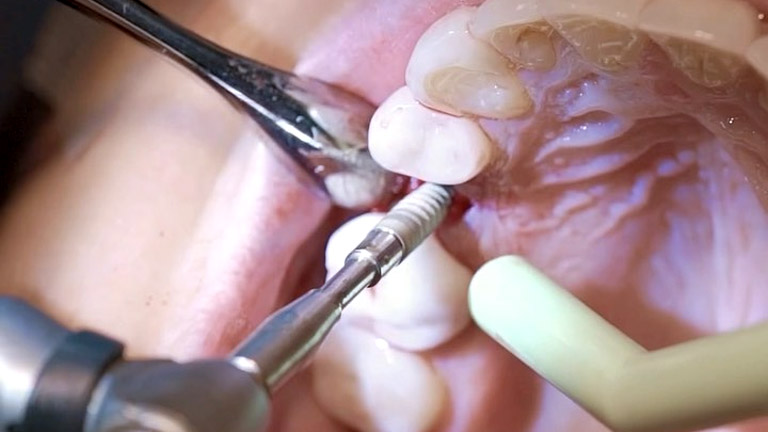
- An implant-supported denture for many or all missing teeth.
Your dentist also chooses implant size and position based on your bone and bite. A narrow jaw may need shorter or thinner implants. A strong bite may need more implants to spread the force.
Step 5: Respecting Your Budget And Time
Money and time shape your plan, too. Your dentist talks openly about both. Together you can:
- Phase treatment over months or years.
- Start with a temporary denture, then add implants later.
- Use fewer implants to support a secure but removable denture.
This keeps care within reach. It also lets you plan around work, school, and family duties.
Step 6: Planning For Comfort And Fear
Many people fear dental work. You might feel shame, panic, or loss of control. A good plan makes space for those feelings.
- Clear steps. Your dentist explains each visit in simple terms.
- Pain control. You agree on numbing, home pain drugs, and what to expect.
- Calming options. You may choose breathing help, medicine by mouth, or care from a specialist for deeper calm.
The goal is not to rush you. The goal is to help you feel safe enough to move forward.
Step 7: Custom Healing And Home Care Plan
After surgery, your mouth needs careful support. Your dentist gives you a plan that fits your health, home life, and skills.
- Cleaning. You learn how to clean around the implant with a brush and special tools.
- Food. You get a clear list of soft foods and when to add firmer foods.
- Work and school. You get guidance on when you can return and what to avoid.
Step 8: Long-Term Checkups That Fit You
| Patient Type | Suggested Visit Frequency | Extra Support |
|---|---|---|
| Healthy non-smoker | Every 6 months | Routine cleanings and X-rays as needed |
| History of gum disease | Every 3 to 4 months | Deep cleanings and closer gum checks |
| Smoker or uncontrolled health issues | Every 3 months | Frequent review of habits and healing |
These visits help your dentist catch small changes before they become painful problems. A dentist in Green Bay, WI studies these details before recommending any step.
How You Can Help Shape Your Own Plan
You have a strong voice in this process. You can support a personalized plan when you:
- Share your full health history and drug list.
- Speak up about fear, money limits, or time limits.
- Ask for choices and clear pros and cons.
- Follow home care and visit schedules as closely as you can.
When you and your dentist work together, implants stop being a cold medical task. They become a careful repair of your chewing, your speech, and your daily comfort.
Closing Thoughts
You are not a set of X-rays. You are a person with a story, a family, and daily pressure. A strong implant plan respects that. It studies your health, your mouth, and your fears. It matches tools and timing to your life. It guards your safety and your trust. That is the standard you deserve from every implant visit.