You brush. You floss. You still need regular dental cleanings. Plaque and hardened tartar cling to teeth in places you cannot reach. Over time, they cause bleeding gums, bad breath, and tooth loss. Cleanings remove this stubborn buildup before it turns into a deep infection. They also let your dentist spot small problems while they are still simple to fix. That means fewer urgent visits and less pain. Regular cleanings also protect your long-term health. Gum disease is linked to heart disease and diabetes. This blog explains four clear reasons regular dental cleanings matter. You will see how they protect your teeth, your gums, and your daily comfort. You deserve a mouth that feels clean, steady, and pain-free.
1. Cleanings Remove Hidden Buildup Your Brush Misses
Even strong brushing leaves plaque in tight spots. That soft film hardens into tartar that sticks to teeth like cement. You cannot remove tartar at home. Only professional tools can scrape it away in a safe way.
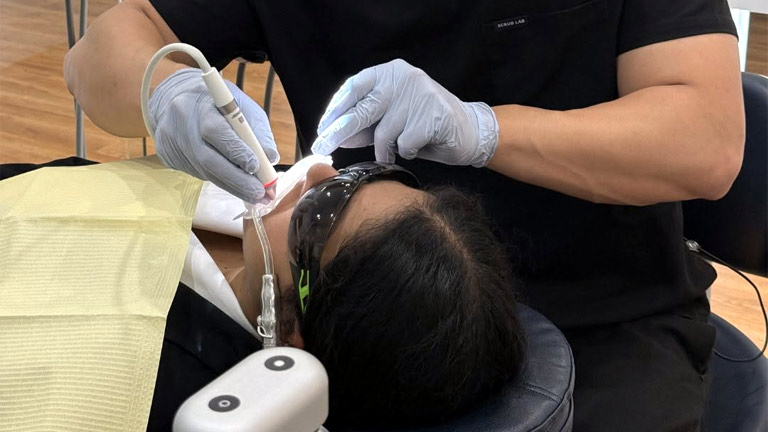
During a cleaning, the hygienist:
- Scales away tartar from teeth and along the gumline
- Polishes teeth to smooth rough spots where plaque clings
- Rinses away loosened debris so your mouth feels clean
This deep cleaning slows tooth decay. It also cuts the germs that cause bad breath. The Centers for Disease Control and Prevention explains that almost half of adults have some form of gum disease that often starts with plaque and tartar.
2. Cleanings Help Prevent Gum Disease And Tooth Loss
When tartar creeps under your gums, the tissue swells and bleeds. That early stage is gingivitis. At this point, cleanings and steady home care can still reverse the damage. If you wait, the infection moves deeper and eats away at the bone that holds your teeth.
This stage is periodontitis. At that point, you face:
- Loose teeth
- Receding gums
- Possible tooth loss
Regular cleanings interrupt this cycle. Each visit clears out the germs that attack your gums. Your dentist can also measure gum pockets and watch for changes. Early steps feel simple. Late steps often need surgery or extractions that drain your energy and your savings.
The National Institute of Dental and Craniofacial Research explains that gum disease is a leading cause of tooth loss in adults.
3. Cleanings Protect Your Whole Body Health
Your mouth connects to the rest of your body. Gum infection does not stay put. The germs and swelling spread through your bloodstream. Over time, this strain links to heart disease and poor control of blood sugar.
Regular cleanings remove many of the germs that stir up this hidden stress. Your dentist and hygienist also watch for signs that point to other health problems. They might see dry mouth from some medicines or sores that do not heal. They might see signs of grinding from stress or sleep issues.
Three ways cleanings support your general health include:
- Lower levels of mouth germs that enter the blood
- Earlier spotting of warning signs, such as sores or loose teeth
- Support for eating a full range of foods that keep you strong
Healthy teeth let you chew fruits, vegetables, and lean proteins. That steady diet helps your heart, your weight, and your energy level. Poor teeth often push people toward soft, processed food that harms long-term health.
4. Cleanings Save Money And Protect Restorations
Skipping cleanings might feel like a way to save time and money. In truth, it often sets you up for larger bills. A small cavity caught during a cleaning visit might need a simple filling. The same cavity ignored might need a root canal and crown.
Cleanings also protect work you already paid for. That includes fillings, crowns, bridges, and implants. Tartar that builds up around these spots can lead to failure of the work and a new infection in the bone.
| Type Of Care | With Regular Cleanings | Without Regular Cleanings |
|---|---|---|
| Routine checkups and cleanings | Lower total cost | No routine cost |
| Fillings | A few small fillings | More and larger fillings |
| Root canals and crowns | Sometimes needed | Often needed |
| Extractions and tooth loss | Lower risk | Higher risk |
| Implants or dentures | Less likely in the near term | More likely and more costly |
How Often You Should Schedule A Cleaning
Many people need a cleaning every six months. Some need one every three or four months. Your dentist will base this on your gum health, medical history, and daily habits.
In general, you should keep closer visits if you:
- Smoke or use tobacco
- Have diabetes or heart disease
- Have a history of gum disease
Strong daily home care supports these visits. You should brush twice a day with fluoride toothpaste. You should clean between your teeth every day with floss or another tool your dentist suggests. Strong teeth also support treatments like crowns and dental implants in Springfield.
Take Your Next Step Today
If it has been more than six months since your last cleaning, call your dentist. Explain how long it has been. Ask for a full checkup and cleaning. Bring a list of medicines and any questions.
You do not need a perfect history to start again. You only need the choice to protect your mouth now. Regular cleanings give you steady control, fewer surprises, and a calmer future for your teeth and gums.