You may feel uneasy when you hear the word implant. You are not alone. Tooth loss can shake your sense of control and dignity. You still deserve to eat, speak, and smile without fear. This blog explains four implant options that give you real choices. Each option fits a different mouth, budget, and health need. You will see how several implants can anchor bridges or full dentures. You will learn what each option demands from your bone, gums, time, and wallet. You will see clear pros and cons. You will gain questions to ask your dentist so you do not feel rushed or pushed. You can protect your health and your pride by knowing your options before you say yes to surgery.
1. Single Tooth Implants
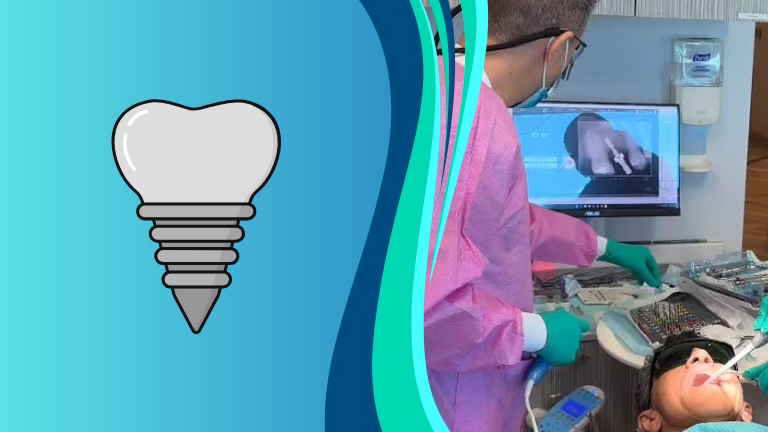
This option replaces one missing tooth at a time. A small screw goes into the jawbone. A connector and a crown go on top. The crown works and looks like a tooth.
Choose this option if you
- Lost one tooth or a few teeth in different spots
- Have healthy nearby teeth that you do not want trimmed for a bridge
- Have enough bone in that spot, or can receive bone grafting
Benefits include
- Protects nearby teeth from grinding or cutting
- Makes chewing and speaking easier
- Helps keep the bone from shrinking in that spot
Risks include implant failure, infection, or nerve injury. These are rare when you choose a trained surgeon. You can read more about implant safety from the U.S. Food and Drug Administration.
2. Implant-Supported Bridges
This option replaces several missing teeth in a row. Instead of one implant for each tooth, the bridge rests on two or more implants.
Choose this option if you
- Have three or more missing teeth side by side
- Want fewer implants placed
- Have enough bone at the spots where implants can go
Benefits include
- Fewer implants than replacing each tooth alone
- No need to trim healthy teeth for a traditional bridge
- Better chewing than a removable partial denture
Risks include cleaning trouble under the bridge and higher stress on each implant. You must clean with floss threaders or small brushes. You need regular checks and X-rays to watch the bone.
3. Implant-Supported Dentures
This option helps when all or most teeth on one jaw are gone. Several implants hold a full denture in place. The denture can snap on and off or be fixed in place by screws.
There are two common types.
- Removable overdenture. The denture snaps onto attachments on 2 to 4 implants on the lower jaw or 4 or more on the upper jaw.
- Fixed a full arch bridge. A solid bridge screws onto 4 to 6 implants and stays in place.
Choose this option if you
- Already wear dentures and hate loose fit or sore gums
- Want strong chewing for most foods
- Can clean around implants each day
Benefits include
- Less slipping and no messy denture glue
- Better taste and speech since plates can be slimmer
- More jaw support and a fuller face shape
Risks include higher cost than regular dentures and the need for strict cleaning. You may need extra surgery if the bone is thin. The National Institute of Dental and Craniofacial Research explains tooth loss and treatment choices.
4. Mini Implants
Mini implants are smaller in width than standard implants. They often support lower dentures or fit in narrow bone where regular implants will not fit.
Choose this option if you
- Have a narrow jawbone and do not want bone grafting
- Wear a loose lower denture that floats
- Need a lower cost path to better chewing
Benefits include
- A smaller size that can fit weak or thin bone
- Shorter surgery time
- Often, there is less healing time before use
Risks include lower strength than full-size implants and a higher chance of bending or breaking in hard use. These may work best for denture support, not for single back teeth that take heavy bite force.
Comparison of Implant Options
|
Option |
Best For |
Number of Implants |
Removable or Fixed |
Cleaning Needs |
Relative Cost
|
|
Single Tooth Implant |
One missing tooth |
1 per tooth |
Fixed |
Brush and floss like a tooth |
High per tooth |
|
Implant-Supported Bridge |
Several teeth in a row are gone |
2 to 4 for many teeth |
Fixed |
Brush and thread floss under the bridge |
High total, lower per tooth |
|
Implant-Supported Denture |
Most or all teeth are gone on one jaw |
2 to 6 per jaw |
Removable or fixed |
Clean dentures and implants each day |
Ranges from medium to very high |
|
Mini Implants |
Thin bone or loose dentures |
Several small posts |
Often removable denture |
Clean around each post and denture |
Lower than full-size implants |
Questions to Ask Before You Decide
Before you choose, bring written questions to your visit. You can ask your dentist or surgeon
- Which of these four options fits my mouth and my health
- How many implants do I need, and why that number
- What are all the costs, including visits, X-rays, and parts
- How long will treatment take from start to finish
- What pain or swelling should I expect after surgery
- How long should each option last with good care
You can also ask about the training of the surgeon, the brands used, and what happens if an implant fails.
How To Protect Your New Implants
Once you receive implants, you must treat them like a precious joint. You should
- Brush twice a day with a soft brush and low foam toothpaste
- Clean between teeth with floss, small brushes, or water flossers
- Stop smoking since it harms blood flow and healing
- Control blood sugar if you live with diabetes
- Wear a night guard if you grind your teeth
- See your dentist at least twice a year for checks and cleanings
These steps lower the risk of gum infection around implants. They also help protect the bone that holds them.
Tooth loss can feel like a loss of control. You will see how a single Fresno dental implant can replace one tooth. These four implant options give you a path back. You now know the core choices, the tradeoffs, and the questions that matter. You can sit in the dental chair with a steadier voice and a clear plan. You deserve strong food, clear speech, and a smile that feels like your own again.