Everyone owns that one T-shirt. The logo looked sharp when it arrived. After a handful of washes, it started to crack, peel, and fade. Eventually, it belonged in the decorating bin. If you have ever ordered clothing for your team, club, or business, you may have felt let down by the result. The problem was almost certainly decided before the first garment was printed.
Good printed clothes come from three decisions made in the right order: the print method, the blank garment, and the artwork. Get all three right, and your hoodie or polo will look respectable for years. Get one wrong, and no amount of careful washing will rescue it. So how to choose the best printed clothing that lasts for years?
The Print Method Decides How Your Design Ages
Different methods suit different jobs, and no single one is best for everything. Screen printing pushes ink into the fabric. It remains the usual choice for larger runs with bold, solid colours. Direct-to-garment printing works like an office printer for cloth. This makes it ideal for small orders and designs with fine detail or lots of colours. Heat transfers sit somewhere in between and handle awkward items well. Embroidery is a different animal altogether. It stitches your design into the garment and gives it a lasting, professional look on polos, caps, and workwear.
Ask which method is being proposed and why. A printer who can explain the choice in plain English has usually thought about your order rather than simply fitting it into whichever machine is free.
The Blank Garment Matters More Than People Admit
Here is something printers know and customers often overlook. A brilliant print on a thin, cheap blank still ends up as a thin, cheap shirt. Fabric weight, cotton quality, seam stitching, and how well your garment holds its shape after washing all affect how your order is judged. Nobody remembers your lovely logo if the collar has gone wavy.
Think about who will wear your items and how they will use them. Kitchen staff, builders, and volunteers at a charity run need something that copes with heat, sweat, and frequent washing. A staff uniform for a boutique needs to look sharp for years. Matching your blank garment to the job is where most of the value sits.
Artwork Problems Are Easy to Prevent
A blurry logo pulled from a website will print as a blurry logo, only larger and more embarrassing. Where possible, supply your artwork as a vector file. This can be scaled to any size without losing sharpness. If you only have a low-resolution image, a decent printer will tell you honestly and offer to redraw it. That conversation, however awkward, is far better than discovering the problem on three hundred finished shirts.
Colours deserve a mention too. What you see on your screen rarely matches what comes off a press exactly. So, if your brand has a specific shade, mention it early and ask how closely it can be matched.
Sizes, Quantities, and the Mistakes Nobody Mentions
Ordering for a group is rarely as simple as it looks. Collect everyone’s sizes properly rather than guessing. Reordering a handful of garments later is almost always more expensive than getting them right the first time. If you are ordering for your business, add a small buffer for new starters or last-minute changes.
Check, too, how many placements you want. A left chest logo and a larger back print cost more than a single small design. However, for event wear and uniforms, the back print is often what people actually see.
How to Wash Your Printed Clothes So They Last
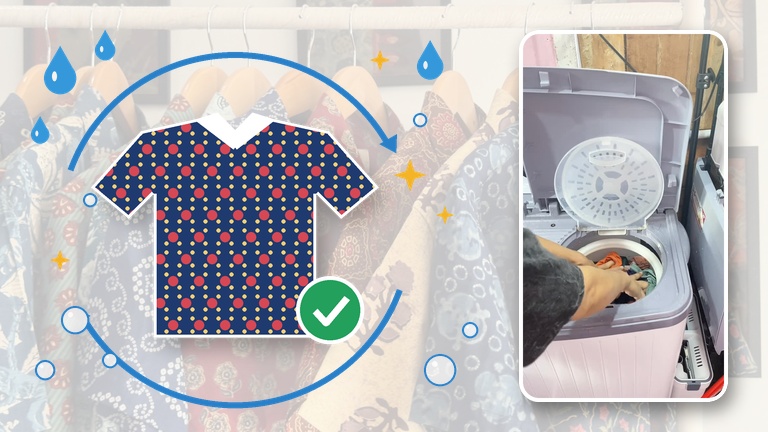
Turn your garments inside out, wash them at a moderate temperature, and avoid fabric softener on printed areas. Skip the tumble dryer where you can, because high heat is the quiet enemy of any print. These habits cost you nothing and can double the life of your design.
A Good Print Should Outlast the Event It Was Made For
Printed clothes are one of those purchases where the cheapest option rarely stays cheap. The right method, a solid blank, and clean artwork produce garments you will be happy to keep wearing long after the launch day, the tournament, or your first week at a new job. That is the real measure of whether your order was worth placing.