Regular visits to a general dentist do more than fix problems. They call you to own your daily care. Each checkup shines a light on your habits at home. You see where brushing slips, where flossing stops, and where small choices grow into pain and cost. That clear feedback can sting. It also gives you power. You understand what is happening in your mouth and what you can change today. General dentistry sets a steady rhythm. You come in, get honest results, and leave with simple steps. Over time, that routine builds discipline. You start to brush with purpose. You start to floss with focus. You start to see your mouth as your responsibility, not just your dentist’s job.
Checkups Turn Guesswork Into Clear Facts
At home, it is easy to guess that your teeth are fine. If nothing hurts, you assume all is well. Routine exams remove that guesswork. Your dentist measures what you cannot see. You hear clear words about plaque, gum health, and early decay. You see X-rays that show hidden trouble. That proof is hard to ignore.
Each visit gives you three things. You get a report on the current state of your mouth. You get a record that tracks change over time. You get a plan that fits your daily life. This process turns care from a vague good idea into a shared project with clear markers.
For example, the Centers for Disease Control and Prevention explains that untreated cavities and gum disease often grow without pain at first. Regular exams catch these early. Early news puts you in control. You can act before the damage grows. That is accountability. You know the facts, and you choose your next step.
Cleanings Show Where At-Home Care Falls Short
Professional cleanings do more than polish your teeth. They show the results of your daily choices. When the hygienist scrapes tartar from the back teeth, you see the spots you miss. When your gums bleed in some places, you learn where your flossing is weak.
This clear cause and effect builds personal responsibility. You see three simple truths. Your brush and floss reach some places and skip others. Plaque hardens where you skip. That hardened plaque leads to gum trouble and decay. Once you see this pattern, it is hard to keep the same habits.
During cleaning, you also feel the difference. Smooth teeth feel clean. Rough spots feel risky. That feeling stays with you at home. It pushes you to brush longer in those rough spots. It reminds you to slow down at night instead of rushing to bed.
Personal Advice Makes Home Routines Realistic
Many people know they should brush and floss. The struggle comes with how and when. General dentistry visits turn vague rules into steps that fit your mouth and your day.
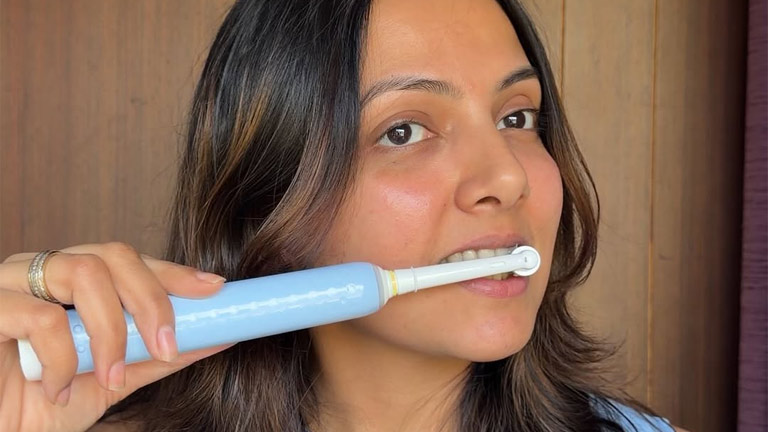
Your dentist and hygienist can do three key things for you. They can show you brushing on your own teeth, not on a chart. They can guide you toward tools that match your hands and your mouth, like smaller heads or soft bristles. They can help you set simple goals, such as brushing for two minutes twice a day and flossing once each night.
Guidance from trusted sources backs this up. The American Dental Association advises brushing with fluoride toothpaste two times each day and cleaning between teeth once each day. When your dentist repeats this in the chair and shows you the right motion, it stops being a slogan. It becomes your daily plan.
How Routine Visits Change At Home Habits
Over time, routine visits and honest feedback shape your daily care. The pattern is simple. You receive news. You adjust at home. You return and see the results. That cycle builds trust in your own effort.
The table below shows how regular general dentistry visits support accountability at home compared with skipping care.
| Habit | With Routine General Dentistry | Without Routine General Dentistry |
|---|---|---|
| Awareness of problem spots | You know which teeth and gums need focus | You guess and often miss hidden trouble |
| Brushing quality | Improves after feedback on technique | Stays the same even if it does not work well |
| Flossing routine | Becomes steady as bleeding and plaque decrease | Feels optional since you do not see progress |
| Cost over time | More cleanings and small fixes | More urgent visits and large repairs |
| Sense of control | You feel responsible and prepared | You feel surprised and guilty when pain starts |
Supporting Children And Older Adults At Home
General dentistry also guides families who care for children and older adults. Young children often copy what they see. Regular visits give parents clear steps. You can learn how to brush a child’s teeth, when to start flossing, and how to talk about sugar and snacks. Short, calm talks during visits can prevent fear and build trust.
Older adults face other challenges. Dry mouth, medicine use, and weaker hands can make daily care hard. General dentists can suggest simple tools such as larger brush handles, fluoride rinses, and shorter routines that still protect teeth. You can then support your parent or partner with a plan that respects their limits and keeps their dignity.
Using Each Visit To Strengthen Your Commitment
Every checkup is a chance to reset your home care. You can ask three direct questions. What is the single biggest risk in my mouth right now? What one habit at home would help mitigate that risk the most? How will we measure change at my next visit?
When you leave with one main focus, you are more likely to follow through. You can post a note by the bathroom sink. You can set a timer on your phone. You can tell a family member your goal and ask them to remind you. These small acts turn good intent into steady behavior.
Even choices like whitening or dental veneers in Wichita Falls only last when you protect them at home. General dentistry does not replace your effort. It sharpens it. Each visit holds up a mirror. You see the link between your choices and your health. That clear link can feel heavy. It also gives you control. With each honest report and each small change at home, you prove to yourself that your daily care matters and that you are up to the task.