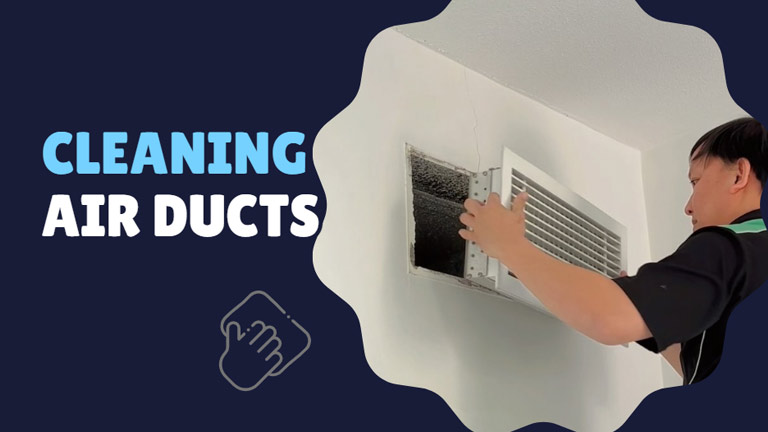
Keeping your HVAC system clean is not just about it looking clean and fresh-smelling air, but it is also about protecting efficiency, airflow, and your home’s overall health. When the HVAC system runs, dust, allergens, pet dander, and debris settle inside the ductwork. Over time, those particles get pushed right back into the rooms you breathe in every day. Regular air duct cleaning helps your HVAC system move air as it should. It reduces buildup before it becomes a problem, and keeps your home’s air cleaner and easier to live in.
HVAC Cleaning Duct Basics and Why It Matters
Air ducts are the hidden highways of your home’s HVAC system. Every time your heating or cooling passes through a duct, the duct carries conditioned air from the system into each room. Over time, dust, pet dander, construction debris, pollen, and even mold spores can settle inside. They get pushed back into your living space because ducts circulate the same air repeatedly. Only the regular air duct cleaning can help keep that buildup under control. So your system runs more efficiently, and you are not breathing in recycled dust every day.
Air ducts are like the bloodstream of your home. They carry the same air through every room, every day. Just like cholesterol can clog arteries, in the same way, dust, lint, and microbial buildup can choke your ducts. When that happens, the system can’t “breathe” properly, which means it wastes energy and becomes less efficient. HVAC cleaning duct isn’t just about appearances, but also it is preventative maintenance that keeps the entire system healthy.
How Often Should You Clean Your Air Ducts
Most homes need a professional cleaning every 3-5 years, but that’s just a baseline. Some households can go longer without issues, while others need it more often, depending on lifestyle and environment. So inspect it every 3 months. Major renovations, shedding pets, or living in a high-pollen or dusty area can all shorten that timeline.
It is also like oil changes for your car. The more stress you put on the system, the sooner it needs service. A family with pets and kids who track in pollen may need annual service, while a couple in a dust-free condo might go a decade without issues.
Signs You Need Air Conditioner Duct Cleaning
Some red flags include visible dust puffs coming out of vents. When the system kicks on, musty or stale odors that persist even after cleaning carpets or furniture, and uneven airflow or hot/cold spots that suggest restricted ducts. You may see unexplained allergy flare-ups indoors. Even when pollen counts are low outside, and excess dust settling on furniture just days after cleaning is also a warning sign. If you notice two or more of these, it is time to schedule an inspection and consider air conditioner duct cleaning.
Other often-overlooked clues include sudden spikes in your energy bill, burning or musty smells the moment the HVAC starts, and noise changes like whistling or rattling that can mean ducts are obstructed by debris.
What Affects HVAC Vent Cleaning Frequency
Pets, smoking indoors, and post-renovation dust all speed up the buildup. Sensitive households with allergies or asthma benefit from more frequent cleaning. Your location also plays an important role, too. Dusty rural areas, polluted cities, or humid climates that invite mold all shorten the interval. A system running year-round collects debris more quickly than one used seasonally, and lifestyle factors, like multiple pets, daily candle use, or heavy cooking, all can double the rate of buildup. Your older homes are more prone to hidden dust, while newer systems with advanced air filtration or UV purifiers can go much longer between cleanings. That’s why watching your HVAC vent cleaning needs matters more than sticking to a rigid schedule.
How to Clean Air Ducts with DIY vs Professional AC Duct Cleaning
DIY cleaning means removing vent covers, vacuuming what you can reach, and wiping grilles. It helps with surface dust but doesn’t address deep buildup, like washing the outside of your car while the engine still needs servicing. That’s why DIY is only a stopgap for air duct cleaning frequency.
You can also go with professional cleaning that is performed by certified technicians. They use high-powered, negative-pressure vacuums and rotary brushes to pull debris from the entire duct network. They also check for leaks, mold, or insulation damage and can sanitize or seal as needed.
Risks of Skipping Air Duct Cleaning Frequency
When you ignore or skip air duct cleaning, dust, allergens, and mold circulate back into the rooms you breathe every day. That buildup also forces your HVAC to work harder, driving up energy bills and putting extra wear on the furnace, blower, or AC. Over time, neglected ducts don’t usually cause an immediate “crisis,” but they chip away at comfort, efficiency, and health, especially when mold or bacteria worsen asthma, trigger allergies, or cause respiratory irritation.
Lint, pet hair, or construction debris near heating coils can pose a fire hazard. Rodents and insects may move in, leaving droppings behind. And long-term exposure to mold spores or VOCs in ducts can lead to fatigue, headaches, or brain fog, often described as “sick building syndrome.” So don’t skip duct cleaning.
Benefits of Regular HVAC Cleaning Duct Care
Regular HVAC cleaning and duct care offer many benefits, including improved energy efficiency and air quality, odor-free air, extended system lifespan and efficiency, stopping mold and hazardous growth, and reducing allergens and energy bills. This regular maintenance is a wise investment in your home’s overall health and comfort.
Most HVAC duct-cleaning experts recommend cleaning every 3 to 5 years. However, the frequency also depends on factors such as the presence of pets, allergies, the environment around the home, and any recent home renovations. Regular HVAC maintenance should include changing filters every one to three months and scheduling routine inspections.