Your smile depends on precise work. Even small mistakes in dental restorations can lead to pain, broken teeth, or more treatment later. Today, technology gives your dentist sharper tools that protect you from those problems. Digital scanners replace messy impressions. Computer design helps shape crowns that fit your bite. 3D printers create restorations that match your natural teeth. Each step cuts guesswork and reduces human error. A dentist in East Patchogue, NY can now see tiny details that older methods often missed. That means fewer adjustments, fewer return visits, and stronger results. You spend less time in the chair. You also gain more trust in the care you receive. This blog explains how these tools work, what you can expect during a visit, and how technology supports safer, more accurate treatment for you.
Why Accuracy In Dental Restorations Matters To You
A crown, bridge, or filling should feel like a natural part of your mouth. When a restoration is off by even a small amount, you may notice:
- Jaw soreness or headaches from an uneven bite
- Sensitivity when you chew or drink
- Chips, cracks, or wear on nearby teeth
Precise work lowers the chance of these problems. It also protects the tooth under the restoration. That tooth already went through decay or injury. It cannot afford more stress.
The National Institute of Dental and Craniofacial Research explains that fit and bite contact affect how long a restoration lasts and how well you can chew.
From Impressions To Digital Scans
In the past, dentists used trays filled with thick material to copy your teeth. That process often caused gagging. It also sometimes missed fine details. Air bubbles or movement could ruin the mold. Then the whole visit had to be repeated.
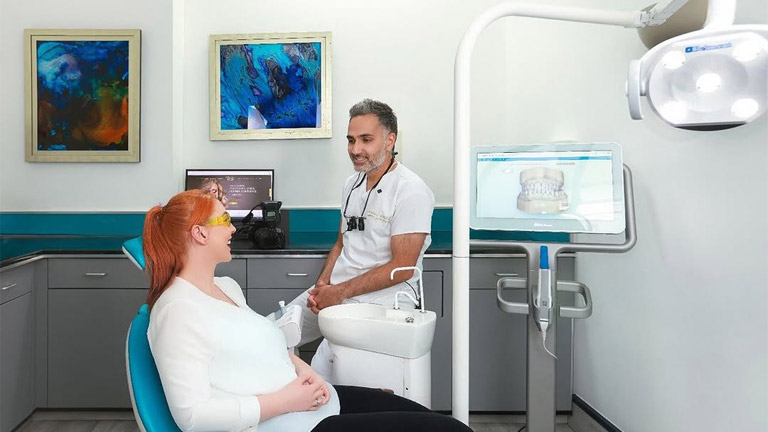
Now, many offices use intraoral scanners. These small cameras take clear images of every surface of each tooth. The scanner builds a 3D model of your mouth on a screen in real time.
This helps you because:
- The scan is quicker and more comfortable
- The digital model can be checked and corrected on the spot
- The file can be sent straight to the lab with no shipping delays
The result is a more accurate copy of your teeth. That gives any crown or bridge a stronger starting point.
How Computer Design Shapes A Better Fit
After the scan, software called computer-aided design creates a custom plan for your restoration. The program shows your tooth from all sides. It also shows how it meets the teeth above or below.
The dentist can adjust:
- The shape of the biting surface
- The thickness of the material
- The way the edges meet the natural tooth
This careful planning reduces high spots that cause bite problems. It also lowers the chance that food or bacteria can slip under the edge. That protects the tooth and the gum around it.
3D Printing And Milling For Exact Results
Once the design is ready, machines create the physical crown, bridge, or guide. Some offices mill the piece from a solid block of ceramic. Others use 3D printers to build it layer by layer.
These systems follow the digital plan with precise steps. That means the restoration matches the design. So the fit in your mouth matches what you saw on the screen.
Research has shown that digital crowns often fit better than those made with older methods.
Data That Show The Difference
| Restoration step | Traditional method | Digital method |
|---|---|---|
| Impression accuracy | Higher risk of bubbles and pulling | Lower distortion and smoother detail |
| Average remake rate | More frequent lab remakes | Fewer remakes and adjustments |
| Chair time for crown | Two or more visits | Often completed in one visit |
| Fit at crown margins | Wider gaps between tooth and crown edge | Narrower gaps and tighter seal |
Better fit and fewer remakes mean less drilling, less numbing, and less time away from work or school.
What You Can Expect During A Tech-Guided Visit
When you need a crown or similar work, a modern visit usually follows three clear steps.
First, the dentist prepares the tooth and scans your mouth. You watch the image of your teeth grow on a screen. The scan takes minutes.
Next, the design phase begins. The dentist shapes your new tooth on the computer. You can often see how the new crown will look against your other teeth.
Finally, the office makes the restoration. Some offices print or mill it while you wait. Others send the file to a lab. In both cases, the lab receives clear digital instructions, not a fragile mold.
Benefits For Children And Older Adults
Technology helps people at every age, though it can be especially helpful for children and older adults.
- Children often fear messy impressions. Quick scans reduce fear and gagging.
- Older adults may have dry mouths or a strong gag reflex. Digital tools shorten time in the chair.
- People with limited mobility or health issues face fewer repeat visits.
These changes protect comfort and dignity during care.
Questions To Ask Your Dentist
You have a right to understand the tools used in your mouth. Before a restoration, you can ask:
- Do you use digital scans instead of traditional molds?
- Will my crown or bridge be designed with computer software?
- Do you make restorations in the office or use a lab?
- How do you check that the crown fits before you cement it?
Clear answers help you feel safer and more prepared.
Using Technology To Protect Your Smile
Dental technology does not replace the skill of your dentist. It strengthens that skill. Your dentist still chooses the right treatment. The tools help carry out that plan with greater accuracy.
When you choose a practice that uses current systems, you gain three main benefits. You get a restoration that fits better. You spend less time in the chair. You face fewer surprises later.
That level of care protects your teeth, your comfort, and your peace of mind every time you smile.