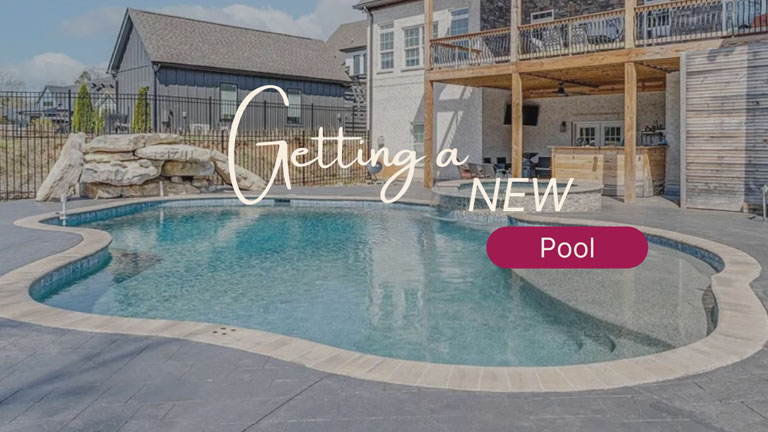
Having a pool at home is a good choice. It inspires many people because it offers a private oasis for relaxation, exercise, and entertainment. While it is true that thousands of homes come with pools. Those who are considering adding a pool for the first time should be very careful and well. This article will provide information to make the correct decisions and avoid several common and costly mistakes.
Let’s take a look at what you need to think about before you go ahead and start the work.
Budget
Pool installations can run from the tens of thousands to the hundreds of thousands. You need to have a budget in mind prior to the work starting. So you know exactly what to expect and what you can avoid. An in-ground pool is more expensive than an above-ground pool, but you can add decking, for example, to make it feel like it’s built in. Pools with complex designs again will cost more, and the material your pool is constructed of will impact cost, too. It is important to understand all the variables that impact the cost.
Permits
Your pool contractor should be aware of any permits you might need and regulations. You need to adhere to the procedure before starting the work, so you have ticked all the boxes. However, if you are going it alone, then you need to make sure you know exactly what you need to know before work starts. Be it local regulations, HOA rules, or anything else about the installation of a pool in residential property.
Care and Upkeep
Pools need a little bit more than simply clearing debris from them. You need to understand how to effectively care for the pool to avoid making anyone who uses it ill. From removing anything that should not be in the water to balancing pH levels and knowing when to identify signs of algae. It is a little complex but essential. You can use a regular pool cleaning service to help you out with this, but you should also know this for yourself and be confident you can keep up with what needs doing to ensure you can cope alone if you need to.
Safety and Security
Pools in residential settings can pose massive safety risks for everyone using them and the area around them. Children can and do drown in pools every single year, as do pets, too.
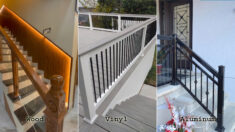
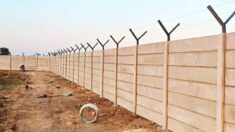
When designing your perfect pool, make sure you address any access and safety aspects to keep everyone safe. From pool security fencing, alarms on doors to alert you of people going to the pool area, and using covers that restrict access. All required to keep everyone safe at all times, and of course, having aids to help people struggling in the pool is a good idea too, just in case something does go wrong.
Location
The location of your pool is really important. You want a pool in an area that receives proper sunlight exposure, is accessible, does not infringe on neighbors’ privacy, and is installed in suitable terrain. Not all terrain can accommodate in-ground or even above-ground pools. If you have a significant slope or a body of water at the end of your property, close to where you want the pool situated. You need to think carefully about the location so you can be confident it’s going in the right place.