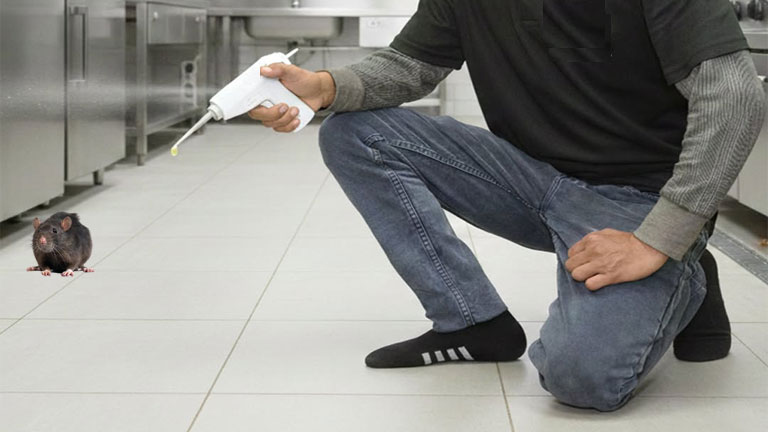
Rodent activity inside commercial properties is more than an inconvenience. It is a direct threat to safety, operations, and brand reputation. When rodents damage wiring, contaminate stock, or show up in a customer photo, the financial fallout can be immediate and severe. That is why partnering with specialist pest control technicians is not just a maintenance choice, but a critical business risk decision. They understand how rodents move, nest, and multiply inside complex buildings and high-traffic facilities.
Entry vector mapping across loading zones and utility lines
Rodents rarely walk through the front door; they exploit loading zones, dock doors, conduits, and utility lines to slip inside unnoticed. In commercial sites, these entry points change constantly with deliveries, contractors, and seasonal shifts. This targeted approach is far more effective than generic baiting or occasional inspections. It gives you a clear, defensible strategy to protect stock, staff, and visitors.
How expert entry mapping protects your site
- Detailed inspection of loading docks, roll-up doors, curtain gaps, and dock leveler pits.
- Tracing rodent travel paths along utility lines, cable trays, and pipe penetrations.
- Identifying structural gaps around door frames, weather seals, and thresholds.
- Prioritizing high-risk access points based on activity, droppings, and gnaw marks.
- Documented recommendations so facilities, safety, and operations teams can act fast.
Structural damage progression caused by unchecked rodent activity
Rodents quietly chew through insulation, wiring, and structural components long before you see a live animal. Left unchecked, small gnaw marks can escalate into electrical fires, equipment failure, and expensive shutdowns. Pest control technicians understand this progression and know where damage typically starts in commercial systems. Their rodent pest control services focus on early detection, not just visible infestations. This gives you time to act before hidden damage becomes a regulatory issue or insurance claim.
Why ongoing inspections beat one-time treatments
- Scheduled structural checks around electrical rooms, server spaces, and plant equipment.
- Monitoring of cabling, insulation, and wall voids for early chewing and nesting signs.
- Documentation that supports insurance, safety audits, and compliance reports.
- Recommendations that align with maintenance schedules to reduce downtime.
- Trend analysis to show whether risk is increasing, stable, or under control.
Contamination exposure risks affecting food and storage areas
In food service, healthcare, logistics, or retail, rodent contamination is a direct threat to customer safety and regulatory compliance. Droppings, urine, and hair can quickly compromise pallets, packaged goods, and high-value ingredients. Their rodent pest control services are designed to protect both your product integrity and your reputation. That protection is critical as health inspections become stricter and customers less forgiving.
Key contamination risks controlled by professionals
- Rodent droppings and urine on pallets, shelves, and food-contact surfaces.
- Cross-contamination through handling equipment, lifts, and dock areas.
- Hidden nesting in racking, voids, and under static or obsolete inventory.
- Risk of failed audits from health departments, third-party auditors, or brand partners.
- Product loss, recalls, and write-offs from suspected or confirmed contamination.
Exclusion integrity as the foundation of long-term control
Traps and bait stations help, but they cannot secure a property if rodents can enter freely every night. Long-term control starts with exclusion integrity: sealing, screening, reinforcing, and maintaining every realistic access route. Their recommendations translate directly into measurable risk reduction for facilities and operations managers. With proper exclusion, your ongoing rodent pest control services become more efficient and less disruptive.
What strong exclusion looks like in practice
- Professional sealing of wall penetrations, pipe chases, and cable routes
- Reinforced door sweeps, dock seals, and weather stripping at all ground-level doors
- Rodent-proof screening on vents, louvers, and intake openings
- Protection of vulnerable building edges, foundation gaps, and roofline access points
- Clear repair priorities so you can budget and schedule work intelligently
Sanitation enforcement adapting to heightened health expectations
Health expectations are rising, with standards pushing commercial properties to prove control, not just claim it. Sanitation is now audited more closely, and rodents exploit any lapse in waste handling, cleaning, or storage discipline. Pest control technicians help you align daily sanitation practices with modern compliance standards, closing the loop between cleaning, maintenance, and pest prevention. Their rodent pest control services include coaching, reporting, and practical guidance that your team can actually follow. This partnership keeps your property inspection-ready and your brand ahead of new regulations.
How technicians support stronger sanitation outcomes
- Clear, visual feedback on hotspots: compactors, dumpsters, break rooms, and prep areas
- Waste management recommendations to reduce food availability for rodents
- Alignment of cleaning schedules with high-risk zones and rodent behavior patterns
- Record-keeping that supports HACCP, GFSI, and internal quality standards
- Staff education that turns sanitation from a task into a protective control
When rodent risks threaten your building, your products, and your brand image, you need more than basic pest control. If you are responsible for a facility, warehouse, or multi-site portfolio, now is the time to strengthen your protection strategy. Reach out to schedule a commercial assessment, review your current vulnerabilities, and put a focused rodent pest control plan in place before the next inspection or incident forces your hand.