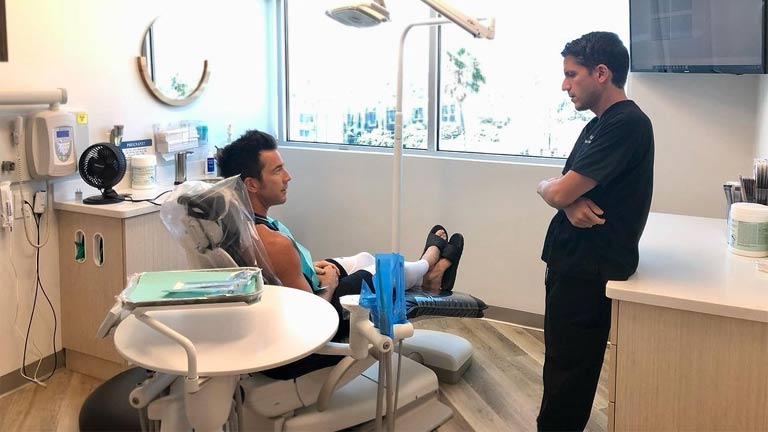
You are not alone if the thought of a dental visit makes your chest feel tight. Many people carry old memories of pain, shame, or feeling rushed in the chair. Trust does not grow in that kind of setting. It grows when your dentist listens, explains each step, and gives you real control. A caring Attleborough dentist understands that fear is not weakness. It is a normal response to past hurt. This blog shows three clear ways general dentists calm that fear and earn your trust. You will see how simple changes in words, timing, and touch can steady your breathing and quiet your thoughts. You will also learn what you can ask for before a visit, during treatment, and afterward. With the right support, you can sit in the chair without dread. You can protect your teeth without feeling trapped.
1. Clear Communication Before Any Tool Touches Your Mouth
Fear grows in silence. It shrinks when you know what will happen and why it matters. A good general dentist speaks in plain words and gives you space to respond.
Before treatment, you can expect the dentist and team to:
- Ask about your past dental experiences and what scares you most
- Explain each step of the visit in simple terms
- Describe what you might feel, hear, or taste
- Check that you understand before moving on
This kind of talk is not small. It changes how your brain reads the visit. Unknown sounds and tools become known. That lowers fear.
You can support this process by speaking up. You can say:
- “I get scared when I do not know what is coming next.”
- “Please tell me before you touch my tooth.”
- “I need time to breathe if I feel overwhelmed.”
The National Institute of Dental and Craniofacial Research explains that clear information and honest talk help people manage dental fear and pain.
2. Shared Control During Treatment
Many people fear the loss of control more than the drill. A trusted dentist gives that control back to you in simple ways. Small choices can change the whole visit.
Common methods include:
- Agreeing on a hand signal to stop or pause
- Letting you sit up and rest when you need to
- Letting you choose music or a show as a distraction
- Using numbing medicine with care and checking that it works
You and the dentist can plan your visit in steps. Each step has a clear start and end. That way, you see progress. You also know there is a break coming. Your body can relax between steps.
| Common fear | What you might expect at a rushed visit | What a trust-focused dentist does instead |
|---|---|---|
| “I will not be able to stop the procedure.” | A dentist works without pausing or watching your body language | Sets a clear hand signal. Stops when you use it. Checks your comfort before starting again. |
| “The numbing will not work.” | Single quick injection. Little testing before work starts. | Applies numbing gel. Gives the shot slowly. Tests the tooth. Adds more if you still feel pain. |
| “I will gag or choke.” | Tools stay in your mouth for a long time. | Uses suction well. Gives short breaks. Lets you sit up to swallow and breathe. |
| “They will ignore my fear.” | Staff uses rushed or cold language. | Staff speaks gently. Names your fear. Thanks you for sharing it. |
You have the right to say no. You have the right to ask for a slower pace. A dentist who respects that right earns your trust for the next visit.
3. Gentle Care After The Visit And For The Long Term
Trust does not end when you leave the office. It grows when the dentist thinks about you after the work is done.
Many general dentists show care in three ways.
- They give clear written and spoken instructions for home care
- They explain what is normal to feel and what is not
- They invite you to call if pain or fear spikes later
The Centers for Disease Control and Prevention shares that steady dental visits and cleanings lower the risk of tooth loss and gum disease. When you trust your dentist, you are more likely to keep those visits. That protects your mouth and your whole body.
Many nervous patients fear being judged for missed visits or cavities. A caring dentist does not shame you. The focus stays on what can help today. That kind of respect can heal old wounds from past care.
You can also ask for a plan that fits your life. That plan might include:
- Shorter visits that build up your comfort over time
- Morning appointments when you feel less worn out
- Simple breathing or grounding exercises before and during care
How You Can Prepare For A Trust-Building Visit
Before your next appointment, you can take three simple steps.
- Write down your main fears and past bad experiences
- List questions about pain control, breaks, and signals
- Call the office and share that you feel nervous and need extra time
A dentist who welcomes those steps is showing you something important. Your fear matters. Your comfort matters. Your voice matters. Over time, that truth can quiet even long-held dread and help you protect your teeth with more peace.