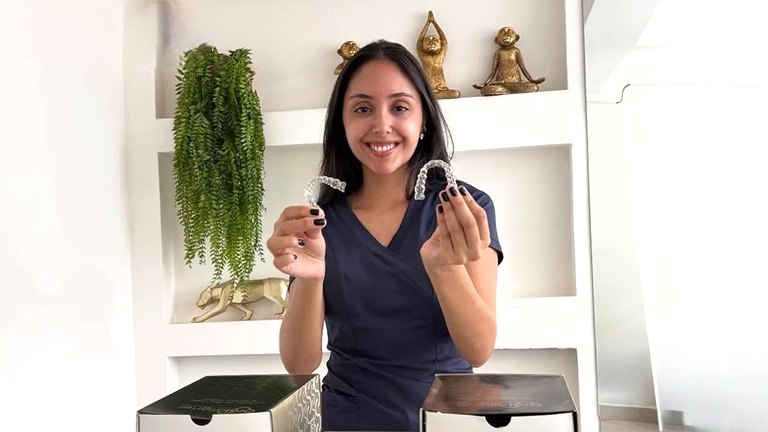
Your clear aligner trays only work when you wear them. That simple fact decides how fast your teeth move, how long treatment lasts, and how much money you spend. Compliance is not a small detail. It is the difference between a healthy bite and months of regret. When you skip trays or leave them out, your teeth start to shift back. Pain grows. Attachments break. New trays stop fitting. Then you need extra visits and extra costs. Clear aligner therapy gives you freedom. You can remove trays to eat, drink, and brush. Yet that freedom comes with hard rules. You must wear them for 20 to 22 hours each day. You must change trays on time. You must clean them.
How Clear Aligners Move Your Teeth
Clear aligners use steady pressure to guide teeth. Each set of trays is shaped for your next step. When you snap a tray in, it pushes on the teeth that need to move. Teeth then shift through bone. This process takes time. It also needs steady force.
When trays sit in your case, no pressure reaches your teeth. Gaps stay. Crowding stays. Your bite stays off. Missed wear time does not pause treatment. Instead, your plan falls behind.
Teeth also move best with small, constant steps. When you wear trays only at night, or only some days, you create a stop-and-start pattern. That pattern causes sore teeth, loose trays, and poor progress.
What Happens When You Do Not Follow The Plan
Noncompliance has clear effects. Some feel small at first. Others hit your time, comfort, and wallet.
- Trays feel tight or do not seat
- Gums feel sore or swollen
- Teeth look more crooked than before some days
Then larger problems start.
- Treatment runs months longer than planned
- You need new scans and new trays
- Your bite ends in a half-fixed state
The American Association of Orthodontists explains that tooth movement needs controlled force over time. You cannot “catch up” by wearing trays longer in one day. Lost days stay lost.
Daily Habits That Build Strong Compliance
You can protect your progress with simple daily habits. Each habit should be clear and easy to repeat.
- Set phone alarms for morning and night tray checks
- Place your case by your plate so trays go back in after each meal
- Keep a small travel toothbrush and case in your bag
Next, track your wear time. You can use a paper log, a calendar, or an app. Mark each tray change date. Then mark the days you hit your wear goal. Honest tracking helps you see patterns before they turn into problems.
The Centers for Disease Control and Prevention shares that steady routines support long-term health habits. Your aligner routine can follow the same rule. The tie tray is used daily, anchors such as breakfast, lunch, dinner, and bedtime.
Here is a simple comparison to show how habits affect your outcome.
|
Wear Pattern |
Average Daily Wear Time |
Likely Treatment Result
|
|
Consistent user |
20 to 22 hours |
On time finish, planned tooth movement, fewer refinements |
|
Occasional remover |
16 to 19 hours |
Slow progress, extra soreness, added trays or months |
|
Frequent remover |
Under 16 hours |
Trays do not fit, midcourse reset, higher costs, and stress |
Eating, Sports, and Social Life with Aligners
Many people worry that aligners will control their lives. You can still eat with family, play sports, and speak in public. You just need smart choices.
During meals, you should:
- Remove trays and store them in the case, not a napkin
- Drink only water with trays in
- Rinse your mouth and trays before snapping them back in
During sports, you should:
- Ask about a mouthguard that fits with your plan
- Keep your trays in your case, not a pocket
- Put trays back in as soon as practice or games end
During social events, you should:
- Plan meal times so trays stay out for less than two hours total
- Excuse yourself to rinse and replace trays after eating
- Carry your case so trays never sit loose in a bag
Protecting Your Teeth And Gums During Treatment
Aligners cover your teeth for most of the day. Food and plaque can get trapped if you skip cleaning. That can cause decay and gum problems.
The National Institute of Dental and Craniofacial Research stresses that brushing with fluoride and cleaning between teeth lowers tooth decay and gum disease risk. You can follow three steps.
- Brush teeth after each meal before trays go back in
- Use floss or interdental brushes once each day
- Clean trays with cool water and a soft brush, not hot water
Do not soak trays in mouthwash with color. Stains can set in. Also, avoid harsh cleaners that scratch plastic. Scratches hold germs and smell.
Working With Your Dental Team When You Struggle
Everyone slips at some point. You may forget trays during a trip. You may leave them out during a long event. The key is how you respond. You must clean them. If you want results with clear aligners in Dearborn Heights, you need a steady plan, honest tracking, and support when you slip.
First, tell your dental team the truth. Hidden gaps in wear time lead to wrong choices about your next steps. When you share real use, your team can adjust your plan. They may:
- Ask you to stay in the current tray longer
- Move you back to the last tray that fits well
- Order a short set of new trays to get you back on track
Next, reset your routine. Look at what caused the slip. Lack of a case. No alarms. Busy meal schedule. Then choose one small fix you can start today.