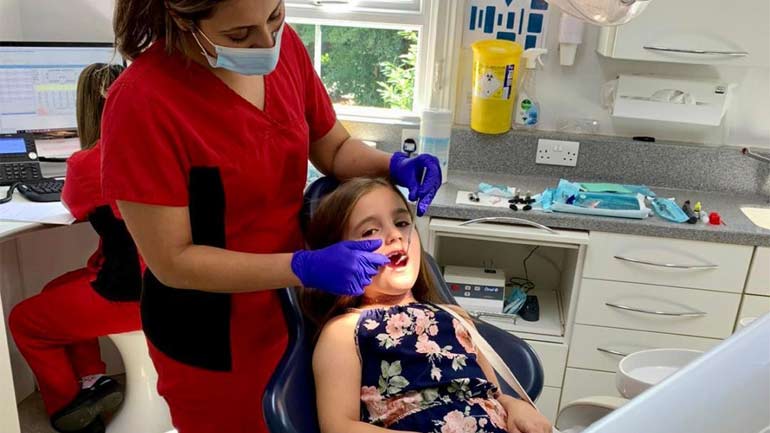
When your child moves from baby teeth to braces, you want less fear and more trust. That change can feel rough for a child. Strong family dentistry makes the shift to orthodontic care calmer and safer. Your child already knows the office, the staff, and the sounds. The chair is not new. The light is not scary. A dentist in Jackson Heights who sees your child from the first tooth can spot crowding, bite problems, and jaw growth issues early. That means fewer surprises later. Regular cleanings and checkups keep teeth strong before, during, and after braces. Early guidance also teaches your child how to brush, floss, and care for braces. You gain one steady team that tracks growth, explains each step in plain words, and supports your child through every change.
How Early Family Care Protects Your Child’s Smile
Early care shapes how your child sees dental visits. A kind team, clear words, and steady routines lower fear. This matters when braces enter the story.
Routine visits in a family office help in three key ways.
- You catch problems before they grow.
- You build strong daily habits.
- You give your child a sense of control.
The Centers for Disease Control and Prevention explains that untreated tooth decay causes pain, missed school, and trouble eating. Early cleanings remove plaque. Fluoride treatments protect enamel. Sealants block decay in back teeth. These simple steps keep the mouth ready for braces when the time comes.
Why Timing Matters For Orthodontic Care
Teeth and jaws grow on a steady clock. Family dentists watch that clock. Regular exams let the dentist see when baby teeth fall out, how adult teeth come in, and how the jaws line up.
Many children benefit from an orthodontic check by age 7. Crowding, crossbite, or open bite can show up even when many baby teeth are still present. When a family dentist tracks growth, the dentist can:
- Refer your child to an orthodontist at the right time.
- Share records and X-rays to avoid repeat tests.
- Explain what to expect so your child is not shocked.
The National Institute of Dental and Craniofacial Research notes that baby teeth guide adult teeth into place. If baby teeth are lost early from decay, teeth can drift. That shift can raise the need for braces or lengthen treatment. Family dentistry protects those guideposts.
Family Dentistry And Orthodontics: How They Work Together
| Type of Care | Main Focus | Key Role Before Braces | Key Role During Braces |
|---|---|---|---|
| Family Dentistry | Tooth and gum health | Checkups, cleanings, decay control, habit coaching | Cleanings around wires, gum checks, cavity repair |
| Orthodontics | Tooth and jaw alignment | Planning braces or aligners, growth checks | Adjustments, tracking tooth movement, bite correction |
This shared care keeps treatment steady. The family dentist keeps teeth strong. The orthodontist moves teeth into better positions. Your child gains a safer mouth and a more even bite.
How Familiar Settings Reduce Fear Of Braces
Children watch and remember. When they sit in the same chair and see the same faces, they feel more secure. That trust softens the shock of new tools and longer visits for braces.
Family offices help your child through three kinds of stress.
- Fear of pain. Clear words about what will happen help your child prepare.
- Fear of new tools. Early gentle cleanings show that tools do not always hurt.
- Fear of judgment. A kind team praises small steps and honest effort.
When the orthodontist joins the team, your child sees it as one more helper, not a stranger. That mental shift can change tears into calm focus.
Daily Care Habits That Support Braces
Braces trap food. This raises the risk of decay and gum swelling. Family dentists teach easy routines long before brackets go on teeth. Then braces feel like a new step, not a new world.
Key habits include:
- Brushing at least two times each day with fluoride toothpaste.
- Flossing once each day with floss threaders or small brushes when needed.
- Rinsing after snacks and sugary drinks.
Family teams also talk about food choices. Sticky candy, hard chips, and ice can break brackets. Simple swaps like yogurt, soft fruit, and cheese protect braces and teeth. When these rules start early, your child sees them as normal, not harsh.
Preventing Problems Before They Start
Strong family care can lower the chance of complications during braces. Early treatment of cavities, gum swelling, and baby tooth loss keeps the mouth stable.
With steady visits, the dentist can:
- Find decay before it reaches the nerve.
- Watch gums for early signs of disease.
- Guide jaw growth with simple tips like mouth posture and chewing on both sides.
This prevention saves time. It also protects your child from extra pain and emergency visits during orthodontic care.
Supporting Your Child Through Each Stage
Family dentistry does more than clean teeth. It builds a support system. You gain clear answers. Your child gains a safe place to share fear or discomfort.
As your child moves from baby teeth to braces and then to retainers, one steady team:
- Tracks growth and records over many years.
- Coordinates with the orthodontist on timing and care plans.
- Steps in fast when soreness, broken wires, or spots of decay show up.
This steady support turns a long process into a series of clear steps. Your child learns that change can feel hard yet still be managed with calm, skill, and care. That lesson stays long after the braces come off.