Preparing properly before joint replacement makes sure your body is strong enough to support the new joint after surgery is done. When patients improve their fitness and overall health before surgery, they often see less pain later, quicker movement, and fewer risks during recovery. It also helps you feel confident and mentally prepared for the journey ahead.
Understanding Joint Replacement Surgery
Joint replacement, also called arthroplasty, is a process that replaces part or the whole joint. A surgeon removes the damaged joint and puts in an artificial one.
The most common replacements are hip, knee, and shoulder joints. However, surgeries are also done on the wrist, elbow, and ankle joints.
What to Expect During Joint Replacement Surgery
Joint replacement surgery is a complicated process, but here is a simple overview of what you can expect:
Based on the surgeon and anesthesia doctor’s advice, you will receive either general anesthesia or regional (spinal) anesthesia with sedation.
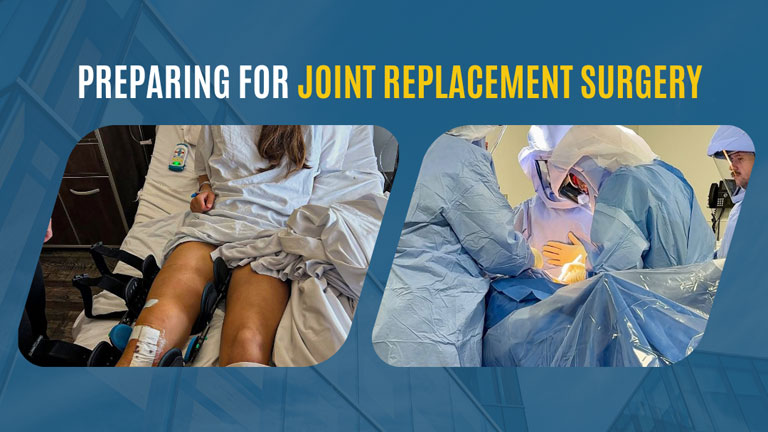
The surgeon makes a cut to open the area and removes the damaged joint. They place an artificial joint made of metal and plastic, fixed to the bone using surgical cement. The surgeon also shapes your bone around the implant. After closing the cut with stitches, the doctor may place a tube to drain fluid. The team covers the wound and moves you to recovery.
Today, advanced surgeons also use robotic tools for accurate implant placement and bone shaping.
How to Prepare Your Body for Joint Replacement Surgery
A healthy body supports both surgery and recovery. The healthier your body is, the faster it heals. Here are some simple tips to stay in good condition before joint replacement surgery:
Try to Stop Smoking
The harmful effects of nicotine on the body are well known. Smoking reduces blood flow and slows healing, which increases the risk of surgery problems. If you need help quitting, talk to your doctor or healthcare provider.
Reach a Healthy Weight
Extra weight puts pressure on replaced joints, especially hips and knees. Your doctor may suggest reaching a target weight before surgery.
Adjust Your Medications
Some medicines can affect surgery, including blood thinners, pain relief medicines, and supplements. You may need to stop these at least seven days before surgery. Always inform your surgeon about all medicines and supplements you are taking. They will guide you on what to continue or stop before surgery.
Visit the Dentist
Oral health can affect your surgery results. Dental problems can cause infection after surgery. Visit your dentist for a check-up. If dental treatment is needed, complete it before your joint surgery and inform your surgeon.
Strengthen Your Muscles
Your doctor may suggest exercises to build strength around the joint. Strong muscles help improve healing after surgery.
Manage Long-Term Conditions
Health problems like diabetes, high blood pressure, and obesity can raise complication risks. Visit your doctor to keep these conditions under control before surgery.
Exercise Regularly
Light exercises like walking, cycling, and swimming help maintain muscle strength and joint movement. Focus on strengthening muscles around your hip or knee. Ask your doctor for suitable exercises if unsure.
More essentials
It is important to make sure they have all the correct information. Your doctor will perform a general health check before surgery to assess your condition and anesthesia risk. You may need tests like blood tests, ECG, chest X-ray, or urine tests. Many patients work closely with experienced providers such as South Shore Health, whose teams guide patients through these steps to ensure proper preparation.
Nutrition Guide That You Can Follow Before Joint Replacement
Healthy food helps the body heal faster. Focus on:
- Protein – helps rebuild muscles and tissues. Examples: tofu, lentils, paneer, oatmeal, avocados, nuts.
- Calcium and Vitamin D is good for implant stability and support bone strength. Examples: milk, almonds, yogurt, green vegetables, ragi, and sunlight.
- Anti-inflammatory foods – help reduce swelling: fresh fruits, vegetables, turmeric, oats, olive oil.
- Limit sugar and salt – because they increase swelling and slow healing.
- Stay hydrated – drink about 2 to 3 liters of water daily unless your doctor advises otherwise.
How to Prepare Your Home for Recovery
After surgery, your arm or joint movement may be limited for some time. Your home becomes your healing space after surgery. Preparing it properly helps make recovery smooth.
Arrange Support
Ask a friend or family member to help you during recovery. You may need help with cooking, daily tasks, or errands.
Plan Your Sleeping Setup
After surgery, movement may be limited. Adjust your sleeping setup:
- Sleep on the ground floor if stairs are difficult
- Adjust bed height for easy getting in and out
- Keep a side table with essential items like phone and medicines within reach
Use Helpful Equipment
You may need tools to help you move easily:
- Walking aids: crutches, walker, or cane
- Bathroom support: grab bars, shower chair, raised toilet seat
- Long-handled tools: a shoehorn or a reacher to pick items without bending
- Remove loose rugs and fix electrical cords to avoid slipping.
- Keep daily-use items like phone, medicines, and water close to you for easy access.
Stock Necessary Items
Buy important items before surgery to avoid frequent shopping. Keep toiletries, food, medicines, and ready meals available.
Make Last-Minute Preparations
The last 24 hours before surgery are important. Follow this checklist:
- Take a bath the night before surgery using the recommended soap
- Do not shave the surgery area
- Check your skin for cuts or infections and report them
- Remove makeup, nail polish, or jewelry
- Do not eat or drink after midnight before surgery
Learn About the Procedure
Talk to your doctor and understand the full process before, during, and after surgery. Ask questions such as:
- How and when will I be admitted to your hospital?
- What type of anesthesia will be used?
- What type of implant will be placed?
- How long will I have to stay in the hospital?
- How long will recovery take?
- How will pain be managed?
What to Expect During a Hospital Stay
Most shoulder replacement surgeries use general anesthesia, sometimes with nerve blocks for pain control. After surgery, you will stay in a recovery room under observation.
Before discharge, your care team will explain:
- Wound care
- Pain control plan
- Use of a sling
- Follow-up visit schedule
Ask questions before leaving the hospital so you feel fully prepared.
Watch for Complications
Joint replacement surgery is usually safe, but you should stay alert for problems. Contact your doctor if you notice:
- Pain that does not improve with medicine
- Fever, redness, or discharge from the wound
- Swelling in the arm or hand
- Major changes in joint movement
Staying in touch with your doctor helps ensure a safe and smooth recovery.