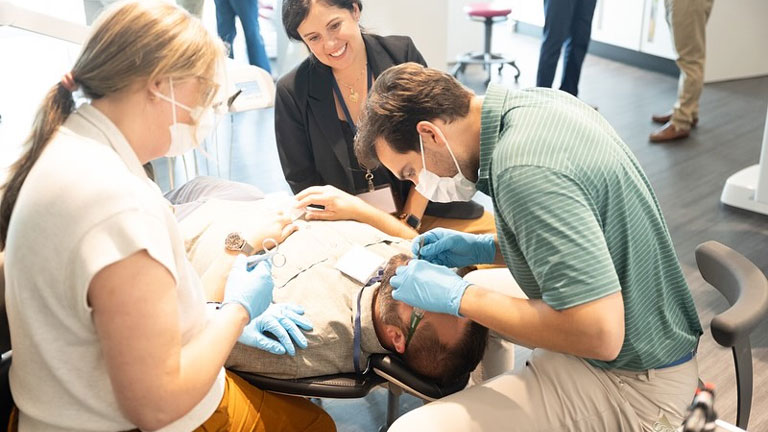
Family dental visits can stir up fear, tears, and old memories. Your own past in the chair may shape how your child feels today. That pattern does not need to continue. You can turn checkups into calm, even proud, moments for your family. This blog shares five clear steps that help you lower stress, build trust, and protect your child’s health. You will learn how to talk about cleanings, X-rays, and even bigger work in plain, honest words. Each tip focuses on what you can do before, during, and after the visit. The goal is simple. You walk in prepared. Your child feels safe. Everyone leaves with less fear and a plan for next time.
1. Use Honest Words Before The Visit
Your child watches your face and listens to your words. That is where fear often starts. You can change that pattern with clear language.
- Use short, direct words like “clean,” “count teeth,” and “check smile.”
- Avoid scary words like “hurt,” “needle,” or “shot.”
- Share what will happen in three steps. For example: “First, we sit in the chair. Then they clean your teeth. Then we get a new toothbrush.”
You can read simple facts together from trusted sources. The National Institute of Dental and Craniofacial Research explains what happens in a routine visit in plain language. You can read it with your child and answer questions before the appointment.
2. Practice At Home So The Office Feels Familiar
Fear often comes from surprise. Practice lowers surprise. It also gives your child a sense of control.
You can turn practice into a short home routine.
- Play “dentist” with a stuffed animal. Take turns being the dentist and the patient.
- Use a mirror so your child can see their own teeth. Count them out loud together.
- Have your child lie back on a pillow while you gently look in their mouth with a clean spoon handle. Explain that the dentist will look the same way.
Next time you brush and floss, name the tools. Say “toothbrush,” “paste,” and “floss.” This makes office tools feel less strange. Your child sees that the visit is not a new threat. It is a stronger version of what you already do at home.
3. Plan Comfort And Rewards That Match Your Child
Comfort and small rewards can change how your child remembers the visit. The goal is not a bribe. The goal is a sense of safety and pride.
Think about three parts.
- Before. Bring a favorite toy, book, or blanket. Ask if your child wants to sit on your lap while you wait.
- During. Ask the office if your child can listen to music or hold a soft toy during the cleaning.
- After. Plan a simple reward like extra story time, a trip to the park, or choosing a family game that night.
Do not promise candy or sugary treats. That can send a mixed message about tooth care. Choose rewards that support health and connection, not sugar.
4. Know The Facts About Checkups And Treatment
Clear facts can calm your own fear. That calm mood then helps your child. Regular checkups help you avoid bigger problems and emergency visits. The Centers for Disease Control and Prevention explains that tooth decay is one of the most common chronic conditions in children. Early care keeps that decay from growing.
When you understand this pattern, you can explain to your child why you go even when teeth feel fine. You can say: “We go so we can keep your teeth strong and avoid big problems later.” That clear reason can reduce pushback.
5. Partner With The Dental Team During The Visit
You do not need to manage the visit alone. The dental team can support you. You can also guide them on what your child needs. You will also see how early habits today can prevent painful choices later, including dental implants in Jonesboro.
Before the appointment, you can call and share three key facts.
- Your child’s age and any past fear or hard visits.
- What usually calms your child?
- Any special needs or sensory triggers, like bright lights or loud sounds.
During the visit, you can:
- Ask the dentist to explain each step in simple words before they start.
- Stay where your child can see you. Hold a hand if the office allows it.
- Use slow breathing with your child. In through the nose. Out through the mouth.
After the visit, praise effort, not “being brave.” You can say: “You opened your mouth when they asked. You listened and tried your best.” This builds a sense of strength and control that can last.
Putting It All Together
Family dental visits do not need to bring back old fears. You can shape a new story for your child and for yourself. You do this with honest words, simple practice at home, planned comfort, clear facts, and a strong partnership with the dental team.
Change rarely happens in one day. Yet each calm visit plants a new memory. Over time, your child can see the dentist as a trusted helper, not a threat. That shift protects health, lowers future costs, and supports a steady smile that your child can carry into every part of life.