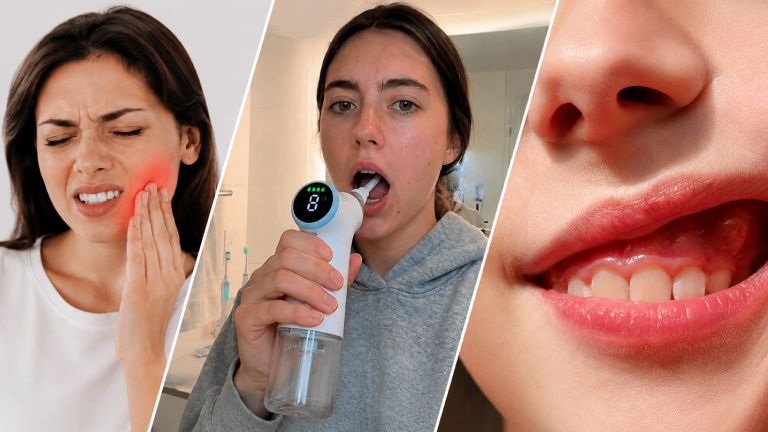
You might be brushing twice a day like you were taught, buying the “right” toothpaste, and doing your best to avoid too much sugar, yet something still feels off with your mouth. Maybe your gums sting when you floss, your breath turns sour by midafternoon. It can feel frustrating and even a little unfair when you are trying, but your smile does not seem to get the message.end
Many people follow a routine that worked fine in their teens or twenties, then discover it is not enough as life, stress, and age change their teeth and gums. Because of that shift, you might wonder if it is time to move beyond the basics and build a stronger, more grown-up oral care habit.
Here is the short version. There are clear warning signs when your mouth is asking for more support. When you notice them and respond early, you can often avoid bigger problems, protect your health, and feel more confident when you smile or speak. This guide walks through three signs your current habits are not keeping up, why they matter, and what you can do about them starting today.
Sign 1: Your gums bleed, feel puffy, or look different from how they used to
Maybe it started with a little pink in the sink when you spit after brushing. You told yourself you must have brushed too hard. Then it began to happen more often. Your gums might feel tender when you floss, or you notice they look a bit swollen in photos, or they seem to be pulling back from your teeth.
Bleeding gums are common, but they are not “normal.” They are your body’s early alarm system for gum disease. When plaque and bacteria sit along the gumline, your immune system reacts. The result can be redness, swelling, and bleeding when you brush or floss. If this inflammation continues, it can progress from mild gingivitis to more serious periodontal disease that affects the bone that holds your teeth in place.
So, where does that leave you if your gums are already sending signals?
First, do not blame yourself. Many people were never shown how to clean along and under the gumline, so they focus only on the visible tooth surface. Second, know that gums can often recover when you change your routine. Research-backed habits, like those described in the CDC’s oral health tips for adults, can reduce inflammation and help your gums return to a healthier state.
If you are seeing blood regularly, your current brushing and flossing pattern is not removing plaque effectively. That is one clear sign it is time to upgrade your oral hygiene routine and give your gums the attention they have been missing.
Sign 2: Bad breath keeps coming back, even after brushing or mints
Few things are as quietly stressful as worrying about your breath. You might find yourself turning your head when you talk, popping mints before every meeting, or feeling anxious about getting close to people you care about. When you brush, things improve for a short time, then the odor creeps back, and you are right where you started.
Persistent bad breath is not just a social problem. It is often a sign that bacteria are thriving on your tongue, between your teeth, or under your gums. These bacteria release sulfur compounds that create the “rotten egg” or sour taste you notice. If your routine focuses only on a quick brush of your teeth, you are leaving most of that bacterial buildup behind.
This is where a more complete oral care upgrade makes a difference. Cleaning your tongue, flossing or using interdental brushes, and sometimes adding an antibacterial mouth rinse can target the areas that brushing alone ignores. The National Institute of Dental and Craniofacial Research explains how proper daily cleaning can reduce these bacteria and protect both your teeth and gums.
If you feel like you are constantly masking bad breath instead of fixing it, that is another strong sign your current habits need to shift from “good enough” to truly effective.
Sign 3: New sensitivity, frequent cavities, or changes in how your teeth feel
Maybe cold water suddenly makes you wince, or sweet foods sting in a way they never used to. Perhaps your dentist keeps finding “small cavities” every visit, or you notice rough spots with your tongue that were not there a year ago. These changes can be subtle at first. Over time, they can turn into pain, larger fillings, or even root canal treatment.
Tooth enamel may be hard, but it is not invincible. Acidic drinks, frequent snacking, dry mouth, and missed plaque along the gumline all wear it down. When enamel thins or a cavity forms, sensitivity and decay follow. Many people are surprised to learn that even if they brush twice a day, their technique, timing, or product choices might still be leaving their teeth exposed.
So if you keep hearing about “early decay” or find yourself avoiding hot or cold drinks, it is not just bad luck. It is a signal that the way you care for your teeth does not match the demands of your current lifestyle or health. That is the third major sign it is time for an enhanced oral hygiene routine that supports stronger enamel and better cavity prevention.
How do basic habits compare to an upgraded oral hygiene routine?
When you hear “upgrade,” you might picture a complicated routine that takes forever. In reality, the difference between a basic approach and a stronger one often comes down to a few added steps and a bit more intention. The table below compares what many people currently do with what a more protective routine can look like.
|
Habit Area |
Common Basic Routine |
Upgraded Oral Hygiene Routine |
|
Brushing |
Once or twice a day for under 2 minutes, any motion, manual brush, whitening paste chosen mainly by flavor or marketing |
Twice a day for a full 2 minutes, gentle circular motion along gumline, soft brush or electric brush, fluoride toothpaste matched to your needs |
|
Between teeth |
Occasional flossing before a dental visit, or skipping entirely |
Daily flossing or interdental brushes, slow and gentle, focusing on where gums bleed or trap food |
|
Tongue and breath |
Mints or gum to cover odors, tongue is rarely cleaned |
Tongue scraped or brushed once a day, optional alcohol free antibacterial rinse if advised by a dentist |
|
Timing & snacking |
Frequent sipping of sugary or acidic drinks throughout the day, brushing sometimes right after acid exposure |
Limiting sugary or acidic exposures, drinking water between snacks, and waiting about 30 minutes after acidic drinks before brushing |
|
Professional care |
A dentist visits only when something hurts |
Regular checkups and cleanings as recommended, asking specific questions about bleeding, sensitivity, and breath |
If you are following all oral hygiene and daily teeth care routines, then you may need a dental checkup with a Schaumburg dentist.
Three practical steps you can start today
You do not need a full bathroom makeover to get started. Here are three focused steps that can help you strengthen your oral hygiene routine right away.
1. Give yourself a true 2-minute brush, twice a day
Set a timer on your phone or use a song you like as a guide. Spend about 30 seconds on each section of your mouth. Use a soft-bristle brush and gently angle it toward the gumline, where plaque likes to hide. Do not scrub hard. Think of it as polishing, not scouring. Use a fluoride toothpaste and spit out the foam, but try not to rinse with water right away so the fluoride has time to work.
This single change often reduces bleeding, improves breath, and helps with sensitivity over time, because you are finally reaching the areas that matter most.
2. Add one “between teeth” cleaning habit you can actually keep
If daily flossing feels overwhelming, start smaller instead of giving up. Choose one time of day and commit to cleaning between your teeth in a way that fits you. That might be traditional floss at night, floss picks you keep near the couch, or tiny interdental brushes for larger spaces.
The key is consistency. Even if you start with a few teeth and build up, your gums will begin to adapt. Bleeding often gets worse for a week or two, then improves as inflammation goes down. This is a normal response as long as the bleeding is not severe. Resources from the CDC on adult oral health and the NIDCR oral hygiene guide can give extra guidance on technique if you are unsure.
3. Pay attention to patterns, not just problems
Instead of waiting until something hurts, start noticing patterns. Do certain foods always trigger sensitivity? Does your breath worsen at a specific time of day? Do the same spots always bleed when you floss?
Keep a few notes on your phone for a week. This turns your appointment into a real collaboration. Your provider can suggest targeted changes, like switching toothpaste, adding a fluoride rinse, or checking for dry mouth or grinding that might be wearing down enamel.