You want clearer skin that feels clean and calm, not raw. A Hydrafacial can help you reach that goal without pain or a long recovery. This blog explains what happens during a Hydrafacial, what you feel at each step, and how to care for your skin after treatment. You will see how your provider cleans, exfoliates, and hydrates your skin in one visit. You will also learn how long the session takes, what the machine feels like on your face, and what you might see in the mirror that same day. Many people worry about redness, breakouts, or missed work. You will see what is normal, what is not, and when to call your provider. This guide will help you walk in prepared and walk out with fewer doubts.
What a Hydrafacial Is and What It Is Not
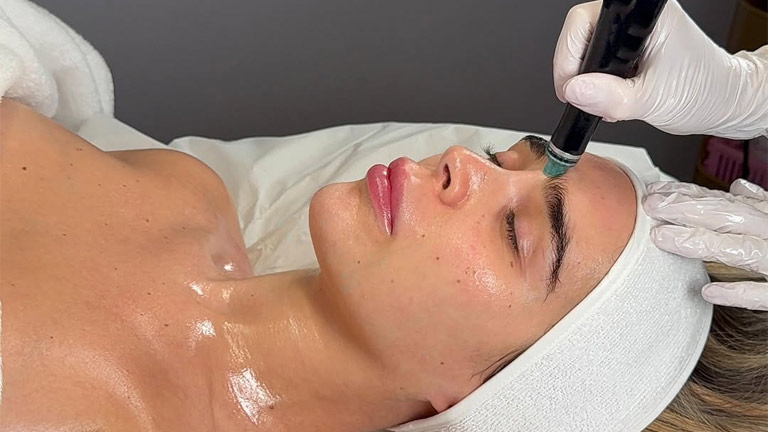
A Hydrafacial is a face treatment that uses a small handheld tool with gentle suction and flowing liquid. It cleans out pores, removes dead skin, and then adds moisture. It feels more like a slow toothbrush on the skin than a sharp tool.
It is not surgery. It is not a laser. It is not a deep chemical peel. You stay awake. You talk if you wish. You walk out on your own and often go back to normal life the same day.
Hydrafacial is one type of “noninvasive” skin care treatment. The Food and Drug Administration explains that noninvasive cosmetic treatments do not cut the skin or enter the body. You can read more about these treatments on the FDA consumer page on skin care procedures.
Who Might Consider a Hydrafacial
You might think about a Hydrafacial if you:
- See dull or rough skin and want a cleaner look
- Have clogged pores or blackheads
- Want some glow before a big event
People with very sensitive skin, active rashes, or open sores need a careful talk with a licensed provider first. Children and teens need a parent or guardian at the visit. Many clinics set age rules for safety.
Step-by-Step: What Happens During a Hydrafacial
A typical visit lasts about 30 to 60 minutes. Here is what you can expect from start to finish.
1. Check in and short skin review
- You fill out a short form about health, allergies, and skin history.
- The provider looks at your skin and listens to your concerns.
- You talk about any medicines you use on your skin.
This step helps your provider adjust the strength of the treatment. It also helps lower the risk of a bad reaction.
2. Gentle cleansing
- You lie back in a chair that reclines.
- The provider removes makeup, sunscreen, and surface oil.
- You may feel cool cloths and light pressure from the fingers.
The goal is simple. Start with a clean base so the tool can do its job.
3. Exfoliation and mild peel
- The Hydrafacial tool glides over your skin.
- You feel light suction and a wet, brushing motion.
- A mild peeling solution may be used to loosen dead skin.
You might feel a slight tingling. It should not burn. If you feel sharp pain, say so at once. A good provider will change settings or stop.
4. Deep pore cleaning
- The tool increases suction over oily or clogged spots like the nose and chin.
- You hear a soft buzzing sound.
- You feel a gentle pulling as debris lifts from pores.
This part can feel strange, but it should still feel tolerable. Many people feel relieved when they see how much buildup comes out.
5. Hydration and serum
- The tool now pushes hydrating liquid and light serum into the skin surface.
- Your skin may feel cool, smooth, and slightly tight.
- The provider may press the product in with their hands near the end.
This step helps the skin hold moisture. It can give a soft, plump look for a short time after the visit.
6. Final review and advice
- The provider checks your skin for redness or swelling.
- You may see a small container that shows what was removed from your skin.
- You get aftercare steps before you leave.
How a Hydrafacial Compares to Other Facials
People often ask how a Hydrafacial differs from a classic facial or a stronger chemical peel. This simple table shows key points.
Comparison of Common Skin Treatments
|
Treatment type |
Typical time in office |
Common feeling during treatment |
Common recovery time |
|
Hydrafacial |
30 to 60 minutes |
Light suction and cool, wet feeling |
Little to none. Mild redness may fade in a few hours |
|
Classic facial |
45 to 75 minutes |
Manual extractions and massage |
Redness from extractions for up to 1 day |
|
Mild chemical peel |
20 to 30 minutes |
Stinging or stronger tingling |
Peeling and flaking for 3 to 7 days |
This comparison does not replace medical advice. It only gives you a rough sense of what to expect.
What You Feel During and After
During the treatment, you may feel:
- Cool liquid on your face
- Light suction that feels like a small vacuum
- Mild tingling in spots with the peel solution
Right after treatment, you may notice:
- Slight redness, mainly on the cheeks or nose
- Skin that feels smoother to the touch
- A look of more shine or glow
These effects usually settle within a few hours. Many people return to work, school, or errands the same day.
Hydrafacial Aftercare: First 24 Hours
The first day after a Hydrafacial matters. Careless choices can undo some of the gains. You can protect your skin with three clear steps.
1. Be gentle with your skin
- Use a mild cleanser at night. Pat dry. Do not scrub.
- Skip harsh toners, strong acne products, and home peels.
- Avoid hot tubs and very hot showers on your face.
2. Protect from the sun
- Use broad-spectrum sunscreen with SPF 30 or higher.
- Wear a hat and seek shade when you can.
- Avoid tanning beds.
The Centers for Disease Control and Prevention explain why sunscreen and shade matter for every skin type. You can read more on the CDC sun safety page.
3. Watch for warning signs
- Short-term mild redness is common.
- Call your provider if you see a spreading rash, blisters, or severe pain.
- Seek urgent help if you have trouble breathing or swelling of the lips or tongue.
Aftercare for the Rest of the Week
For about 3 to 5 days, treat your skin with care.
- Use a gentle cleanser and simple moisturizer.
- Avoid retinoids or strong acne creams unless your provider says to restart.
- Stay away from harsh scrubs.
- Keep up with daily sunscreen.
If you use makeup, choose light products and remove them each night. Heavy layers can clog pores again.
How Often You Might Get a Hydrafacial
Many clinics suggest one Hydrafacial every 4 to 6 weeks. Some people choose one before weddings, photos, or holidays, and do not return often. Others build it into a regular skin care plan. The right schedule depends on skin type, budget, and goals.
For children and teens, safe skin care routines matter more than frequent spa visits. The American Academy of Dermatology offers guidance on teen skin and acne care on its public site. You can use that trusted advice when you talk with your child and your provider.
Questions to Ask Your Provider
Before you book or repeat a Hydrafacial, ask:
- Are you licensed to offer this treatment in this state
- How many Hydrafacials have you done
- What changes should I expect for my skin type
- What side effects do your clients report most often
- What should I do if I react at home
Clear answers show respect and care. You deserve that.
Key Takeaways
- A Hydrafacial is a noninvasive treatment that cleans, exfoliates, and hydrates in one visit at Buffalo Grove medical wellness clinic.
- You can expect light suction, mild tingling, and little to no downtime.
- Gentle care, sun protection, and quick response to warning signs keep your skin safer.
When you know what to expect, you reduce fear. You also protect your health while working toward the clear, calm skin you want.