Surgery for a pet can shake your whole life. You watch your animal wake up, eyes cloudy, body weak, and you feel fear, guilt, and pressure all at once. You wonder if you will miss a sign of pain. You worry about infection. You question every choice. You are not just handed a discharge sheet and pushed out the door. Instead, you receive clear steps, plain words, and steady guidance. You see how to give medicine, protect stitches, and keep your pet calm. You also hear honest talk about sleep, appetite, and behavior at home. This support protects your pet. It also protects your mind. You do not have to guess. You only need to follow a simple plan, one day at a time.
Clear instructions you can trust at home
Right after surgery, your head can feel full. You might forget half of what you hear. Strong hospitals expect this. You receive written and spoken instructions that match.
- Simple steps for feeding, activity, and rest
- A medicine schedule with times and doses
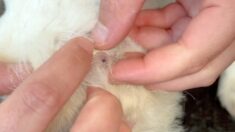
- Pictures or drawings that show how the cut should look
You can ask staff to read the plan with you. You can repeat it back in your own words. This keeps the plan real and useful.
Pain control that protects healing
Pets often hide pain. They may just move less or act quietly. You might blame age or mood. A good team teaches you what pain looks like.
- Restless pacing or trouble getting comfortable
- Whining, growling, or sudden snapping
- Not eating or refusing favorite treats
You hear why steady pain control matters. It keeps your pet moving just enough. It lowers stress. It helps the cut heal. You also learn what not to give. The U.S. Food and Drug Administration warns that common human pain drugs can harm pets. Strong hospitals remind you of this. They give safe medicine and show you how to use it. They ask you to call before you change any dose.
Wound checks and infection watch
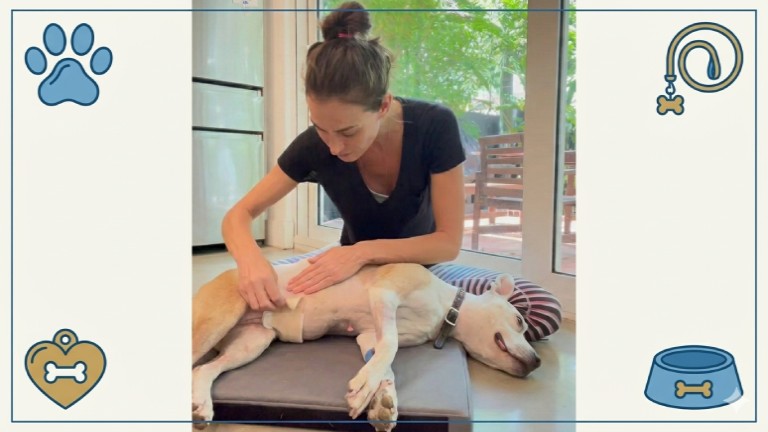
Infection can grow fast. You may feel scared to look at the cut. Hospitals help you face that fear. Staff show you the site before you go home. You see what normal swelling and redness look like. You practice how to clean the skin and how to keep the area dry.
You also get a list of danger signs.
- Thick yellow or green fluid
- Strong smell
- Heat, firm swelling, or sudden pain at the site
- Fever, shaking, or deep tired behavior
You know when to watch and when to act. You also know who to call at night or on weekends. This clear path eases panic. It keeps small problems from turning into large ones.
Follow-up visits and phone check-ins
Support does not end at the curb. You leave with set times for check-ups. These visits allow the team to remove stitches, check weight, and adjust medicine. They also give you space to ask hard questions about long-term care. An animal hospital in Port Arthur, TX understands that weight.
Many hospitals add phone or video check-ins. You may get a call the day after surgery. Staff may ask three simple questions.
- Is your pet eating and drinking
- Is your pet able to get up to pee and poop
- Has the cut changed in any sudden way
These quick talks catch trouble early. They also remind you that you are not alone with your worry.
Support for different surgeries
Not every surgery needs the same care. Still, the core support stays steady. The table below shows how needs can vary across three common surgical types.
|
Type of surgery |
Typical home rest time |
Activity limits |
Extra home support
|
|
Spay or neuter |
7 to 10 days |
Short leash walks only |
Watch licking, use a cone, keep indoors |
|
Orthopedic repair |
6 to 12 weeks |
No running or jumping |
Use crates, ramps, and non-slip rugs |
|
Abdominal surgery |
10 to 14 days |
Limit stairs and rough play |
Small meals, close watch on poop and pee |
This kind of plain chart helps you see what to expect. It turns a vague fear into a plan you can hold.
Emotional support for the whole family
Surgery shakes children and adults. You may feel guilty for not catching the illness sooner. Children may fear that the pet will not come home. Strong hospitals speak to every person in the room.
- The staff explains the surgery in simple words that children understand
- The team tells you what your pet may look like when you visit
- You get ideas for safe ways children can help with care
You also hear that fear is normal. You learn that needing help is not a weakness. This honest talk can calm tense homes. It can stop blame and anger from growing in quiet corners.