Parenting drains your energy. Dental care at home often slips to the bottom of the list. You may worry about cavities, fights over brushing, or missed checkups. You are not alone. A family dentist can turn daily mouth care from a struggle into a simple routine. You get clear steps. Your child gets steady support. You do not need special tools or long visits. A family dentist helps you build that plan. This blog shares three direct ways a family dentist stands with you. You will see how short visits, honest talks, and teamwork at home protect your child’s teeth and calm your mind.
1. You Get Simple Daily Routines That Work At Home
A family dentist studies your child’s mouth, your schedule, and your stress. Then you get a short plan you can keep. You stop guessing. You stop arguing about random rules.
During a visit, you can expect three clear steps.
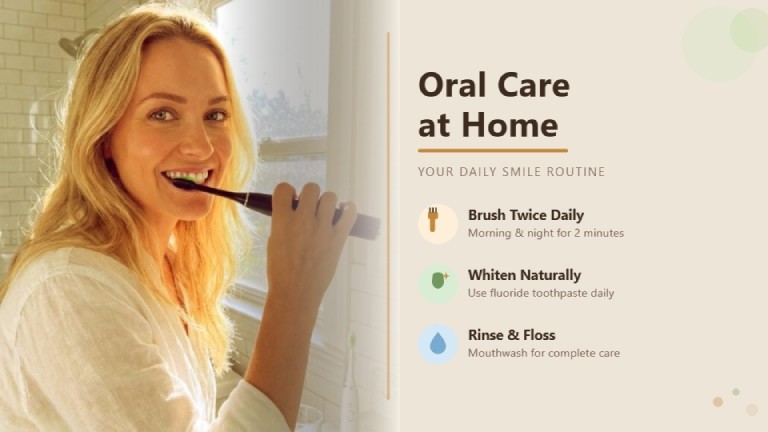
- Pick brushing and flossing times that match your routine
- Choose tools that fit your child’s age and skills
- Set rules that you can enforce every day
First, you choose times. Morning and night work for many homes. Some children do better after breakfast and right before bed. Your dentist talks through your day and helps you lock in a pattern.
Next, you match tools to your child. A soft brush, a tiny smear of fluoride paste, and floss picks can be enough for young children. You can see age tips from the Centers for Disease Control and Prevention. You do not need fancy devices. You need tools that your child can hold and use without pain.
Last, you set rules at home. You might use a timer. You might use a simple chart. You might brush together. You decide with your dentist what you can keep up when life gets messy.
2. You Learn What Problems To Watch For And When To Act Fast
You cannot stare inside your child’s mouth all day. You can still catch problems early if you know what to watch for. A family dentist shows you clear warning signs and what each sign means.
Here are common signs and what they can signal.
|
Sign you notice at home |
What it may mean |
What your dentist may suggest
|
|
White or brown spots on teeth |
Early decay or weak enamel |
Fluoride, sealants, closer checks |
|
Red or puffy gums |
Gum infection from plaque |
Cleaning, brushing changes, floss training |
|
Bad breath that does not go away |
Decay, gum trouble, dry mouth |
Exam, cleaning, mouth moisture tips |
|
Tooth pain while eating |
Cavity or cracked tooth |
Prompt visit to fix the tooth |
|
Swelling, fever, or facial pain |
An infection that can spread |
Urgent visit or emergency care |
Your dentist walks through these signs during checkups. You can take notes. You can ask what each sign looks like in your child. You leave knowing when to wait for the next visit and when to call for help that day.
Some problems need fast care. A knocked-out tooth, sudden swelling, or pain that wakes your child at night should not wait. You already know who to call and where to go. You know when you need your regular dentist and when you need a Stouffville emergency dentist or another urgent clinic. That calm plan cuts fear during hard moments.
3. You and Your Child Learn Together During Every Visit
Children often listen to another adult more than to a parent. A family dentist uses that truth to support you. Your child hears the same message from you and from the dentist. That steady team can shift habits.
During a visit, your dentist can
- Show your child how to brush on a model tooth
- Guide your child’s hand as they brush
- Use clear words to explain sugar, snacks, and water
You watch all of this in the room. You pick up simple phrases you can repeat at home. You learn how to praise honest effort. You learn how to correct without shame.
Your dentist can also speak with you alone for a few minutes. You can talk about
- How to handle bedtime battles over brushing
- How much juice, milk, or sports drinks to allow
- How to deal with thumb sucking or teeth grinding
You leave with three or four clear steps. You do not leave with a long list that feels heavy. You focus on the next small change that will protect your child’s teeth.
How Family Dentists Turn Stress Into A Simple Plan
Regular checkups give you a chance to adjust your home routine as your child grows. You can see age-based schedules and vaccine-style timing for visits on the MouthHealthy site from the American Dental Association. You can bring questions each time.
Over time, you and your dentist build three strong habits.
- You keep a steady brushing and flossing routine
- You act early when you see small warning signs
- You and your child hear the same clear messages
Those habits protect teeth. They also protect your peace. You know what to do on a normal night. You know what to do when something feels wrong. You have a partner who knows your child and respects your limits. That quiet support matters on the hard days when you feel worn out yet still want to guard your child’s health.