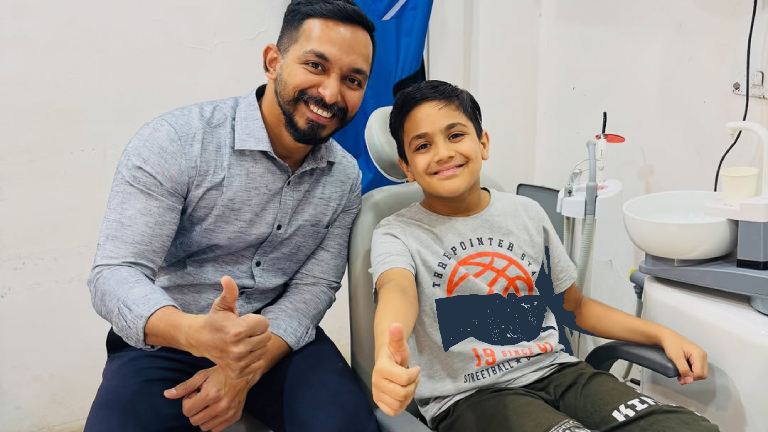
Dental visits can stir up intense fear in children. Your child may cry, freeze, or cling to you in the waiting room. You may feel helpless and tense. This reaction is common. It is also something you can change. Pediatric dentists use clear methods that calm fear and build trust. These methods turn a scary visit into a steady routine. They use simple words, gentle steps, and a child-focused setting. They also teach you how to support your child before and after each visit. You see less fear. Your child gains more control. You gain a plan that actually works. This blog shares five specific ways pediatric dentists lower dental anxiety in children. You can use this guidance to prepare your child, choose the right dentist, and protect your child’s long-term oral health.
1. They Use Child-Friendly Language and Clear Explanations
Fear grows when a child does not know what will happen. Pediatric dentists remove that guesswork. They use short words that match your child’s age. They tell your child what will happen next in simple steps. They avoid scary words like “shot” or “drill”. Instead, they may say “sleepy juice” for numbing medicine or “tooth cleaner” for dental tools.
You can support this method at home. You can read picture books about dental visits. You can practice “open wide” in front of a mirror. You can keep your words calm and clear. You do not need long speeches. You only need honest and short statements, such as “The dentist counts your teeth and keeps them strong.”
Evidence from the National Institute of Dental and Craniofacial Research shows that early, positive visits help children accept dental care. Clear words are the first step in that process.
2. They Shape The Office Into A Safe Place For Children
The setting can either raise or lower your child’s fear. Pediatric offices remove many common triggers. They control noise. They use child-sized chairs. They offer toys, books, or screens in the waiting room. They keep tools out of your child’s direct view when possible.
Many offices also use:
- Soothing colors and simple art
- Quiet music or white noise
- Small prizes after the visit
You can think of the office as a training ground. Each detail sends one clear message. Your child is safe here. Your child is heard. Your child can handle this visit.
3. They Use Behavior Guidance That Respects Your Child
Pediatric dentists train for extra years to learn child behavior. They do not expect your child to act like an adult. They use tested steps that give your child a sense of control.
Common methods include:
- Tell show do. The dentist tells your child what will happen. Then shows the tool on a finger or a toy. Then does the step in the mouth.
- Positive choices. The dentist offers small choices such as “Do you want to sit in the blue chair or the gray chair?” Your child feels some control even during care.
- Modeling. The dentist may treat an older sibling first. Your younger child watches and learns that the visit is safe.
These methods reduce the need for restraint or raised voices. They protect your child’s sense of dignity. They also teach coping skills that your child can use in other tough moments.
4. They Plan Visits Around Your Child’s Development
Age matters. A three-year-old and a ten-year-old face different fears. Pediatric dentists plan care based on your child’s stage. They keep visits short for very young children. They may break treatment into several easy visits.
The table below shows how approaches often differ by age.
|
Child age |
Common fear |
Typical dentist response
|
|
1 to 3 years |
Separation from parent |
Parent in the room. Very short exam. Lap to lap position. |
|
4 to 6 years |
Fear of the unknown |
Tell show do. Simple stories. Rewards after the visit. |
|
7 to 9 years |
Fear of pain |
More detailed talk. Numbing medicine. Relaxed breathing. |
|
10 to 12 years |
Shame or worry about judgment |
Private talk. Respectful tone. Clear plan for home care. |
The American Academy of Pediatric Dentistry notes that the first dental visit should happen by age 1. Early visits keep care short and simple. That reduces fear and lowers the need for urgent treatment later.
5. They Work With You To Build A Calm Routine
You are your child’s main support. Pediatric dentists know this. They coach you. They tell you what to say before the visit. They explain how to hold your child if needed. They give you clear home care steps so small problems do not grow into painful ones. Cary pediatric dentistry uses these same methods every day with nervous children.
You can help by:
- Avoiding scary stories about your own dental visits
- Sticking to regular checkups instead of waiting for pain
- Using neutral words at home, such as “tooth check.”
- Praising effort instead of “bravery.”
Routine care is more effective after treatment. Each calm visit builds the next one. Over time, your child learns that the dentist is part of normal life. Fear loses its grip.
Putting It All Together
Dental anxiety does not need to control your child’s future. Pediatric dentists use clear words, safe spaces, respectful behavior guidance, age-based plans, and strong teamwork with you. These five methods work best when you start early and stay consistent.
You can ask your pediatric dentist to explain their approach to anxiety. You can share your child’s fears openly. You can request slower steps if your child feels overwhelmed. Your steady support, combined with these methods, gives your child a real chance to face dental visits with strength instead of panic.