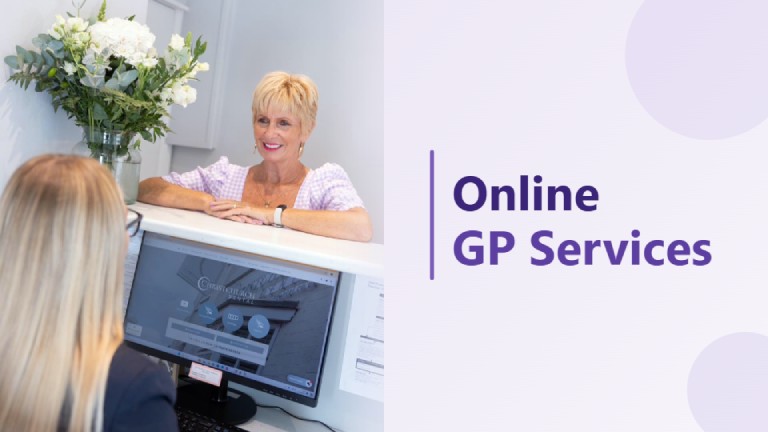
The NHS is under enormous pressure. Anyone who’s tried to get a same-day GP appointment recently will know that the experience can feel less like accessing healthcare and more like competing in a lottery. Waiting two or three weeks to see a doctor for something that’s been bothering you isn’t unusual anymore, and for a lot of people, that wait has real consequences.
Private online GP services have been picking up the slack for years now, and the range of what they actually offer has grown considerably. It is not just about getting a sick note quickly, though that’s clearly part of it. These platforms now cover consultations, prescriptions, specialist referrals, and in some cases a fairly broad range of diagnostic services. Whether that sits comfortably with everyone is a different conversation, but the demand is obviously there.
What Online GP Platforms Actually Offer
Most people assume private online healthcare is either extortionately expensive or basically a workaround for getting controlled medications easily. Neither of those things is particularly accurate, and the reality is a bit more nuanced. Reputable platforms are staffed by fully registered UK doctors. They operate under CQC oversight, and follow exactly the same prescribing guidelines as your local surgery.
Services like IQ Doctor are a good example of how these platforms actually function in practice. They offer video and written consultations, prescriptions sent to a pharmacy of your choice, and access to a range of treatments. It covers everything from weight management and sexual health to travel vaccinations and chronic condition management. It is not glamorous stuff, but it is just healthcare, delivered in a way that does not require you to take a morning off work to sit in a waiting room.
There’s also a fair amount of administrative support built in, things like fit notes, referral letters, and blood test requests, which are often the reason people need to see a GP in the first place. Not because they’re ill exactly, but because they need paperwork to move something else forward. Having that available online, often on the same day, is genuinely useful.
The Scepticism Is Worth Taking Seriously
Not everyone is enthusiastic about the shift towards private online healthcare, and some of that scepticism is reasonable. If you are seeing a different online doctor each time you log in, there’s no ongoing relationship, no doctor who knows your history without reading notes first, no one who remembers that you mentioned something worrying six months ago. For people with complex or long-term conditions, that’s a real limitation.
And there’s the cost. A consultation fee varies between platforms, but you are typically looking at somewhere between £20 and £60 for a written consultation, and more for video appointments or specialist input. For someone using the service regularly, that adds up. It is not a replacement for NHS care, and nobody reputable in this space is claiming it is.
But for people with good general health who occasionally need something sorted and can’t wait three weeks to sort it, the calculus is pretty simple. Pay a reasonable fee, speak to a qualified doctor today, get whatever you need dealt with. A lot of people find that a perfectly acceptable trade-off.
How to Use These Services Without Being Naive About It
The main thing worth understanding is that online GP platforms are not a shortcut around appropriate medical care. If you are describing symptoms that need a physical examination, a blood pressure cuff, or a doctor who can actually look at the thing you are worried about, then a video consultation has obvious limits. Good platforms will tell you this. They will refer you to A&E or advise an in-person appointment when that’s clearly the right call. Be wary of any service that always has a solution ready to send you in the post.
Registration is usually straightforward; you fill in your medical history, describe what you need, and either wait for a written response or book a video slot. Most reputable platforms are transparent about their doctors’ qualifications, their CQC registration, and their prescribing policies. If that information isn’t easy to find, that’s a reasonable reason to look elsewhere.
Online healthcare in the UK has genuinely matured over the last few years. It is not a perfect system; nothing is, but for a lot of people it fills a gap that wasn’t being filled any other way. Used sensibly, it’s a practical option that more people are quietly relying on than you might expect.