Modern dental tools have changed that experience in ways you can feel right away. Better imaging, gentler numbing methods, faster treatment planning, and more precise care all help reduce discomfort and uncertainty. When a general dentist uses technology well, the visit often feels shorter, clearer, and less physically taxing. That matters because comfort is not a luxury in oral care. It is part of what helps you come back, stay consistent, and protect your long-term health.
Digital imaging reduces discomfort and guesswork in general dentist visits
Older imaging methods could feel awkward, and waiting for results added another layer of stress. Digital X-rays and intraoral cameras have made that process easier. The sensors are often quicker to use, the images appear almost at once, and your dentist can show you what is happening instead of asking you to imagine it. When you can see a cracked filling, early decay, or gum irritation on a screen, decisions feel less confusing.
That clarity also cuts down on the fear that something is being missed or overstated. If you have ever left an appointment thinking, “Do I really need this treatment?” visual evidence helps answer that. According to the National Institute of Dental and Craniofacial Research, oral health remains closely tied to overall health, access to care, and quality of life.
Laser and precision tools support more comfortable dental care technology
Many people picture dental treatment as scraping, drilling, and pressure. Precision-based tools have softened that image. In some cases, lasers and refined handpieces allow your dentist to target a smaller area, preserve more healthy tooth structure, and reduce irritation to nearby tissue. That can mean less bleeding, less swelling, and an easier recovery.
This does not mean every procedure is painless or that every office uses the same tools. It does mean treatment can be gentler than many people expect. If you have been putting off care because a past visit felt rough, this is often where the difference shows up most. Smaller margins of error usually translate to a calmer experience in the chair and fewer surprises after you get home.
Computer-guided numbing helps reduce one of the biggest fears
For many adults, the hardest part is not the cleaning or the filling. It is the injection. That fear can be intense, especially if you have had a painful numbing experience before. Computer-assisted local anesthesia systems help control the speed and pressure of anesthetic delivery. A steadier flow often feels more comfortable than a manual injection given too quickly.
That matters because pain control shapes the whole appointment. When numbing is more predictable, you are less likely to brace your body, grip the chair, or stay on edge waiting for the next sting. Research on patient-centered dental care has continued to show that comfort, communication, and trust strongly affect whether people seek care and follow through with treatment.
CAD CAM and same-day planning shorten treatment time
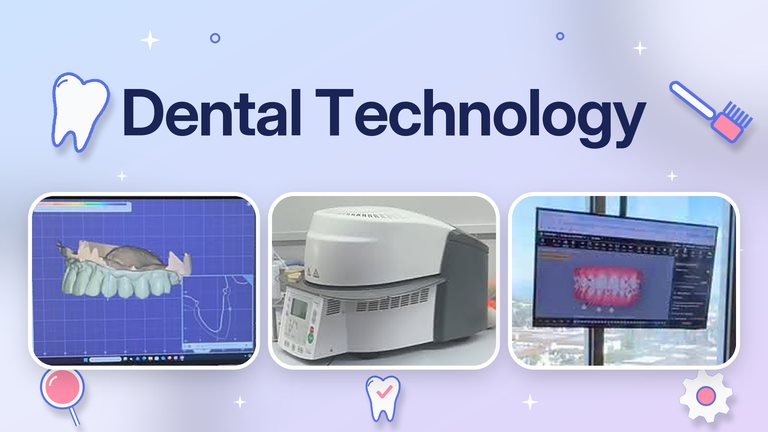
Time in the chair wears people down. Holding your mouth open, managing jaw fatigue, and coming back for repeat visits can turn even a simple restoration into an exhausting process. Digital scanning and CAD CAM systems can improve that. Instead of using messy impression material, many dentists now use a handheld scanner to create a digital model of your teeth. That is more comfortable for people with a strong gag reflex and easier for people who feel trapped during traditional impressions.
For crowns and some restorations, digital planning can also reduce the number of appointments. Fewer visits mean less time off work, less childcare juggling, and less emotional buildup before treatment. Patient comfort in dentistry is not only about physical sensation. It includes convenience, predictability, and how much disruption care causes in your daily life.
Better monitoring helps prevent small problems from becoming painful ones
The most comfortable procedure is often the one you never need because a problem was caught early. Digital records, periodontal charting, cavity detection tools, and bite analysis systems help your dentist track changes over time. Tiny issues are easier to treat than advanced ones. A worn filling can be replaced before it cracks. Gum inflammation can be addressed before it turns into more serious periodontal damage. A small cavity is usually easier than a large one approaching the nerve.
This is one of the clearest benefits of technology in general dentistry. You are not only getting treatment. You are getting earlier warning signs, which often means less pain, lower cost, and more conservative care.
Small steps can help you find more comfortable dental treatment
Ask what technology is used before you book. Ask if the office uses digital X-rays, intraoral scanners, comfort-focused numbing systems, or same-day restoration tools. The answers will tell you a lot about how they approach care.
Tell the dentist what makes you nervous. If injections, gagging, jaw fatigue, or noise are your main triggers, say that plainly. A good dental team can adjust the visit when they know what tends to set you on edge.
Do not wait for pain to force the appointment. Early visits are usually easier visits. If something feels off, even if it seems minor, getting it checked sooner often leads to simpler treatment and a better overall experience with cosmetic dentistry in Stony Point, NY
You are not overreacting if dental visits make you uneasy. A lot of that fear comes from older experiences that felt uncomfortable, rushed, or hard to understand. The good news is that many of those pain points have changed. Modern tools can make care more precise, more efficient, and much easier on you. If you have been delaying treatment, this is a good time to ask about comfort-focused options and schedule the care you have been putting off.