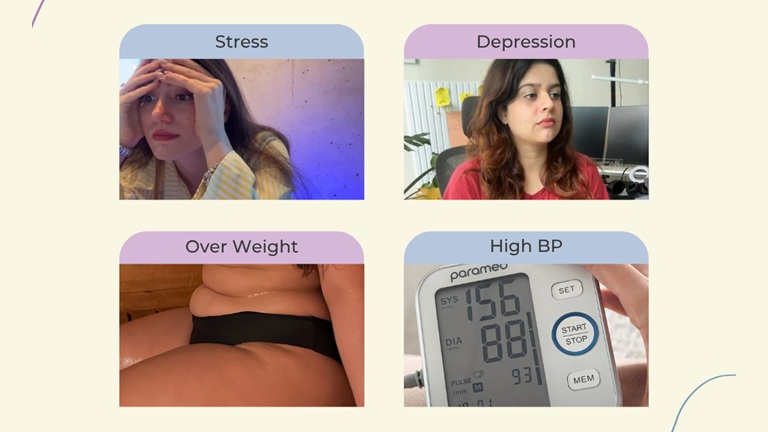
Today, we will learn about how mental health issues, like depression and stress, cause high blood pressure. Millions of people are suffering from stress, depression, and other mental health related problesm. Mental health-related issues can become the cause of high blood pressure, weight gain, and other health problems.
How Stress Affects Blood Pressure
Being under stress can make your blood pressure rise for a short time. When you feel stressed, your body releases a rush of hormones. These hormones make your heart beat faster, and your blood vessels become tighter. Because of this, your blood pressure goes up for a while.
Responding to stress in unhealthy ways can increase blood pressure and raise the risk of heart attack and stroke. Stress may cause a sudden jump in blood pressure, but once the stress ends, it usually returns to normal. Even so, repeated short increases can harm your blood vessels, heart, and kidneys over time and may lead to serious problems.
The Role of Cortisol in Weight Gain
When we feel stressed, the body produces more of a hormone called cortisol. Cortisol helps your body use fat and carbohydrates, giving you quick energy. This is useful in dangerous situations, but it also makes you feel hungrier. High cortisol levels can also cause cravings for sweet, salty, and fatty foods.
Too much cortisol can also lower testosterone levels. This may reduce muscle mass and slow down how many calories your body burns.
Cortisol can also cause the body to release more insulin. Together, these hormones may lead to extra fat being stored around the stomach area. The fat around the waist is often called “toxic fat” and is linked to heart disease.
Stress, Sleep, and Appetite Problems
Long-term stress can disturb sleep patterns and lead to poor sleep or insomnia. Lack of sleep changes the balance of hunger hormones. Leptin, which tells you that you are full, goes down, while ghrelin, which increases hunger, goes up. This imbalance of hormones and lifestyle can lead to overeating and weight gain.
At first, stress may reduce your appetite. But over time, it can raise insulin levels, lower blood sugar, and increase cravings for sugary and fatty foods.
How Depression Is Connected to High Blood Pressure
Depression is a common condition that affects many adults. Studies show that people with depression are more likely to develop high blood pressure over time. However, this does not mean depression directly causes it.
Depression puts stress on both the mind and body. This stress raises hormone levels like cortisol, which can increase blood pressure as we described above. It is also linked with higher inflammation, which may further raise blood pressure.
A common symptom of depression is losing interest or joy in daily activities. This is known as anhedonia. It is linked to the brain’s reward system, making once enjoyable things feel dull. Even food may not feel satisfying, which can lead to strong and hard-to-control cravings.
The Depression and Weight Gain Cycle
People with depression are more likely to gain excess weight, and people who are overweight have a higher risk of depression. These two conditions can feed each other and create a negative cycle. Changes in appetite, stress, and low energy can lead to weight gain, which may then worsen feelings of low self-worth. In addition, the link between antidepressants and weight gain can sometimes add to this cycle, making it important to manage treatment carefully with professional advice.
Low energy is one of the most common signs of depression. Feeling tired, slow, and unmotivated can make it hard to stay active or take care of your health. During such times, it may feel difficult to exercise, shop for healthy food, or cook balanced meals, which can lead to weight gain.
Simple Ways to Break the Cycle
Even if reducing stress feels hard, you can still manage its effects. Relaxation methods like mindfulness, meditation, yoga, and deep breathing can help lower cortisol levels.
Exercise can improve mood by increasing natural “feel-good” chemicals, lowering stress hormones, and improving sleep. Even a short walk of ten minutes can help improve blood flow and breathing.
Eating a balanced and healthy diet is important. You should try to avoid processed foods, sugary snacks, and high-fat meals. Instead, focus on fruits, vegetables, lean protein, and whole grains.
Sometimes, managing stress and weight may need professional support. Talking to a doctor, therapist, or diet expert can provide the right guidance. Treatments like cognitive-behavioral therapy (CBT) can help you build better habits and manage emotional eating.