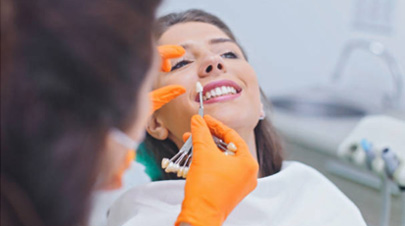
You see perfect smiles on screens every day. You may feel pressure to change your own. Modern smile treatments can build confidence, repair damage, and ease pain. They can also cross lines that harm trust, health, and self-respect. This blog looks at where those lines sit and what happens when they move. It asks hard questions about over-treatment, hidden costs, and quiet risks that some providers ignore. It also explains how profit, social media filters, and rushed visits can shape choices that should stay personal and careful. If you are thinking about veneers, clear aligners, whitening, or other cosmetic work, you deserve clear facts and honest guidance. A dentist in Boynton Beach or any city should protect your long-term health, not just your photos. By the end, you will know how to spot pressure, ask strong questions, and choose care that respects your body and your voice.
When Does A Smile Makeover Go Too Far
Cosmetic care can help you chew, speak, and smile with ease. It can also remove healthy tooth structure, strain gums, and lock you into repeat work. The ethical line often appears at three points.
- When healthy teeth are cut or reshaped without a clear need
- When risks and limits stay hidden or vague
- When your fear or shame drives choices more than facts
The American Dental Association Code of Ethics stresses that your health must come first. Any plan that puts beauty ahead of basic function crosses a line.
Common Treatments And Their Ethical Pressure Points
| Treatment | Typical Purpose | Main Health Risk | Ethical Red Flag |
|---|---|---|---|
| Teeth whitening | Lighten tooth color | Tooth pain and gum burn | Repeated strong bleaching for a very white shade |
| Veneers | Change shape and color of front teeth | Loss of healthy enamel | Placing veneers on straight, sound teeth for looks only |
| Clear aligners | Straighten teeth | Jaw pain and gum problems | No in-person exam or X-rays before treatment |
| Crowns | Restore broken or weak teeth | Nerve damage and repeat work | Crowning teeth that only need small fillings |
| Gum shaping | Change gum line for a new look | Sensitivity and gum loss | Cutting healthy gums only for a trend |
Each option can help when used with care. The harm comes when speed, fashion, or profit outrun science and good sense.
How Social Media And Beauty Trends Shape Your Choices
Filters, edits, and paid posts can twist what you see as normal. You may compare your teeth to images that are not real. That pressure can feel heavy for teens and children. It can also push adults to want one exact look.
Three warning signs show that a trend is steering your choice.
- You want the same smile as a star, not the best smile for your mouth
- You feel shame about normal traits like small gaps or slight shade
- You feel rushed to book before you have clear facts
A healthy smile comes in many shapes and shades. Ethics in care start with respect for that truth.
Informed Consent And Clear Talk
True consent means you understand what will happen, why, and what might go wrong. It also means you feel free to say no. The National Institutes of Health stresses that consent must be clear and ongoing.
Before any cosmetic work, you should hear three things in plain words.
- All options, including doing nothing
- Short-term and long-term risks and costs
- How often the work may need repair or a full redo
If a provider brushes off your questions or uses hard terms that you cannot follow, that breaks trust. Honest care uses simple talk and real numbers.
Children, Teens, And Family Choices
Parents want children to feel strong and safe. That wish can lead to early cosmetic work. Yet growing jaws and changing teeth need care. Some choices made young cannot be undone.
Think hard before you approve cosmetic work for a minor when there is no health need. Ask three questions.
- Is this about health or about a trend or post?
- Can we wait until growth is done?
- Has my child heard both risks and gains in simple words?
Family talks can ease shame and fear. Support at home often helps more than quick cosmetic fixes.
How To Spot Pressure And Protect Yourself
You can guard your health with a few firm steps.
- Seek a second opinion when a plan seems large or costly
- Ask to see X-rays and photos that show true need
- Request plain language about what stays permanent
- Set a cooling-off period before big changes
- Check that the office follows state and federal rules
A careful dentist will welcome these steps. A rushed or pushy one may not. That reaction tells you a lot.
Questions To Ask Your Dentist Before Cosmetic Work
Bring written questions to your visit. You can use this list.
- What happens if I do nothing right now?
- How much healthy tooth must you remove?
- How long should the work last with normal care?
- What problems do your patients most often report after this?
- How many of these cases have you done this year?
- What will this cost over ten years, including upkeep?
Clear answers help you feel steady. They also show respect for your role in each choice.
Choosing Respect Over Perfection
A strong smile supports speech, eating, and social life. Cosmetic care can help when it adds to that base. It crosses an ethical line when it risks your health, drains your savings, or feeds shame about normal traits.
You deserve care that guards your body, your money, and your peace of mind. You also deserve a dentist who sees you as a full person, not a set of teeth. With clear questions, trusted sources, and time to think, you can shape a path that honors your health and your voice.