Family visits to the dentist do more than clean teeth. They shape habits that you carry into your home each day. When you sit in the chair with your child, you show that oral health matters. You create a shared routine. You also give your child a safe place to ask questions and face fears. Regular family checkups turn brushing and flossing from a fight into a shared mission. They help you link what happens in the clinic to what happens at your sink. They also help you spot issues early, before they cause pain or cost more money. It gives you clear steps, simple language, and steady support. You then repeat those same lessons at home, day after day, until they become habits that protect every smile in your house.
Why your child needs to see you in the chair
Children watch every move you make. They notice if you avoid the dentist. They also notice when you sit down, open your mouth, and stay calm. That picture stays in their mind.
During a family visit, your child learns three strong lessons.
- Dental care is normal. It is part of life, like school or work.
- Adults follow the same rules as kids. You brush, floss, and get cleanings, too.
- Fear is real, yet it does not control you. You clearly show courage.
The dentist and hygienist then build on your example. They teach with your child, not at your child. They use simple words and show each step. That shared experience turns a scary room into a place of trust.
Turning clinic lessons into home routines
Good care at home starts with clear tasks. Family dentistry gives you those tasks in plain language. You walk away with three basic steps.
- Brush twice a day with fluoride toothpaste.
- Clean between teeth every day.
- Limit sugary drinks and snacks.
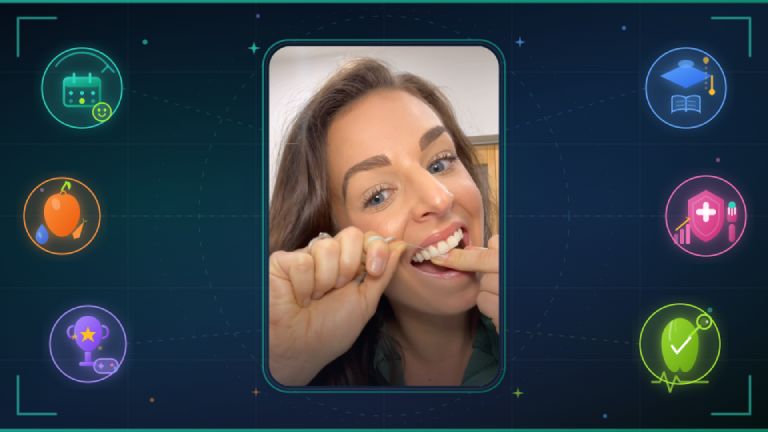
Dentists use checkups to show you how to do each step. They may color plaque on teeth so your child can see missed spots. They may take brushing with a small clock. They may walk you through flossing on a toy mouth.
You can then copy the same steps at home.
- Use a two-minute timer for brushing.
- Stand together at the sink and clean your teeth at the same time.
- Use the same words the dentist used for hard spots to reach.
This match between clinic and home keeps the rules simple. Your child hears one clear message in two places. That builds steady habits that last.
How family dentists teach through every life stage
Family dentists care for infants, teens, adults, and elders in the same office. Every life stage comes with its own risks. You get early warnings and direct advice for each one.
Common oral health needs by life stage
|
Life stage |
Main risks |
Clinic focus |
Home lessons
|
|
Toddlers and young children |
Tooth decay from bottles and snacks |
Fluoride, sealants, parent coaching |
Wipe gums, brush with help, limit juice |
|
School-age children |
Cavities, sports injuries |
Sealants, mouthguard advice |
Independent brushing checks, safe play rules |
|
Teens |
Sugary drinks, tobacco, braces, and challenges |
Diet talks, cleaning around appliances |
Manage soda, clean around wires, protect lips |
|
Adults |
Gum disease, grinding, stress |
Deep cleanings, night guard talks |
Daily flossing, stress relief that protects teeth |
|
Older adults |
Dry mouth, tooth loss, complex medical needs |
Dentures, implants, and medication review |
Moisture support, gentle cleaning, steady checkups |
This whole family view lets your dentist spot patterns. A parent with gum disease often has a child with early plaque buildup. The office can then give both of you focused help and a shared plan.
Using data to back up your home rules
Trusted facts help you stand firm when your child pushes back. You can point to clear numbers, not just your own wishes.
You can share these facts with your child in a simple form.
- Most kids get cavities. You can be the one who does not.
- Fluoride makes teeth harder. Sugar makes teeth weaker.
- Every brushing removes germs that cause pain and bad breath.
Facts like these support your house rules. They show that you are not alone. Your dentist and national health experts stand with you.
Building a home routine that sticks
Strong habits grow from structure. Family dentistry gives you a clear frame. You can then set three firm home rules.
- At the same time, brushing every morning and night.
- No food or drink except water after bedtime brushing.
- Everyone in the house gets checkups on a set schedule.
You can turn these rules into small family rituals.
- Play a song that lasts two minutes at brushing time.
- Use a simple chart and let your child mark each brushing.
- Plan a calm activity after each checkup so the visit links to peace, not fear.
When the office repeats the same rules, your child hears one message from two trusted places. That unity gives your words more force. From toddler sealants to dental implants in Steamboat Springs, family dentistry connects every stage of care.
When problems show up at home
Even with good habits, problems still appear. Your child may grind teeth at night. A teen may hide bleeding gums. You may notice a broken filling or sudden pain.
Family dentists want you to call early. They know that small problems grow into larger ones. Quick visits protect both health and money. You also show your child that pain is not a secret. It is a signal to seek help.
Each urgent visit becomes another teaching moment. The dentist can walk through what caused the problem, how to fix it, and how to prevent the next one. You can then carry that lesson home and fold it into your routine.
Over time, these shared lessons form a strong shield. Your home, your dentist, and clear daily habits work together. That steady teamwork keeps every mouth in your house stronger, cleaner, and ready for each new day.