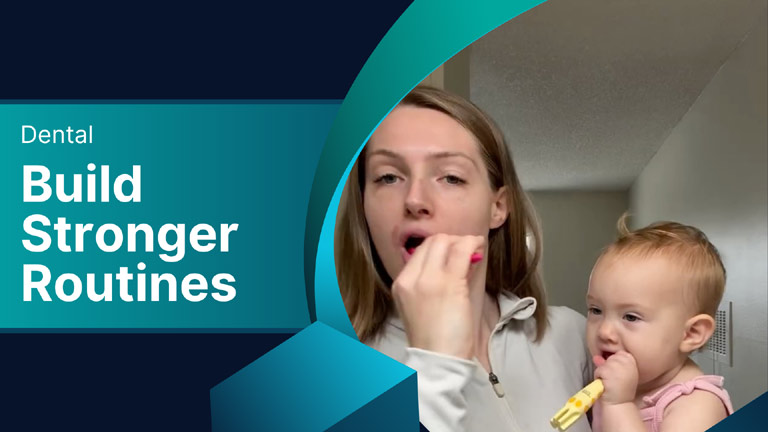
Strong daily habits protect your child’s mouth, speech, and confidence. The hard part is turning them into routines that actually stick. Family dentists understand this struggle. They do more than fix cavities. They guide you, step by step, so you can shape repeatable patterns at home. First, they listen to your worries about stubborn brushing, sugar, or skipped checkups. Next, they show you simple actions that fit your child’s age and your family’s schedule. Then they back you up at every visit with clear feedback and calm coaching. This partnership prevents pain, infection, and fear. With the right support, you can build steady routines that protect your child’s smile for life.
Why your child needs more than “brush twice a day.”
You hear the same message. Brush. Floss. Limit sugar. Yet many children still get cavities and gum problems. The reason is simple. A rule is not a routine. A routine is a set pattern that fits real life. It works even on busy days or tired nights.
Family dentists help you move from rules to routines. They focus on three things. What your child can do today. What your family can manage every day. What will keep working as your child grows. This steady focus keeps small problems from turning into painful infections or missed school days.
How family dentists coach you during cleanings
Each visit is a coaching session for you and your child. The exam is important. The teaching is just as important. You can expect three clear steps.
- Observation. The dentist and hygienist look at plaque, gum health, and worn spots. They see what is getting missed at home.
- Simple feedback. They show you where brushing or flossing is weak. They use mirrors or coloring tablets so your child can see the problem.
- Practice. They walk your child through the right motions. They also show you how to help at home without turning every night into a fight.
This approach matches guidance from the Centers for Disease Control and Prevention on children’s oral health. Regular visits plus home care protect your child from pain and early tooth loss.
Turning dentist advice into daily home routines
Advice only helps if it fits your life. Family dentists work with you to shape routines that match your child’s age and attention span.
|
Age |
Parent role |
Key routine
|
|
0 to 3 years |
You clean every tooth |
Wipe gums and brush your children teeth twice a day with a tiny smear of fluoride toothpaste. |
|
4 to 6 years |
You guide and finish |
Let your child brush first. Then you brush again to reach missed spots. |
|
7 to 11 years |
You check and remind |
Child brushes alone. You check teeth and help with flossing each night. |
|
12 years and older |
You set limits and support |
Child manages routine. You set screen and snack rules and keep visits. |
Every child is different. Your dentist helps you adjust these steps to match your child’s skills and health needs.
Using rewards and routines without fights
You want your child to care about brushing. You also want peace at bedtime. Family dentists help you use simple behavior tools that do not shame or scare your child.
They often suggest three core moves.
- Link brushing to fixed times. Tie brushing to breakfast and bedtime. Not to mood or free time.
- Use short reward charts. Track brushing for one week at a time. Offer small rewards like choosing a book or song.
- Keep language calm. Talk about strength and protection. “Brushing keeps your teeth strong so you can chew and talk well.”
This steady pattern helps your child feel control and safety. It also teaches that mouth care is as basic as washing hands.
Limiting snacks and drinks that damage teeth
Food and drink habits matter as much as brushing. Sweets, sticky snacks, and constant sipping feed the germs that cause cavities. Family dentists help you set clear limits that still feel kind.
They often suggest three simple rules.
- Keep sweets with meals. Avoid constant grazing.
- Offer water between meals. Save juice for rare treats.
- Choose plain milk instead of flavored drinks with sugar.
The National Institute of Dental and Craniofacial Research explains that sugar and time both matter. Frequent sugar hits give germs more power. Your dentist helps you cut that cycle without making your child feel punished.
Why consistent care prevents serious treatment
Strong routines lower the chance of fillings, crowns, and early tooth loss. They also reduce the risk of infections that can spread pain to the jaw or face. When decay runs unchecked, teeth can break or fail. That can lead to complex work such as root canals, extractions, and replacement teeth. It also reduces the need for serious treatments like dental implants in Thousand Oaks or anywhere else.
Family dentists want to keep your child far from that point. They use three tools.
- Early spotting of soft spots and white lines that show early decay.
- Protective sealants on back teeth when needed.
- Fluoride treatments to harden enamel in children at higher risk.
These steps are simple and quick. They rely on a steady pattern of visits and home care. When you and your dentist work as a team, your child is far less likely to need major repair work as a teen or adult.
Building a long-term partnership
The strongest routines grow from trust. Your child needs to feel safe in the chair. You need to feel heard and respected. Family dentists support that by speaking in plain words, inviting your questions, and sharing clear reasons for each step.
You can support the partnership in three ways.
- Keep regular checkups, even when your child seems fine.
- Share changes in health, medicines, or habits.
- Ask for written steps for home so you and your child remember the plan.
Over time, your child sees the dentist as a steady helper, not a threat. That trust makes every routine at home easier. It also gives your child a sense of control and courage that carries into adult life.