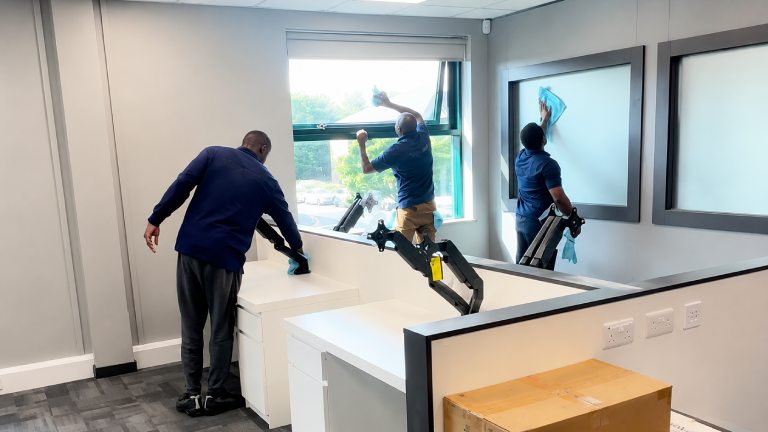
Business leaders exhaustively audit software, workflows, and management strategies in the modern corporate landscape. It helps to reclaim lost hours and optimise output. Yet, one of the most significant variables influencing employee performance hides in plain sight. The physical condition of the workspace.
While a clean office is traditionally viewed as a matter of basic facility maintenance, behavioural science and occupational health data tell a different story. Workplace hygiene is a direct lever for operational efficiency, cognitive clarity, and financial performance.
Here is how the environmental quality of a workspace fundamentally alters corporate productivity. Why business leaders must treat cleanliness as a strategic asset.
The Cognitive Cost of Visual Clutter
A disorganised or dusty office environment forces the human brain to work harder than necessary. Human neurological architecture is highly sensitive to external stimuli. When a workspace is cluttered or poorly maintained. The visual field is constantly bombarded with irrelevant information, forcing the brain to exert conscious energy to filter out the noise.
- Depleted Working Memory: Constant visual exposure to mess, overflowing bins, and dusty surfaces drains mental stamina. This leaves employees with less cognitive energy for deep, analytical task performance.
- Elevated Stress Responses: Studies consistently show that chaotic environments trigger the production of cortisol, the primary stress hormone. High cortisol levels impair decision-making capabilities and accelerate workplace burnout.
- Reduced Focus: Employees operating in clean, highly structured environments experience significantly longer periods of uninterrupted focus. It directly accelerates project delivery timelines.
Combatting the Economic Drain of Presenteeism and Absenteeism
The financial impact of physical illness in the corporate sector is well-documented, but the hidden drain is often underestimated. While sudden absenteeism disrupts daily schedules, presenteeism (where employees attend work while unwell but function at a fraction of their capacity) represents a massive, silent leak in corporate profitability.
High-touch surfaces such as communal desks, keyboards, office kitchen appliances, and meeting room door handles act as primary vectors for bacterial and viral transmission. When a facility relies on superficial surface cleaning rather than thorough, programmatic sanitisation, pathogens spread rapidly through a workforce.
Businesses drastically reduce the viral load within communal areas by implementing strict professional hygiene protocols. Lower transmission rates translate directly to fewer sick days and, more importantly, a workforce that operates at peak physical and mental capacity throughout the year.
Elevating Professional Pride and Employee Retention
The physical environment of a business serves as an unspoken communication channel. It signals the true values of the organisation to both clients and internal staff.
Driving the Return-to-Office Momentum
As corporate leaders navigate the complexities of hybrid work models. It creates an enticing physical destination that is vital. Employees who have spent years working from controlled, clean home environments are highly sensitive to subpar office conditions. A pristine, fresh, and meticulously managed workspace makes the corporate office a desirable destination, naturally supporting return-to-office initiatives.
Attracting Premium Talent and Clients
First impressions are irreversible. When prospective clients or high-calibre job candidates step into a polished reception area. They immediately associate the crisp environment with corporate precision and operational excellence. Conversely, a neglected office signals a culture of corner-cutting, which can quietly damage business relationships before a contract is even discussed.
Transitioning From Reactive Maintenance to Strategic Cleanliness
Maintaining a high-performance office environment requires a shift away from reactive, surface-level dusting towards a proactive environmental strategy. To truly unlock the productivity benefits of a clean workspace, businesses must rely on systematic frameworks:
- Colour-Coded Segregation: Implementing strict colour-coded cleaning systems ensures cross-contamination between washrooms, kitchens, and individual desk spaces is physically impossible.
- Targeted High-Touch Routines: Focusing resource allocation on high-traffic touchpoints during peak operational seasons to break transmission chains.
- Audit-Ready Accountability: Utilising clear, documented cleaning logs to maintain consistent environmental standards day after day.
Optimise Your Workspace Strategy
A clean workplace is a foundational investment in human capital. By eliminating environmental stressors and health risks. You give your team the clear space they need to innovate, collaborate, and perform at their absolute best.
If you are ready to transform your corporate environment from a standard cost centre into a high-yielding productivity engine, we can help. Partner with the commercial cleaning experts at Spark Cleaning Services to build a bespoke, high-performance hygiene schedule tailored precisely to your operational needs.