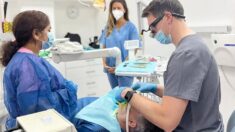
Regular dental exams protect your mouth and your money. You may delay a visit to save time or avoid stress. Then small problems grow. A tiny cavity turns into a root canal. A sore tooth needs a crown. These treatments cost more and cause more pain. Routine exams catch trouble early. Your dentist cleans away hidden plaque. Your dentist checks for weak spots in teeth and gums. Your dentist spots signs of grinding, infection, or oral cancer. Early care often needs only a small filling or simple cleaning. That means fewer visits, lower bills, and less time in the chair.
What Happens During a Routine Exam
A routine exam is simple. It usually includes three steps.
- Cleaning to remove plaque and tartar
- Check of teeth, gums, and bite
- X‑rays when needed
The cleaning removes buildup that brushing and flossing miss. The exam looks for early tooth decay, loose fillings, and gum problems. This full picture lets the dentist act fast while problems are still small.
Why Early Detection Cuts Costs
Tooth decay and gum disease move in stages. Each later stage needs more time, more tools, and more money. Catching a cavity when it is tiny often means a short visit and a small filling. Waiting can mean deep decay, infection, and tooth loss.
The same pattern holds for gum disease. Mild gum swelling can often be reversed with a cleaning and better home care. Advanced gum disease may need deep cleaning, medicine, or surgery. That care costs more and feels harder on your body.
Cost Comparison of Early vs Delayed Care
Costs vary by clinic and region. Still, the pattern stays clear. Early care costs less than delayed care. The table below shows common examples using rough ranges.
|
Problem |
Early Treatment |
Estimated Cost Range |
Delayed Treatment |
Estimated Cost Range
|
|
Small cavity |
Tooth colored filling |
$150 to $300 per tooth |
Root canal plus crown |
$1,500 to $3,000 per tooth |
|
Mild gum disease |
Routine cleaning and home care |
$100 to $200 per visit |
Deep cleaning and more visits |
$800 to $1,600 total |
|
Cracked tooth found early |
Onlay or small crown |
$800 to $1,200 |
Tooth loss and implant |
$3,000 to $5,000 |
|
Early oral cancer |
Local removal |
High but lower than late care |
Late-stage treatment |
Much higher medical and life costs |
These ranges are not exact. They still show a clear truth. A short exam and cleaning cost far less than long, complex work later.
Health Benefits for Your Whole Body
Regular dental exams protect more than your teeth. They support your whole body. The Centers for Disease Control and Prevention explain that poor oral health can raise health risks and increase medical costs. A clean mouth lowers infection and strain on your immune system.
Your dentist can also spot signs of other health problems. Dry mouth can point to certain medicines or health issues. Worn teeth can show stress and grinding. White or red patches in the mouth can warn of early cancer. These signs give you a chance to seek care with your doctor before problems grow.
How Often You Need an Exam
Most people need an exam and cleaning every six months. Some need visits more often. People with diabetes, past gum disease, heavy smoking, or many cavities may need extra care. Your dentist will set a schedule that fits your risk.
The key is steady care. Skipping for a year or more lets plaque harden and decay spread. Regular visits break that cycle. They keep your mouth stable and your costs steadier. The pattern is simple. Small checks often prevent big problems later.
Helping Children Build Strong Habits
Children need regular exams too. Baby teeth matter. They guide adult teeth into place and help with speech and eating. Early loss from decay can cause crowding and pain.
The National Institute of Dental and Craniofacial Research notes that tooth decay is common in children. Regular exams help with three goals.
- Teach brushing and flossing skills
- Use fluoride and sealants to protect teeth
- Catch early crowding or bite problems
These steps cut school absences, tooth pain, and emergency visits. They also teach children that a dental visit is normal care, not a crisis visit.
Simple Steps to Prepare for Each Visit
You can get more from each exam with a few habits. A Chalfont dentist can help you build a steady exam schedule that fits your life. You keep your natural teeth longer. Regular exams are not extra.
- Brush twice a day with fluoride toothpaste
- Floss once a day
- Limit sugary drinks and snacks
- Bring a list of medicines and health changes
- Write down any pain or changes you notice
Planning for Costs and Insurance
Many dental plans cover exams and cleanings at low or no cost, even without insurance, an exam and cleaning cost far less than complex work. Some clinics offer payment plans. Some community health centers offer reduced fees.
You can call ahead and ask.
- What will the exam and cleaning cost
- What will X‑rays cost if needed
- What payment options exist
This clear talk removes fear and surprise. It lets you plan and keeps you from waiting until pain forces a rushed visit.
Taking the First Step
Postponing care may feel easier today. It brings higher costs and deeper pain tomorrow. A simple call to schedule a routine exam starts a different path. You protect your teeth. You protect your wallet. You protect your health.
Regular exams give you control. They turn dental care from crisis to routine. They keep treatment small, simple, and more affordable. That steady care is a strong gift to yourself and to your family.