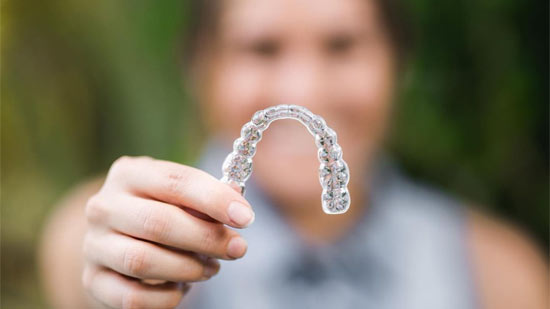
You see patients who wake with sore jaws, loose teeth, or cracked fillings. You hear complaints about morning headaches and tight neck muscles. You notice worn enamel that looks flattened and dull. These signs point to grinding and clenching at night. Left alone, this quiet habit destroys teeth, strains joints, and drains sleep. Night guards offer simple protection. They shield teeth, apply calm pressure on joints, and support long-term oral health. Yet timing matters. You need clear signals for when to step in and recommend one. This blog gives six key indicators you can use chairside. Each one is practical, easy to spot, and tied to real harm you can prevent. You will see how to connect symptoms, exam findings, and patient stories. You will also see how clinics offering family dentistry in Sterling can use these same indicators with both adults and children.
1. Visible Tooth Wear That Does Not Match Age
First, look at the teeth. Flattened cusps, sharp edges, and chipping on multiple teeth signal grinding at night. When this pattern shows on both sides, upper and lower, it rarely comes from chewing alone.
Ask yourself three questions.
- Does the wear look heavy for this age?
- Does the story of diet or habits explain it?
- Do you see matching wear facets on opposing teeth?
If the answer is yes to the first and no to the second, a night guard is reasonable. You protect what is left. You also slow future damage, so later care stays simple.
2. Cracked, Broken, Or Loose Teeth Without A Clear Cause
Next, watch for fractures that do not fit the story. A patient may report that their tooth broke while eating something soft. Repeated cracks in molars and premolars often come from long grinding forces during sleep.
Look for three signs.
- Cracks spreading from the chewing surface down the side
- Fillings that break soon after repair
- Teeth that feel loose without strong gum disease
Here, a night guard can protect the new work and reduce the risk of root fractures. You prevent emergencies that pull families out of school or work.
3. Morning Jaw, Face, Or Head Pain
Many patients do not know they grind. Their bodies tell the story. Morning jaw pain, tight cheeks, or dull headaches near the temples point to heavy muscle use overnight.
Ask clear questions.
- Do you wake with jaw or face pain that fades during the day?
- Do you feel ear fullness with no ear infection?
- Do you press your tongue against your teeth when stressed?
These answers guide you. When morning pain lines up with tooth wear, a night guard becomes more than a comfort step. It becomes a protective tool that can cut pain and protect joints.
The National Institute of Dental and Craniofacial Research explains how jaw problems and pain show up in daily life. Use that to support your message.
4. Jaw Joint Sounds Or Limited Opening
Clicking, popping, or grinding sounds in the jaw joint during opening and closing often track with clenching at night. Some patients also notice their mouth does not open as wide in the morning.
During the exam, check three things.
- Joint sounds on one or both sides during movement
- Deviation of the jaw on opening
- Reduced opening that improves throughout the day
If these signs come with grinding marks on teeth, a night guard may ease the load on the joint. You explain that the device does not cure all joint problems. It does give the joint a calmer place to rest while you track changes.
5. Existing Dental Work At High Risk Of Damage
Patients invest time and money in crowns, bridges, implants, and veneers. Grinding during sleep can shorten the life of that work. Protection is not a luxury. It is a shield.
Use a simple rule of three. Recommend a night guard when the patient has three or more of the following.
- Multiple crowns or large fillings on back teeth
- Any implants in the molar region
- Veneers on front teeth with signs of chipping
- History of broken dental work
Here, you share that a guard spreads forces over a wider surface. It lowers the chance of sudden breaks that need urgent care. The Centers for Disease Control and Prevention also stresses the value of protecting teeth and dental work as part of overall health.
6. Reports From Bed Partners Or Parents
Some of the strongest clues come from others. A spouse may hear grinding at night that sounds harsh. Parents may notice their child clenching during sleep or waking with chewed cheeks.
Invite these voices into the visit with three short questions.
- Has anyone heard you grind or clench at night?
- Does your child grind loud enough to wake you?
- Have you seen cheek or tongue biting during sleep?
When reports match tooth wear or morning pain, you have clear cause to suggest a night guard. For children, you balance growth, comfort, and behavior. You may start with simple monitoring, then move to a guard when wear or pain grows.
Quick Comparison Of Night Guard Options
| Type of night guard | Where made | Fit | Best use |
|---|---|---|---|
| Custom dental night guard | Dental office and lab | Close fit to one arch | Frequent grinding, joint pain, many restorations |
| Boil and bite guard | Store bought | Moderate fit after molding | Short-term use, trial before custom guard |
| Stock guard | Store bought | Loose fit, one size | Very short use when nothing else is ready |
How To Talk With Patients About Night Guards
Patients often blame stress or think grinding is harmless. You can reset that belief with clear, short messages.
- Show photos of wear or cracks in their own mouth
- Explain that a guard does not stop stress but protects teeth during it
- Link protection to family goals like staying pain-free for work and school
End with a simple plan. You identify the indicator. You explain the risk. You offer a guard that fits their mouth and budget. Then you schedule a follow-up to check comfort and wear.
When you use these six indicators, you move from guesswork to clear action. You protect teeth. You cut pain. You support steady health for every family you serve.