Your mouth tells a hard truth about your health. Bleeding gums, loose teeth, or constant bad breath often point to deeper problems in your body. That is why preventive dentistry matters for your whole life, not just your smile. Routine cleanings, checkups, and early treatment lower your chances of heart disease, diabetes problems, and chronic pain. They also protect your sleep, mood, and energy. You deserve care that stops problems before they spread.
When you see a dentist for regular visits, you gain more than polished teeth. You gain control over infection, inflammation, and quiet damage that grows over time. This blog explains how simple habits, steady dental visits, and honest talks with your provider can support your body from head to toe. You can use these steps to protect your health, money, and peace of mind.
How Your Mouth Connects To Your Body
Your mouth is a gate for germs. It is also a mirror of diseases that grow in silence. When you ignore bleeding gums or tooth pain, bacteria enter your blood. Then they travel to your heart, lungs, and other organs.
Research from the Centers for Disease Control and Prevention links gum disease with heart disease and poor control of diabetes. The National Institutes of Health also explains that long-term inflammation in the mouth can raise the risk of some respiratory and pregnancy problems. Your daily brushing and flossing fight more than cavities. They protect the rest of your body.
Common Dental Problems And What They Signal
Do not ignore small oral changes. They often point to wider health trouble. Three common warning signs are:
- Gum bleeding. This can signal early gum disease. It can also be worse in people with diabetes or poor immune health.
- Chronic dry mouth. This may come from some medicines, autoimmune disease, or poorly controlled diabetes.
- Mouth sores that do not heal. These can warn of infection or oral cancer and need quick review.
Routine exams help catch these signs early. You gain time to treat both dental and medical causes before they grow severe.
Preventive Dentistry For Every Stage Of Life
Your needs change as you age. Preventive care should change with you. You can think in three simple stages.
- Children. Need sealants, fluoride, and coaching on brushing. Early visits lower fear and build trust.
- Adults. Need cleanings, gum checks, X-rays when needed, and help with stress, grinding, or diet.
- Older adults. Need screening for root decay, dry mouth, medication side effects, and oral cancer.
Each stage can either build strength or add strain to your body. Routine care guides you toward strength.
What Regular Dental Visits Actually Do
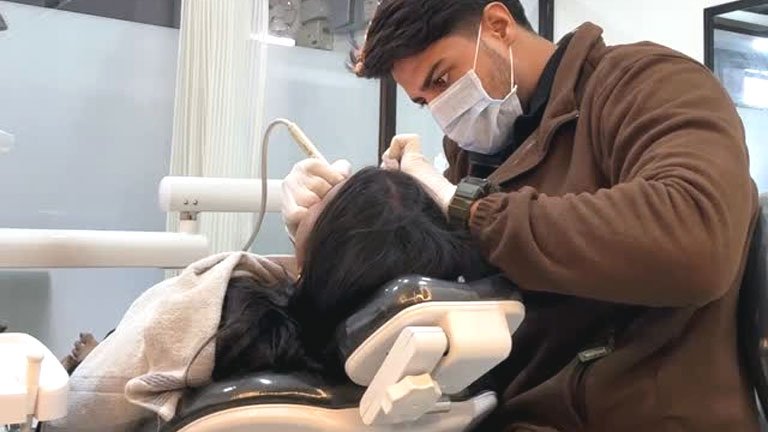
During a preventive visit, your dental team does more than scrape plaque. They often:
- Review your medical history and medicines.
- Check blood pressure and sometimes blood sugar.
- Screen for oral cancer on the tongue, cheeks, and throat.
- Measure gum pockets to track gum disease.
- Clean plaque and tartar to lower infection.
- Teach brushing and flossing skills that fit your life.
These steps work together. They lower pain, cut infection, and guard your heart, lungs, and brain from constant strain.
How Good Oral Health Supports Wellness
Preventive dentistry touches many parts of your daily life. It supports:
- Nutrition. Healthy teeth let you chew fruits, vegetables, and lean protein. This keeps blood sugar steadier and weight more stable.
- Speech and social life. A healthy mouth helps you speak clearly and smile without fear. This supports work, school, and family ties.
- Sleep. A trained dentist can spot signs of teeth grinding and airway problems that disturb sleep.
These gains are not about looks. They protect your ability to eat, speak, rest, and connect with others.
Prevention Versus Treatment: Time, Pain, And Cost
| Type of care | Common reason | Typical visit time | Estimated pain level | Estimated cost range |
|---|---|---|---|---|
| Regular cleaning and exam | Healthy mouth check | 45 to 60 minutes | Low | Low |
| Small filling | Early cavity | 30 to 45 minutes | Low to medium | Medium |
| Root canal and crown | Deep decay and infection | 2 to 3 visits | Medium to high | High |
| Tooth removal and replacement | Advanced damage or gum disease | Several visits | High | Highest |
Short, steady visits protect you from long, painful, costly procedures. You gain more comfort and more control.
Three Daily Habits That Protect Your Whole Body
You can support your wellness with three simple habits.
- Brush twice a day. Use a soft brush and fluoride paste. Aim for two minutes each time. Reach the gumline and back teeth.
- Clean between teeth once a day. Use floss, picks, or small brushes. This clears food and plaque that brushing misses.
- Limit sugar and tobacco. Choose water and unsweetened drinks. Avoid smoking and vaping. These raise the risk of gum disease and cancer.
The National Institute of Dental and Craniofacial Research explains that these steps lower gum disease and tooth loss. They also cut the load of inflammation your body must fight every day.
When To Call Your Dentist Right Away
Some signs mean you should not wait for your next checkup. Call a dentist in Panama City Beach, FL if you notice:
- Sudden tooth pain that keeps you awake.
- Swelling in your face or jaw.
- Gums that bleed every time you brush.
- Loose teeth in an adult mouth.
- White or red patches that do not heal in two weeks.
- Bad breath that stays even after brushing.
Quick action can stop infection from spreading through your body. It also protects your airway and brain from rare but severe problems.
Taking The Next Step For Your Health
You have a strong influence over your health. You can use preventive dentistry as one of your clearest tools. Start with three moves. First, schedule a cleaning and exam if you are overdue. Second, set a fixed time each morning and night for brushing and flossing. Third, share your full medical history and medicine list with your dentist.
These steps are simple. They protect your mouth, heart, and mind. They help you keep your strength for the people who count on you.