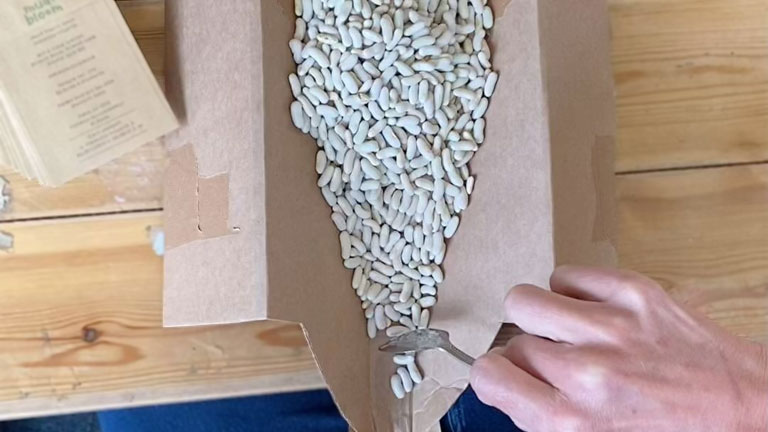
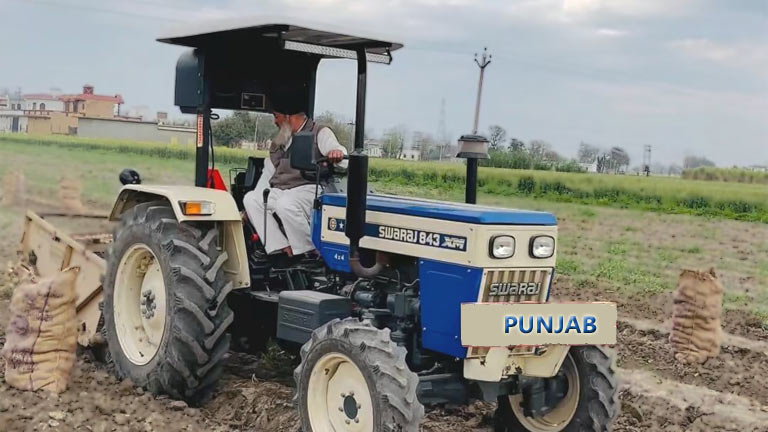
Punjab is the land of hard-working farmers. Agriculture is the main occupation of many people in Punjab. Punjab is also known as the Food Basket of India. The state played an important role in the Green Revolution in India and became one of the country’s leading agricultural states.
Punjab has fertile soil, good irrigation facilities and a suitable climate for growing many crops. Wheat and paddy are the two major crops of Punjab. However, farmers also grow maize, cotton, sugarcane, mustard, pulses, vegetables and other crops.
Why Is Punjab Important for Agriculture?
Punjab has fertile agricultural land and a strong irrigation network. These factors have helped farmers achieve high crop productivity.
The state also has different soil and climatic conditions. Because of this, farmers in different parts of Punjab grow different crops.
Punjab Agricultural University (PAU) regularly provides crop recommendations for Punjab. Its latest packages cover cereals, pulses, oilseeds, cotton, sugarcane and other crops.
Agriculture and the Green Revolution in Punjab
Punjab played an important role in the Green Revolution in India. The Green Revolution developed during the mid-1960s and expanded through high-yielding varieties, irrigation, fertilizers, improved farming practices and government support.
Punjab became one of the main centres of this agricultural transformation. Wheat production increased rapidly, and rice also became an important crop later.
The success of Punjab helped India increase food-grain production. It also changed farming practices across the state.
The Main Crops Grown in Punjab during the Kharif and Rabi Seasons
In the Punjabi language, the Kharif season is commonly known as Sauni (ਸਾਉਣੀ). The Rabi season is known as Harhi or Haari (ਹਾੜੀ).
Kharif crops are mainly grown during the monsoon and warmer months. Rabi crops are mainly grown during the cooler winter months.
The main crops grown in Punjab during these seasons are shown below:
| Crop | Season | Punjabi Season | General Crop Period |
|---|---|---|---|
| Paddy/Rice | Kharif | Sauni | Summer and monsoon |
| Maize | Kharif/Rabi | Sauni/Harhi | Varies by crop and region |
| Cotton | Kharif | Sauni | Spring to autumn |
| Moong | Kharif/Summer | Sauni | Short-duration crop |
| Mash | Kharif | Sauni | Summer to autumn |
| Wheat | Rabi | Harhi | Winter to spring |
| Mustard | Rabi | Harhi | Winter to spring |
| Chickpea | Rabi | Harhi | Winter to spring |
| Barley | Rabi | Harhi | Winter to spring |
| Sunflower | Rabi | Harhi | Winter to early summer |
| Sugarcane | Long-duration | — | Several months to about a year |
Crops Grown during the Kharif or Sauni Season in Punjab
The Kharif or Sauni season is mainly linked with the monsoon and warmer months. Punjab farmers grow several important crops during this period.
Paddy
Paddy is one of the most important crops grown in Punjab. It is mainly grown during the Kharif season.
Punjab Agricultural University recommends timely nursery sowing and transplanting. For the 2023-24 crop, paddy occupied about 31.79 lakh hectares in Punjab, with total paddy production of about 214.26 lakh tonnes.
PAU recommends short-duration paddy varieties because they can help save irrigation water and allow farmers to sow the following wheat crop on time.
Direct-seeded rice is also being promoted as a water-saving method in suitable fields.
Maize (Corn)
Maize is an important crop that can be grown in more than one season in Punjab. It is grown during Kharif in many areas and can also be grown during winter or spring depending on the region and farming system.
Maize is also important for crop diversification because it can provide an alternative to the traditional paddy-wheat cycle.
Bajra (Pearl Millet)
Bajra is grown in some parts of Punjab. It is more suitable for areas and conditions where other crops may not perform as well.
Cotton
Cotton is an important Kharif crop in the cotton-growing areas of Punjab, particularly in the southern parts of the state.
The sowing period depends on weather, soil conditions and local recommendations. Cotton remains an important crop for farmers in the state’s cotton belt.
Pulses
Punjab farmers grow several pulses. Important Kharif pulses include green gram or moong and black gram or mash.
Other pulses such as chickpea and lentil are mainly associated with the Rabi season.
Other Kharif Crops
Other crops grown in Punjab during the Kharif season include soybean, groundnut and sesame in suitable areas.
Punjab Agricultural University lists paddy, maize, basmati, moong, mash, soybean, groundnut and other crops among the important Kharif crops for the state.
Crops that Grow during the Rabi or Harhi Season in Punjab
The Rabi or Harhi season is the main winter cropping season in Punjab. The weather is cooler, which is suitable for crops such as wheat, mustard, barley and chickpea.
Wheat
Wheat is the main Rabi crop of Punjab. It is normally sown during the winter sowing period and harvested in spring.
Wheat is one of the main reasons Punjab is known as an important food-producing state.
According to Punjab Agricultural University data, wheat covered about 35.158 lakh hectares and produced about 181.76 lakh tonnes in Punjab during 2023-24.
Good irrigation facilities, fertile soil, suitable weather, improved varieties and farm mechanization have helped Punjab achieve high wheat productivity.
Barley
Barley is another Rabi cereal crop grown in Punjab. It is cultivated on a smaller area than wheat.
It can be grown in suitable soils and farming conditions during the winter season.
Mustard (Rapeseed and Mustard)
Mustard is an important oilseed crop grown during the Rabi season.
Farmers generally sow mustard during the cooler part of the year. The crop is harvested in spring.
Mustard is also one of the crops being considered for crop diversification in Punjab.
Chickpea
Chickpea, also called gram or chhole, is mainly grown as a Rabi pulse.
It is more common in suitable areas where soil and water conditions support its cultivation.
Lentil
Lentil, locally known as massar, is another Rabi pulse grown in Punjab.
Punjab Agricultural University continues to recommend improved lentil varieties and production practices for Punjab farmers.
Sunflower
Sunflower is an oilseed crop that can be grown in suitable parts of Punjab. It can also fit into certain crop rotations.
Its cultivation depends on local soil, water availability and the farming system.
Sugarcane
Sugarcane is an important commercial crop in Punjab. It is a long-duration crop and should not be treated simply as a Rabi crop.
It can be planted during different periods depending on the production system. The crop remains in the field for a much longer period than most seasonal crops.
Other Rabi Crops and Vegetables
Other Rabi crops and farm products grown in Punjab include vegetables, potato, onion, fodder crops and other oilseeds and pulses.
Punjab’s Wheat-Rice Cropping System
The wheat-rice cropping system is one of the most common farming systems in Punjab.
Paddy is generally grown during the Kharif season. Wheat is then planted during the Rabi season.
This system has helped Punjab produce large quantities of food grains. However, continuous cultivation of the same crops has also created concerns about soil health, crop diversity and groundwater use.
Why Is Paddy Cultivation a Concern for Punjab?
Paddy requires a large amount of irrigation water. Punjab depends heavily on groundwater for agriculture, so paddy cultivation has placed pressure on groundwater resources in many areas.
Punjab Agricultural University is encouraging farmers to use water-saving practices. These include short-duration paddy varieties, direct-seeded rice and improved irrigation management.
In 2026, PAU also continued campaigns to promote short-duration paddy varieties because of declining groundwater levels and pressure on natural resources.
Farmers are also being encouraged to consider crops such as maize, pulses, oilseeds and horticultural crops where they are suitable.
Groundwater Depletion in Punjab
Groundwater depletion is one of the major agricultural concerns in Punjab.
The repeated wheat-paddy cycle and high irrigation demand have contributed to pressure on groundwater resources.
The problem is not the same in every part of Punjab. Water availability, soil type, rainfall and cropping patterns differ from one area to another.
Water-saving irrigation methods and crop diversification can help reduce pressure on groundwater.
Crop Diversification in Punjab
Crop diversification means growing a wider range of crops instead of depending mainly on wheat and paddy.
Maize, pulses, oilseeds, vegetables, fruits and other crops can provide alternatives in suitable areas.
Punjab Agricultural University and the state agriculture department are promoting crop diversification along with water-saving farming methods.
In 2026, PAU reported increased use of direct-seeded rice and basmati cultivation while also promoting alternative crops such as maize, oilseeds, pulses and horticultural crops.
Which Crops Are Grown in Different Parts of Punjab?
Punjab does not have the same farming conditions everywhere. The crops grown by farmers can change according to soil, rainfall, groundwater availability and irrigation facilities.
Wheat and paddy are widely grown across the state. Cotton is especially important in the southern cotton-growing areas. Other crops such as maize, pulses, oilseeds, vegetables and sugarcane are grown in suitable areas.
This is why farmers often select crops according to their local soil, weather, water availability and market conditions.
Frequently Asked Questions About Crops Grown in Punjab
What is the main crop of Punjab?
Wheat is the main Rabi crop of Punjab, while paddy is one of the main Kharif crops. Together, wheat and rice have played a major role in Punjab’s agricultural economy.
What are the Kharif crops of Punjab?
Major Kharif crops include paddy, maize, cotton, moong and mash. Soybean, groundnut and sesame are also grown in suitable areas.
What are the Rabi crops of Punjab?
Major Rabi crops include wheat, barley, mustard, chickpea, lentil and sunflower. Vegetables and fodder crops are also grown during this season.
What are Kharif and Rabi called in Punjabi?
Kharif is commonly called Sauni (ਸਾਉਣੀ) in Punjabi. Rabi is commonly called Harhi or Haari (ਹਾੜੀ).
Why is Punjab famous for agriculture?
Punjab is famous for agriculture because of its fertile land, irrigation facilities, suitable climate, high farm productivity and important role in India’s food-grain production.
Why is paddy cultivation a concern in Punjab?
Paddy needs substantial irrigation. Heavy dependence on groundwater for paddy cultivation has contributed to groundwater pressure in many parts of Punjab. This is one reason why water-saving methods and crop diversification are being promoted.
Conclusion
Punjab has different agricultural zones and farmers grow many types of crops. Wheat and paddy remain the most important crops, but maize, cotton, sugarcane, mustard, pulses, vegetables and other crops also have an important place in Punjab agriculture.
The future of Punjab agriculture will depend not only on production but also on saving groundwater, maintaining soil health and finding profitable alternatives to the traditional wheat-paddy cycle.