New tools are changing how you and your family feel at the dentist. You now see clearer images, hear faster answers, and get treatment that fits your mouth with more precision. You also spend less time in the chair. Digital scanners replace sticky impression trays. Safer X-rays use lower radiation and show problems earlier. Simple text reminders help you keep visits on track. Online forms cut down on paperwork. Teledentistry lets you handle quick questions from home. These changes reduce fear and confusion. They give you more control over your care. They also help your dentist focus on what matters most.
Digital X-Rays And 3D Images
Older X-rays took longer and used more radiation. New digital X-rays use less radiation and show clearer pictures on a screen in seconds. You can see the same image your dentist sees. That builds trust. It also helps you understand problems before they grow.
Three-dimensional scans show teeth, roots, bone, and nerves in detail. These images guide treatment for implants and root canals. They also help find decay and infection early. Early treatment often means less pain and lower cost.
Digital Impressions And Same-Day Restorations
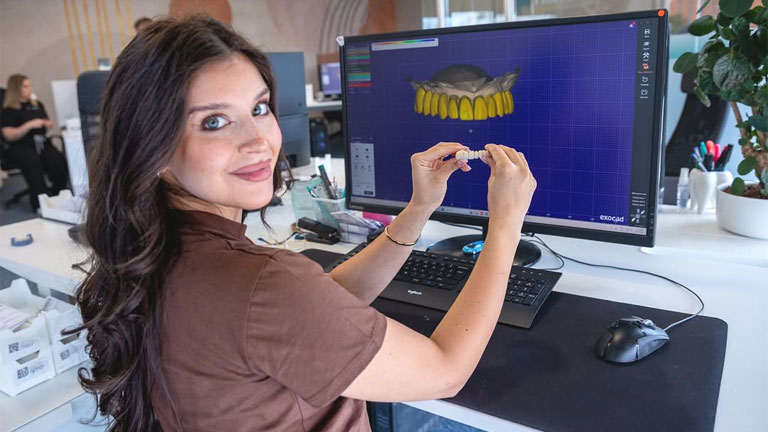
Many patients fear the old impression trays. Thick paste, long waits, and gag reflex made visits hard. Digital scanners now use a small camera that moves around your teeth. The scan is quick and clean. You breathe and talk right after.
Then, the computer software designs a custom filling, crown, or bridge. In some offices, a small milling machine shapes the new tooth in the same visit. You leave with a finished restoration instead of a short-term one.
| Feature | Traditional impressions | Digital scans |
|---|---|---|
| Comfort | Thick trays in the mouth | Small camera only |
| Time in chair | Several minutes per tray | Often under two minutes per arch |
| Need to repeat | Higher chance of errors | Easy to rescan small spots |
| Storage | Physical models | Secure digital files |
This change is great for children and for people with a strong gag reflex. It gives more control and less stress.
Safer Tools And Better Infection Control
Modern dentistry uses cleaner water systems and single-use tools when needed. Many offices, like dental crowns in Uniontown, OH use closed water lines and tested filters. These steps protect your family from germs.
Laser tools can treat gums and small cavities with less cutting. For some small spots, you may not need numbing. That can calm children who fear needles.
Updated suction tools keep the mouth cleaner during work. You swallow less debris. You also reduce aerosols in the room. That protects you and the team.
Teledentistry And Virtual Check-Ins
Teledentistry lets you connect with your dentist by phone or video. You can show a broken tooth or a sore spot. Then you can ask if it needs urgent care or if it can wait.
This can help you:
- Decide if a child needs an emergency visit
- Review treatment after a procedure
- Check healing after surgery
Telehealth does not replace cleanings or full exams. It adds a new path when travel is hard. Families with tight schedules or who live far from care can still get timely guidance.
The Health Resources and Services Administration explains how telehealth expands access to care for many families.
Smart Reminders And Online Tools
Many offices now use text and email reminders. You pick the time and method that works for you. These alerts help you keep regular exams and cleanings. They also help you plan around school and work.
Online forms let you share health history and insurance details from home. That cuts waiting room time and lowers stress on busy days. Secure portals can store X-rays, treatment plans, and payment records.
Some systems also track treatment steps. For example, you may see when a crown is ordered, made, and placed. Clear steps remove mystery and fear.
Comfort Tools For Children And Anxious Patients
Technology can calm the mind. Many offices now offer:
- Ceiling screens with shows or nature scenes
- Noise-canceling headphones
- Small handheld toys or stress balls
Digital numbing tools can control how fast medicine enters the tissue. That can reduce the sting. New gels and rinses help manage dry mouth or minor sores.
These tools do not replace kind words or clear talk. They do support them. When your child sees screens, lights, and quiet tools instead of loud drills, fear often drops.
What This Means For Your Family
These trends all point in one direction. Shorter visits. Clearer information. Safer care. The result is less fear and more trust.
When you look for a family dentist, you can ask three simple questions.
- Do you use digital X-rays and digital impressions?
- Do you offer teledentistry for quick questions?
- How do you use technology to reduce pain and save time?
Your dentist should answer in plain words. You deserve to know how each tool protects your health and your budget.
Technology will keep changing. Your needs as a parent stay steady. You want safety, clear talk, and respect for your time. Modern dentistry can meet those needs when tools and human care work together.