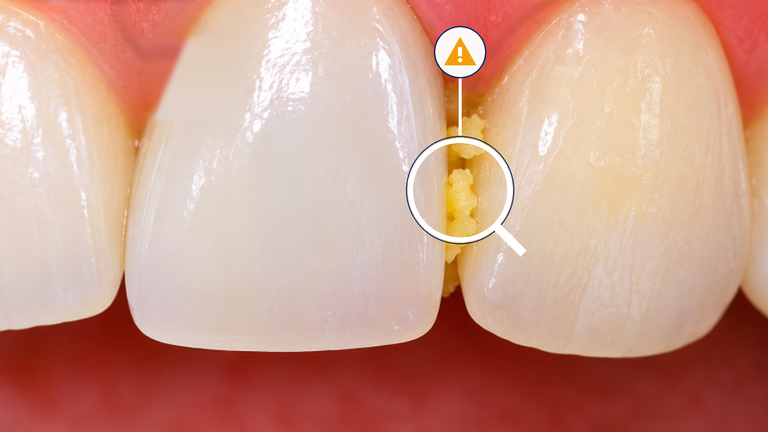
You notice it when you eat. A seed, a shred of meat, even soft bread keeps packing into the same spot beside a veneer, and once you feel it, you cannot ignore it. You may be wondering whether the veneer is failing, whether decay is starting underneath it, or whether this is just something you have to live with. It is frustrating because veneers are supposed to make your smile easier to enjoy, not turn every meal into a cleanup job.
A food trap beside a veneer usually means something in that area is catching debris instead of letting it slide past with normal chewing and saliva flow. The cause may be minor, such as a rough edge or a gap, or it may point to a deeper issue with the tooth, gum, bite, or contact between teeth. A general and cosmetic dentist looks at all of those pieces, then decides whether the fix is simple polishing, contouring, gum care, or replacing the veneer.
Food Traps Beside Veneers Often Start With Shape, Fit, Or Gum Changes
When a dentist evaluates a food trap beside A dental veneer, the first concern is not the food itself. The concern is why that space is acting differently. Teeth are meant to touch in a way that guides food away from the gumline. If that contact is too open, too tight in the wrong place, overbulked, chipped, or poorly contoured, food gets pushed into the gap instead of away from it.
Gum changes matter too. If the gum between the teeth has receded or become inflamed, a spot that once felt sealed can start collecting debris. If plaque sits there day after day, the tissue can get sore, puffy, and prone to bleeding, which makes the area feel even worse. You may start flossing harder to compensate, then the gum gets more irritated, and the cycle keeps going.
Decay is another concern. Veneers cover the front surface of a tooth, not the whole tooth. The edges and the natural tooth next to the veneer can still develop problems. A dentist may recommend a dental exam to check the veneer margins, gum health, bite, and nearby teeth before deciding what treatment makes sense.
Sometimes the issue is not the veneer at all. A cavity between teeth, a cracked filling on the neighboring tooth, tartar buildup, or a bite shift can create the same “food always gets stuck here” feeling. That is why a careful food trap beside a veneer evaluation goes beyond a quick glance.
General Dentists Check The Veneer, The Neighboring Teeth, And Your Bite
The exam usually starts with your story. Your dentist wants to know when the trapping began, what foods trigger it, whether you have pain or bleeding, and whether the veneer feels different when you floss. Those details help narrow the cause. If the problem started suddenly, a chip or movement in the contact area may be involved. If it built up slowly, gum changes or wear may be part of the picture.
Then comes the hands-on exam. The dentist checks the contact between the veneer tooth and the next tooth with floss. They look for a ledge, gap, rough margin, overhang, or contour that directs food downward. They also inspect the gum tissue for swelling, bleeding, recession, or a pocket that could be collecting debris. If the area is tender or inflamed, they may discuss gum disease as part of the problem, because unhealthy tissue often makes food packing worse.
X-rays may be used to look for decay, bone loss, open contacts, or issues on the sides of the teeth that you cannot see in the mirror. If you have pain with pressure or temperature, your dentist may also test the tooth to rule out deeper irritation. In some cases, the bite is the hidden cause. If the veneer tooth or the tooth next to it takes excess force, the teeth can shift slightly over time, changing how they meet and opening a trap.
This is where a general dentist veneer check becomes more than cosmetic. The goal is to protect the veneer, the natural tooth, and the gum around both.
Small Food Traps Can Turn Into Gum Problems And Decay
It is easy to put this off because the area may not hurt much at first. Then you start avoiding one side when you chew, carrying floss picks everywhere, or noticing bad taste and bleeding after meals. Food that repeatedly packs under the gum can feed bacteria, irritate tissue, and make cleaning harder.
If the veneer margin is defective, waiting can also make the repair more involved. A spot that might have been corrected with reshaping or polishing may later need replacement if leakage, fracture, or decay develops. That does not mean every food trap is an emergency. It does mean it deserves a proper look.
What Dentists Compare Before Recommending Treatment
|
Finding |
What It Can Mean |
Possible Treatment |
|
Open contact between teeth |
Food slips into the gap during chewing |
Bonding, contour adjustment, or veneer replacement |
|
Rough or overcontoured veneer edge |
Debris catches on the surface or is pushed toward the gum |
Polishing or reshaping if the veneer is otherwise sound |
|
Gum inflammation or recession |
Tissue no longer fills the space well, making trapping easier |
Professional cleaning, home care changes, gum treatment |
|
Decay on the side of the tooth or adjacent tooth |
The trap is a symptom of a larger structural problem |
Filling, veneer replacement, or other restorative care |
|
Bite imbalance or tooth movement |
Pressure changes the contact over time |
Bite adjustment, restoration update, monitoring |
Three Steps You Can Take Right Away
Track the pattern. Notice which foods get stuck, whether your gums bleed, and whether floss shreds or slides through too easily. That small detail helps your Experienced dental team in Knoxville identify whether the issue is contact, contour, or tissue-related.
Clean gently, not aggressively. Keep the area clean with floss or an interdental aid, but do not saw hard into the gum to “dig out” food. Repeated trauma can make swelling worse and blur the real problem.
Book a prompt exam with a general and cosmetic dentist. If food traps keep happening in the same place, especially near a veneer, you need a direct look and possibly X rays. Early treatment is usually simpler and less expensive than waiting for gum damage or decay.
Relief Starts With A Clear Diagnosis
You are not overreacting if one small spot beside a veneer is ruining meals or making you worry. That repeated food trap is often your first sign that the tooth contact, veneer contour, gum tissue, or neighboring tooth needs attention. Once the cause is identified, the fix is often straightforward, and you can get back to eating without thinking about that same annoying spot every time.
If this keeps happening, schedule an exam with a general and cosmetic dentist and get the area checked before it turns into a bigger repair.