A visit to a heart specialist for your pet can stir up fear, guilt, and a rush of questions. You might worry you missed the early signs. You might fear bad news. This blog explains what happens during a veterinary cardiology appointment so you know what to expect before you walk through the door. You learn how the heart check works, who will see your pet, and what tests they may use. You also see how you can prepare, what questions to ask, and what happens after the visit. The goal is simple. You leave with clear steps, fewer doubts, and a plan for your pet’s care.
How To Get Ready Before You Arrive
Good planning makes the visit calmer for you and your pet. Bring three things.
- Any records from your regular vet
- A list of your pet’s medicines and doses
- Your questions and your main worries
Many cardiology clinics ask that you limit food for a short time before the visit. Some tests work best on an empty stomach. Call ahead and ask about food and water rules. Also, ask if your pet should stay on regular heart or blood pressure medicine that day.
Think about your pet’s stress. You can bring a favorite blanket. You can use a carrier that feels safe. You can also plan extra travel time so you are not rushed.
Who You Will Meet At The Clinic
You meet three key people.
- The front desk staff who handle check-in and forms
- The veterinary nurse who weighs your pet and takes a short history
- The cardiologist who reviews the heart and explains the plan
The cardiologist has additional training in veterinary cardiology. A board-certified veterinary cardiologist completes years of advanced study and exams. You can read more about these specialists in the American College of Veterinary Internal Medicine’s overview.
What Happens During The First Exam
The visit starts with questions. The cardiologist asks about your pet’s energy, cough, breathing, fainting, and sleep. You share what you see at home. Small details help. For example, how far your dog can walk before stopping or how often your cat rests by the water bowl.
Next comes the physical exam. The cardiologist will usually
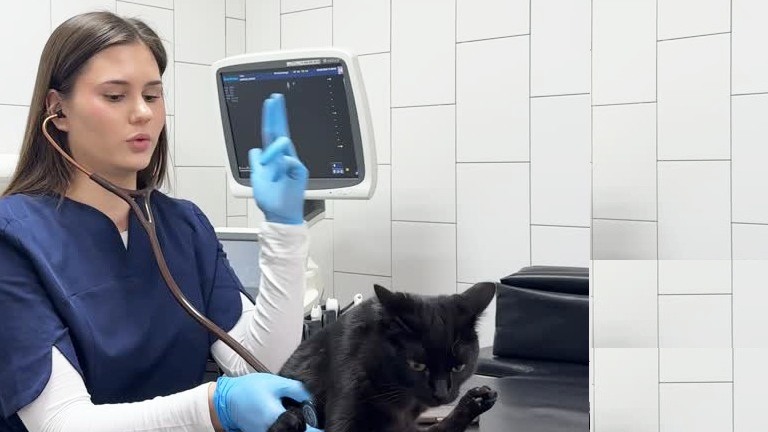
- Listen to the heart and lungs with a stethoscope
- Check heart rate and rhythm
- Feel pulses in the legs
- Look for fluid in the belly or swelling in the limbs
- Check gum color and breathing pattern
These steps guide which tests your pet needs. Some pets need only one simple test. Others need a full group of tests to get a clear picture.
Common Heart Tests For Pets
Heart tests sound scary. Knowing what each one does can ease your fear.
- Chest X-rays. Show heart size and lung changes.
- Echocardiogram. Uses sound waves to show heart chambers and valves in motion.
- Electrocardiogram (ECG). Measures the electrical rhythm of the heart.
- Blood pressure check. Uses a cuff on a leg or tail.
- Blood tests. Check organ function and some heart-related proteins.
The American Veterinary Medical Association explains why regular exams and tests matter for early heart disease.
Will Your Pet Need Sedation
Most heart tests work best when your pet is awake and calm. Sedation can change heart rate and blood pressure. Many pets do fine with gentle holds and quiet voices. Some clinics use mild calming medicine only when needed. The cardiologist explains risks and benefits before any sedation. If you are seeking cardiology for pets in Longwood, this guide helps you feel steadier and ready for that first appointment.
How Long Will the Visit May Take
Plan for two to three hours for a first visit. Time includes
- Check in and history
- An exam by the cardiologist
- Tests and short waits between tests
- Review of results and treatment plan
Some results come the same day. These include the exam, X-rays, ECG, and echocardiogram. Some blood tests may return the next day. The clinic tells you when to expect each result.
Understanding The Diagnosis
When the tests finish, the cardiologist explains what they show. You may hear that your pet has
- A heart murmur from a valve leak
- A thick or weak heart muscle
- An abnormal rhythm
- High blood pressure
Ask for clear language. You can request three simple points. What is wrong? What can help? What to watch at home. You can also ask for written notes so you do not have to remember every word.
Treatment And Home Care
Treatment often uses three tools.
- Medicine to ease strain on the heart or clear extra fluid
- Diet changes, such as lower salt or weight control
- Activity changes that match your pet’s strength
Some pets need regular follow-up visits. Others need only rare checks. Many pets with heart disease live for years with steady care. The key is to give medicine exactly as directed and to watch for changes in breathing, cough, or energy.
Questions To Ask Before You Leave
Clear questions can protect your pet and your peace of mind. You can ask
- What is the exact name of the heart problem
- What is the goal of each medicine
- What signs mean an urgent visit right away
- How often are follow-up visits needed
- Who to call after hours if you worry
Leaving With A Plan And Less Fear
A cardiology visit can feel heavy. You might walk in with fear and guilt. You should walk out with clarity and a plan. You know what is wrong, what you can do, and how to reach help. That knowledge cannot erase worry. It can still give you a stronger sense of control as you care for your pet’s heart.