You probably sense that animal clinics keep bringing up spay and neuter programs for a reason. They are not just ticking a box on a checklist. They are trying to help you protect your pet’s health and also respond to a much bigger problem you can see in shelters and on the streets. Because of this tension, you might be wondering where the truth really lies and what is best for your animal.
Here is the short version. Spay and neuter programs are at the heart of every responsible animal clinic because they do three things at once. They prevent avoidable disease. They reduce unwanted litters and overcrowded shelters. They support calmer, safer behavior in many pets. Understanding how and why this works can make the decision feel a lot less heavy and a lot more intentional.
Why do clinics keep stressing spay and neuter care for dogs and cats?
Think about how quickly one unplanned litter can turn into many more. A single unspayed female cat and her offspring can produce dozens of kittens over a few years. Animal clinics see the result of this every day. Overwhelmed shelters. Healthy animals with nowhere to go. Tough choices that break hearts.
From your side, the problem often starts smaller. Maybe you brought home a puppy or kitten and thought you would “decide about surgery later.” Time passed, life got busy, and now your pet is approaching maturity. You might feel guilty for waiting or nervous that you missed the “right” age. That sense of being behind can make every new piece of information feel heavier.
The American Veterinary Medical Association has reviewed early spaying and neutering in depth. Their guidance on prepubertal spay and neuter for dogs and cats explains that, when done carefully, early surgery can be safe and effective. The ASPCA also offers clear, pet-owner-focused information on why it helps to spay or neuter your pet. You are not alone in wrestling with the choice. Many people pause at this step.
So, where does that leave you when you care deeply about your pet, yet you feel pulled in different directions by emotion, cost, and fear of regret?
What are the real risks and benefits of spay and neuter programs?
It helps to lay out the picture clearly. On the one hand, there are understandable worries. Surgery always carries some risk. There is the cost of the procedure. There is concern that your dog will gain weight or your cat will lose their spark. On the other hand, there are very real health and behavior benefits that are easy to overlook when fear is loud.
Here are some of the most common concerns and how they usually play out in an animal clinic setting.
Health challenges if you skip surgery
Unspayed female dogs and cats can develop pyometra, a serious and often life-threatening infection of the uterus. Treating pyometra usually means emergency surgery, often at a much higher cost and risk than a planned spay. Female animals that are not spayed are also more likely to develop mammary tumors, some of which are cancerous.
Unneutered males face their own health risks. These include testicular cancer and a higher chance of prostate problems. They are also more likely to roam, fight, or be injured in traffic or conflicts with other animals. Many of the crises veterinarians see in emergency rooms trace back to hormones that could have been managed with surgery.
Behavior and safety worries
You might have heard that neutering will “fix” every behavior issue. That is not true. Training and environment still matter. Yet hormones drive a lot of common problems. Roaming in search of a mate. Mounting. Fighting with other males. Urine marking in the home. By reducing hormone-driven urges, spaying and neutering services often make it easier for your pet to focus and respond to training.
There is a safety piece, too. A dog that slips out of a gate because they smell a female in heat is more likely to be hit by a car or picked up as a stray. A cat that roams to mate is more likely to be injured, get infections, or disappear. Removing the hormonal push to wander can quite literally keep your animal alive.
Emotional and financial pressure on you
There is a quiet emotional cost of dealing with repeated heat cycles in female pets. The mess. The change in behavior. The worry about an accidental pregnancy. There is also the financial reality of caring for a surprise litter. Food, vaccines, deworming, and finding safe homes are not small tasks. Many owners start out thinking they will just have “one litter” and end up overwhelmed by the responsibility.
When animal clinics talk about why spay and neuter programs are central, they are not trying to push you. They are trying to protect you from the kind of midnight emergencies and hard decisions they see every week.
What practical steps can you take with your animal clinic right now?
Knowing that spay and neuter programs are central to an animal clinic in Newmarket is helpful, but you still need clear next steps. Here are some actions that can make the path forward simpler and kinder to both you and your pet.
1. Have an honest age and timing conversation with your vet
Age and breed matter. Some dogs do better with earlier surgery. Others benefit from waiting a bit, especially large breeds. Cats are often spayed or neutered before sexual maturity to prevent the first heat or roaming phase. Bring your pet’s full story to your veterinarian. Size, breed mix, current behavior, and any health issues. Ask specific questions about timing, risks, and benefits for your individual animal.
If you like to read ahead, review the AVMA’s guidance on early age spay and neuter so you feel prepared for that talk.
2. Plan financially and explore support options
Cost is a real barrier for many people. There is nothing shameful about that. Talk with your animal clinic about the full estimate, including pre-surgical bloodwork, pain control, and follow-up visits. Ask if they partner with any local low-cost spay and neuter surgical societies.
The ASPC follow-up spaying and neutering your pet often lists or links to resources that can help locate affordable clinics. Some communities offer vouchers or mobile clinics that reduce the price significantly.
3. Prepare a calm recovery plan at home
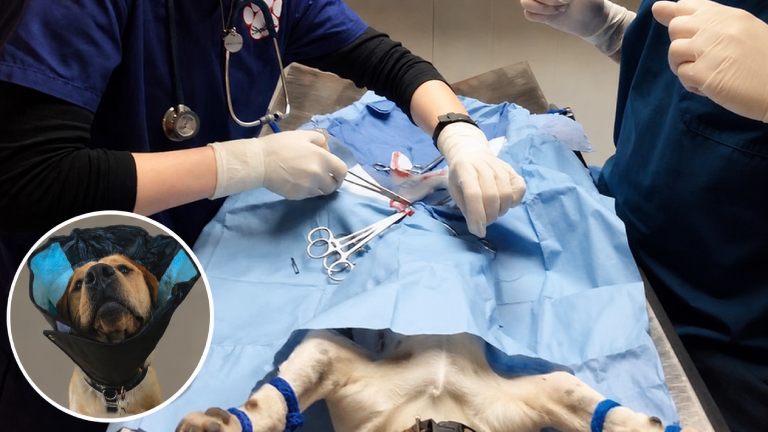
Recovery is usually straightforward, yet planning it out reduces stress. Set up a quiet space with a clean bed where your pet can rest away from stairs, rowdy children, or other animals. Ask your clinic to walk you through pain medication, activity restrictions, and what is normal during healing.
Simple steps help. Using an e collar if recommended. Keeping your pet on a leash for bathroom breaks. Checking the incision daily for redness or swelling. When you know what to expect, you are less likely to panic over every small change, and your pet will pick up on your calm confidence.