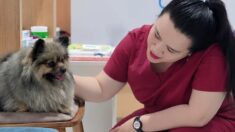
You give your home, time, and money to your animals. Their health shapes your daily life. It also shapes the health of your community. some diseases can start in animals before they reach at your home. That quiet clinic visit can stop sickness from spreading. It can protect water, food, and families. You may think a vet only gives vaccines and treats injuries. Instead, that clinic acts as an early warning system. It tracks patterns in illness. It reports serious infections. It guides you on safe contact with animals, waste, and bites. Public health depends on this steady work. Strong links between veterinary clinics and health departments keep outbreaks small. They also keep fear low. When you understand this connection, your next vet visit will feel different. You will see how your choices protect others, too.
How Animal Health Protects Human Health
Many infections that harm people start in animals. These are called zoonotic diseases. Rabies, certain flu strains, and some food poisoning germs all begin in animals. You may never see these germs. Yet they can move from pets, farm animals, or wildlife into your home.
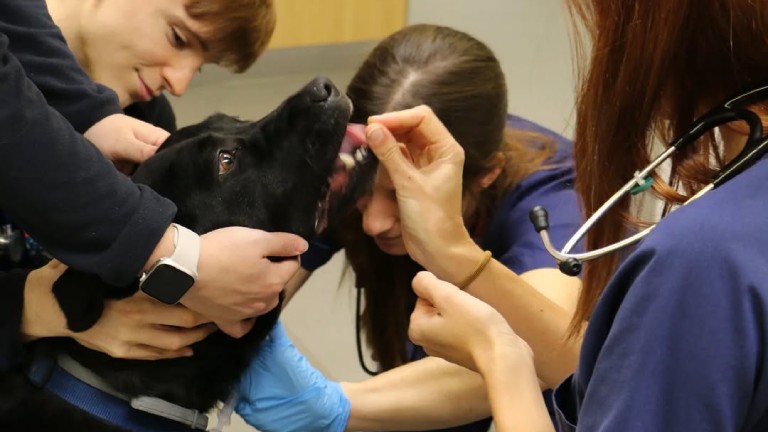
Veterinary clinics stand between these germs and your family. You bring in a sick dog. The vet runs a test. The result may show a disease that can be passed to people. The clinic then treats your dog. It also warns you about handwashing, cleaning, and safe contact.
Public health teams use this early warning. They watch for patterns in reports from clinics. If many pets show the same infection, health workers can act fast. They can alert doctors, schools, and local news. That quick action can stop a larger outbreak.
Vaccines, Parasite Control, and Community Safety
Routine care at a clinic does more than protect one animal. It builds a shield around your neighborhood. Three common services have strong public health effects.
- Vaccines
- Parasite control
- Spay and neuter surgery
Flea, tick, and worm control also matters for people. Ticks can carry Lyme disease. Some worms can move from dog waste into soil and then into children. When you keep regular parasite checks and treatments, you lower the risk for every person who walks in the park or yard.
Spaying and neutering surgery can reduce stray animal numbers. Fewer strays mean fewer bites, less waste on sidewalks, and less risk of rabies or other infections in the community.
Data Snapshot: Pets, Risks, and Clinic Impact
The table below shows how common pets link to public health risks and how routine clinic care cuts those risks. The figures are simple examples that reflect patterns seen in public health reports.
|
Pet type |
Key public health risk |
Main clinic service |
Change in risk with regular care
|
|
Dog |
Rabies and bite infections |
Rabies vaccine and bite reporting |
The risk of rabies exposure can drop to near zero in vaccinated dogs |
|
Cat |
Toxoplasmosis and scratch infections |
Health checks and hygiene guidance |
The risk of serious infection falls when litter and scratches are managed |
|
Backyard poultry |
Salmonella in people |
Testing and safe handling education |
Household Salmonella cases fall when owners follow clinic advice |
|
Livestock |
Foodborne germs in meat and milk |
Herd health plans and vaccines |
Outbreaks linked to farms drop when herds stay on clinic plans |
Why Reporting And Records Matter
Every time a clinic records a disease, that data can help public health. Clinics report certain infections to local or state health departments. These reports tell health workers where germs move and who may be at risk.
For example, if several clinics report sudden dog flu in one county, health teams can warn shelters and groomers. They can suggest new cleaning steps and contact limits. That response can keep the virus from spreading across the state.
Your Role As A Pet Owner
You hold real power in this system. Three choices have the strongest effect.
- Keep regular wellness visits
- Follow vaccine and parasite plans
- Call the clinic early when something seems wrong
Regular visits let the vet spot silent problems. Many infections start with small changes in eating, mood, or waste. You may think it is nothing. The vet may see the first sign of a disease that can spread.
Vaccine and parasite plans only work when you keep them on schedule. Late shots or skipped doses leave gaps. Germs use gaps. You close those gaps when you stay on time.
Early phone calls matter too. You do not need to wait for an emergency. A quick call about a sick pet can lead to a safe test at the clinic. That test might protect your whole family.
Working Together For A Safer Community
Veterinary clinics, doctors, and public health teams share one goal. They want safe homes, safe food, and safe parks. Your choices with your animals support that goal. A Watertown vet sees these early signs long before a hospital does.
Each visit, each vaccine, and each honest report of a bite builds trust. That trust lets health workers act fast when new threats appear. It also keeps fear from growing when news of the disease spreads.
You do not need to understand every germ. You only need to keep a simple promise. Care for your animals. Listen to your vet. Ask clear questions. That steady effort protects your family and your community at the same time.