Gum recession may look small, but it changes everything during orthodontic treatment. When your gums pull back, your teeth lose support. This raises the risk of loose teeth, root exposure, and painful sensitivity. It also makes moving teeth with braces or aligners more risky. Your bite can improve while your gum health quietly gets worse. That tradeoff is never worth it. Instead, you need a clear plan that protects both your smile and the tissue that holds it. Then you can spot early warning signs like longer teeth, dark spaces, or bleeding when you brush. You can ask hard questions. You can decide what feels safe. Gum recession is not only a cosmetic concern. It is a warning that your mouth is under stress. Respecting that warning keeps treatment safe and results steady.
What Gum Recession Really Means
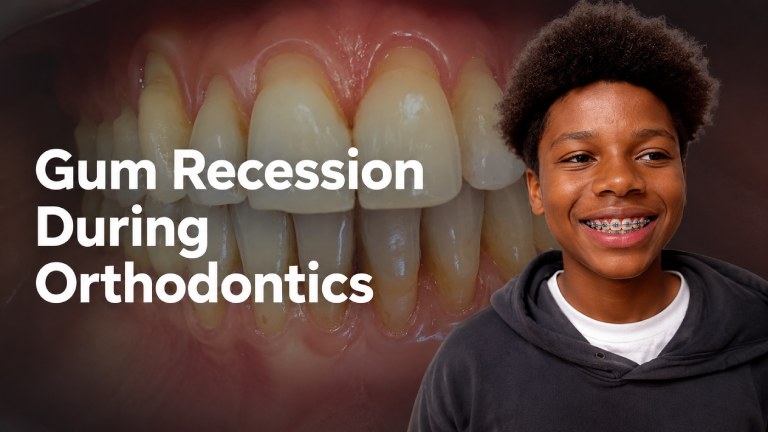
Gum recession occurs when the edge of the gum moves away from your tooth. More of the tooth and sometimes the root becomes visible. This is not normal aging. It is a sign that the support system for your teeth is under strain.
You may notice:
- Teeth that look longer than before
- Spaces near the gumline that trap food
- Sensitivity to cold water or brushing
- Red or sore gums that bleed when you clean your teeth
Each sign points to stress on the tissue that holds your teeth in place. During orthodontic treatment, that stress can grow if no one watches it closely.
Why Gum Health Matters Before Braces or Aligners
Healthy gums act like a strong collar around each tooth. They hold the tooth steady while braces or aligners move it into a better position. If the collar is already weak, movement can push it past its limit.
Before treatment starts, your team should:
- Measure your gums and bone support
- Check for buildup and deep pockets that hide bacteria
- Look for thin gums that may tear or pull back
The American Dental Association explains that untreated gum disease can lead to tooth loss and related health problems.
How Orthodontic Treatment Can Affect Receding Gums
Braces and aligners move teeth through the bone. This is safe when gums and bone are strong. It becomes risky when the support is thin or already damaged.
Movement can:
- Pull teeth toward the thin gum tissue
- Expose more root surface
- Make the existing recession worse
- Trigger a new recession in stressed spots
Pressure that would be fine for a healthy tooth can be too much for a tooth with weak support. That is why careful planning is not optional. It protects you from problems that may not show up until years later.
Common Causes Of Gum Recession During Treatment
Several habits and conditions raise the risk of recession as your teeth move.
- Brushing too hard. Scrubbing with a stiff brush can wear away gum tissue.
- Plaque and tartar. Sticky buildup near the gums leads to swelling and loss of support.
- Teeth pushed outside the bone. Certain tooth movements place roots in thin bone.
- Inherited thin gums. Some people start with less tissue and need extra protection.
- Grinding or clenching. Heavy forces strain teeth and gums.
How To Protect Your Gums During Orthodontic Treatment
You can control more than you think.
- Use a soft toothbrush. Move it gently along the gumline.
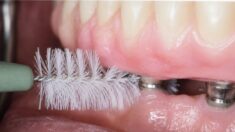
- Clean around brackets or aligner edges every night.
- Floss with threaders or special tools made for braces.
- Use fluoride toothpaste to protect exposed root surfaces.
- Rinse after snacks and drinks that leave sugar or acid.
During visits, speak up if you notice:
- New sensitivity near the gums
- Teeth that look longer
- Gums that bleed more than before
Early action can stop a small problem from turning into permanent loss of tissue. An orthodontist in Aurora will check your gums before moving any teeth.
When To See A Periodontist
Sometimes your orthodontist will bring in a gum specialist called a periodontist. This can feel worrying. It is actually a smart safety step.
You may need a periodontist if you have:
- A recession that exposes the root of several teeth
- Loose teeth or deep pockets around teeth
- Thin or fragile gums before treatment starts
Treatment can include deep cleaning or gum graft surgery to add tissue. These steps protect your teeth, so your orthodontic care can move forward with less risk.