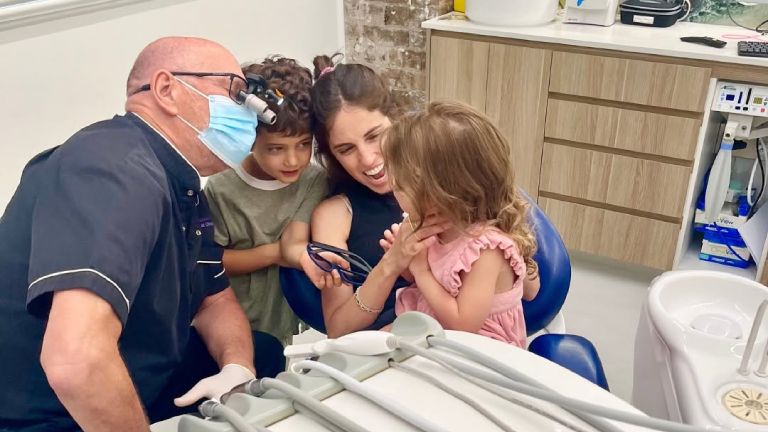
Strong family ties often grow in simple places. One of those places is your dental office. When you see the same family dentist year after year, you do more than fix teeth. You build trust. You share stories. You watch your children grow with the same familiar faces. A family dentist learns your history. They remember your child’s first visit.
Over time, the waiting room feels less like a stop for treatment and more like a small hub. You see neighbors. You trade updates about school, work, and aging parents. You feel less alone with your health and your life. This shared space can turn simple checkups into a quiet source of strength for your whole family.
How Familiar Care Builds Trust
Trust grows when you see the same team again and again. You know what to expect. Your children know who will look in their mouths. Your dentist knows your past problems and your fears.
This steady bond helps you speak up. You feel safe asking about pain, cost, or treatment choices. You can talk about habits like teeth grinding or thumb sucking without shame. That open talk leads to better care and fewer urgent visits.
The Centers for Disease Control and Prevention explains that regular visits can prevent many mouth problems and catch others early.
Why Family Dentistry Supports Every Age
A family dentist treats children, adults, and older adults in one place. This reduces stress for you and your children. You schedule one trip. You sit in one waiting room. You deal with one team that knows your whole story.
Here are three steady gains from this model of care
- Children see parents and grandparents get care. This normalizes checkups.
- Parents can ask about growth, braces, and diet during the same visit.
- Older adults can get help with dry mouth, dentures, and health changes without a new office.
This shared care also helps your dentist notice patterns. They may see that many family members get the same type of cavity or gum problem. They can then guide you on food, brushing, or other habits that affect everyone.
The Waiting Room As A Small Community Hub
The waiting room often feels like a quiet corner of your town. You meet neighbors. You see classmates. You notice the same front desk staff each time.
These small meetings matter. They remind you that you are not alone. Other parents also juggle sports, homework, and health. Other grandparents also worry about their teeth. That shared experience can ease shame and fear.
Many offices place books, toys, and health posters in the waiting room. Children read or play together. Parents notice tips about brushing, flossing, or healthy drinks. These small touches turn a simple room into a place of calm and shared care.
How Shared Dental Habits Strengthen Families
Norfolk family dentist helps you build shared habits at home. You hear the same message about brushing, flossing, and food. Your children hear it too. You can then support each other.
For example, you might
- Brush together before school and before bed
- Choose water instead of sweet drinks at meals
- Set a family “tooth check” chart on the fridge
The National Institute of Dental and Craniofacial Research explains how strong daily habits reduce tooth decay.
Support During Stressful Moments
Dental visits sometimes bring fear. A toothache, a broken tooth, or a first filling can unsettle anyone. When your family already knows the dentist, these moments feel less harsh.
Your child walks into a room with a known face. You speak with a person who already understands your past pain or money worries. The staff can use words and steps that worked for you before. This reduces shock and helps everyone stay calm.
That steady support during hard moments builds emotional safety. Over time, your family can face problems with more courage because you know you have a trusted team on your side.
How To Use Your Family Dentist As A Community Partner
You can strengthen this sense of community with a few simple steps
- Keep regular checkups for every family member.
- Talk openly about fears or past bad visits.
- Ask for clear, plain language when you do not understand something.
- Let your dentist know about major life changes that affect your health.
- Encourage your children to ask their own questions.
Many offices support school events, sports teams, or health fairs. You can look for these efforts and take part. This builds a two-way bond between your home, your dental office, and your wider community.