Healthy teeth protect how you eat, speak, and smile. They shape how you feel when you meet someone new. Small daily choices decide if your mouth stays strong or needs urgent care. This blog shares 5 preventive habits dentists recommend for patients of all ages. Each habit is simple. Each one lowers your risk for pain, infection, and costly treatment. You learn how to clean your teeth, protect your gums, and use regular visits to stay ahead of problems. You can use these habits for yourself, your children, and your parents. You can start today and protect your mouth for life.
1. Brush the right way twice a day
Brushing sounds simple. Many people still miss key spots and rush through them. Poor brushing lets sticky film collect on teeth. That film feeds germs and leads to cavities and gum disease.
Use these three steps each morning and night.
- Brush for 2 full minutes
- Use a soft-bristle toothbrush
- Use a pea-sized amount of fluoride toothpaste
Move the brush in small circles. Clean the front, back, and chewing sides of each tooth. Gently brush along the gum line. Spit out the foam. Do not rinse with water right away. Let the fluoride sit on your teeth.
2. Floss once a day to clean between teeth
Toothbrush bristles do not reach between teeth. Food and germs sit there and grow. That buildup can cause bleeding gums and deep infections.
Daily flossing removes that hidden film. You can use string floss, floss picks, or a water flosser. The tool matters less than using it every day.
Follow this simple pattern.
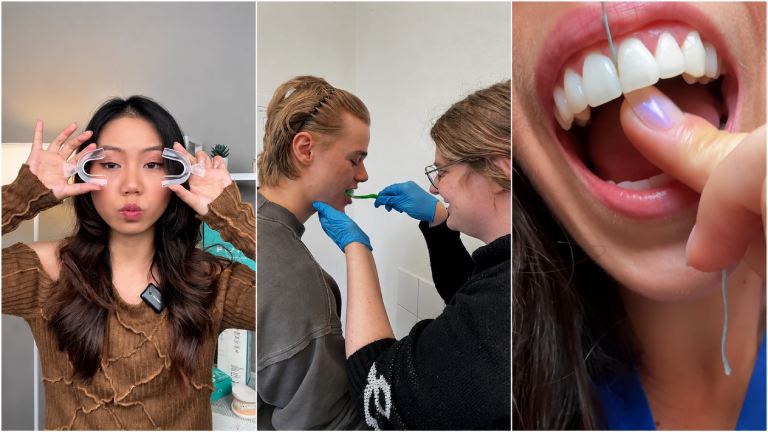
- Slide the floss gently between teeth
- Curl it into a C shape against one tooth
- Rub up and down from the gum line to the top
Repeat on the next tooth. Then move to the next space. A little bleeding at first can be common. It often improves after a week of steady flossing. If it does not improve, talk with your dentist.
3. Choose tooth smart drinks and snacks
What you eat and drink touches your teeth many times each day. Sugary and acidic choices feed harmful germs. Those germs make acid that wears away enamel.
Try to limit soda, sports drinks, juice, sticky candy, and constant snacking. Choose water, milk, nuts, cheese, and crunchy fruits and vegetables more often.
4. See your dentist on a regular schedule
Routine visits catch small problems early. Early care hurts less and costs less. Many people wait until pain starts. By then, damage often runs deep. You also see when special care like sedation dentistry in Puyallup may support you if fear or past trauma keeps you from the chair.
Most children and adults need a checkup and cleaning every 6 months. Some people need visits more often. Your dentist may suggest a different schedule if you have:
- Past gum disease
- Many fillings or crowns
- Dry mouth from medicine or health conditions
At each visit, your dentist or hygienist will:
- Clean off hard buildup
- Check your gums for swelling or bleeding
- Look for early white spots or cracks
They may take X-rays when needed. Those pictures show hidden decay between teeth and under fillings. Early changes can often be treated with small fillings.
5. Protect teeth during sports and nightly grinding
Strong teeth still break when hit. Sports, falls, and grinding in your sleep can crack or chip teeth. A mouthguard spreads the force of a hit. It can prevent broken teeth and cut lips.
Children and adults who play contact sports need a mouthguard. So do people who grind or clench their teeth at night. Your dentist can make a custom guard that fits your teeth. Store-bought guards can help if cost is a concern. Always follow package directions.
Watch for signs of grinding.
- Morning jaw pain
- Headaches after sleep
- Flattened or worn teeth
If you notice these signs, talk with your dentist soon. Early use of a night guard can prevent fractures and tooth loss.
Supporting anxious patients of every age
Fear keeps many people from the care they need. Past pain, shame, or trauma can make the chair feel unsafe. You still deserve a healthy mouth.
Speak openly with your dentist about your fear. Ask about slow visits, short breaks, and clear signals if you need to pause. Some people need medicine to relax during treatment. That is where options like sedation dentistry in Puyallup can help. With the right plan, even long-delayed care becomes possible.