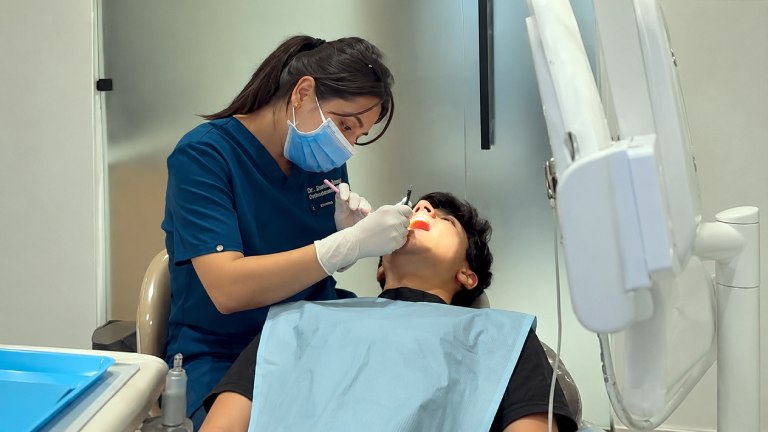
You might wonder what a truly careful exam by a general dentist should look like. In simple terms, a strong exam follows a clear set of steps. Each step has a purpose, from listening to your concerns to checking for decay to planning what comes next. When these steps are followed, you walk out feeling informed, not confused.
The short version is this. A good general dentist will review your health history, listen to your goals, check your mouth visually and with tools, use X-rays and risk assessments when needed, talk through findings in plain language, and build a plan with you, not for you. When you know these 6 steps, you can tell very quickly whether your exam is careful and patient-centered.
Why do dental exams feel rushed, and what is actually supposed to happen?
Think about the last time you were in a dental chair. Maybe the assistant took some X-rays, the dentist came in, tapped a few teeth, said “looks good,” and was gone in three minutes. You walked out wondering if early problems were missed, or if anyone really understood your medical history or your fear of needles.
The problem often starts before the exam even begins. If no one reviews your medical conditions, medications, or past dental work, the dentist is working with partial information. That raises the risk of missing warning signs, such as how dry mouth from a new medication can increase your risk of cavities, or how diabetes can affect your gums.
Once you are in the chair, the stress can climb. If you have dental anxiety, money worries, or a painful tooth, a quick once-over is not enough. You need time to ask questions. You also deserve to know why certain X-rays are recommended or why the dentist wants to see you more often than once a year.
So where does that leave you? It helps to know the basic steps of a strong general dentist exam process. When you understand these, you can recognize when your care is thoughtful, and you can speak up if something is skipped.
Step 1: How does your health history shape your dental exam?
A careful exam starts long before anyone looks at your teeth. Your dentist or hygienist should review your medical history, medications, allergies, and past dental experiences. This is not just paperwork. It guides every choice that follows.
For example, blood thinners can change how your gums bleed during cleaning. Autoimmune conditions can affect healing. Pregnancy can change gum health. Even conditions like acid reflux can wear down enamel. The American Dental Association has guidance for putting patients first at the first visit.
In a strong exam, your dentist will also ask about fears or past bad experiences. This is not small talk. It helps them slow down, explain more, and use numbing or comfort tools in ways that respect your limits.
Step 2: What does a careful visual and gum check actually include?
After talking through your history, the dentist usually performs a visual exam of your mouth. This means more than just counting teeth. They should look at your cheeks, tongue, roof and floor of your mouth, and throat area. They are checking for sores, color changes, or bumps that could signal infection or, in rare cases, early signs of oral cancer.
Your gums should be checked with a small measuring tool. This measures the space between your teeth and gums. Healthy gums usually have shallow spaces. Deeper pockets can point to gum disease. Many people are surprised by how much their gums say about their overall health.
During this step, you should feel free to speak up. If a spot feels tender or you have noticed bleeding when you brush, mention it. These details help your dentist connect what they see with what you feel.
Step 3: How do X-rays and cavity risk tests guide your care?
Even the best eyes cannot see between teeth or under old fillings. That is where X-rays and risk assessments come in. Your dentist will decide which X-rays you need based on your age, history, and current concerns. They are not “one size fits all.”
In addition, many general dentists use a formal cavity risk assessment. This looks at your diet, fluoride use, past cavities, saliva flow, and other factors to estimate how likely you are to get new decay. The American Dental Association explains how cavity risk assessment and management can guide when to use fluoride, sealants, and other preventive steps.
When done well, this step means your dentist is not just treating current problems. They are trying to prevent future ones. That can save you time, discomfort, and money over the long term.
Step 4: How does a general dentist review your bite, jaw, and existing work?
Teeth do not work in isolation. A careful exam includes checking how your upper and lower teeth meet, how your jaw joints move, and how your muscles feel when you open and close. If your bite is off, you may grind your teeth at night or wake up with headaches and jaw pain.
Your dentist should also inspect existing fillings, crowns, bridges, and dentures. They look for cracks, worn edges, or gaps where bacteria can sneak in. Addressing a small crack early is much easier and less costly than waiting until a tooth breaks.
This is one of the moments where you might hear phrases like “watch this tooth” or “this filling may need attention soon.” Ask what that means in practical terms. A good thorough dental exam is a dialogue, not a one-way report.
Step 5: How should findings and options be explained to you?
Once the dentist has all the information, they should sit you up, remove the tools from your mouth, and talk with you face to face. This is where many people feel either respected or rushed.
You should hear what is healthy, what needs monitoring, and what needs treatment. You should also hear why. If a cavity is small, maybe a filling is enough. If gum pockets are deep, you might need a deeper cleaning in certain areas. Resources like the oral hygiene guide from the National Institute of Dental and Craniofacial Research can help you understand how home care supports what happens in the office.
That is why finding bilingual dental care in North Scottsdale can help you feel more comfortable and confident about your treatment.
Step 6: How is a personalized prevention and follow-up plan created?
The last step is planning. A dentist focused only on today’s problem might stop after the filling or cleaning. A dentist who is thinking about your long-term health will talk about how often you should come in, which areas need extra attention at home, and whether you need added support like fluoride, sealants, or night guards.
For some patients, especially children or those with certain health conditions, coverage and quality standards may also be linked to programs like Medicaid. If that applies to you, it can help to know that there are quality measures for dental and oral health in Medicaid programs that aim to support regular checkups and timely care.
When this step is done well, you leave with clarity. You know what to do today, what to plan for later, and what signs should prompt a call to the office.
How do these 6 steps compare to a quick “check and clean” visit?
It might help to see the difference between a rushed visit and a careful exam by a general dentist. The table below highlights key points.
|
Aspect |
Quick, Minimal Check |
6 Step General Dentist Exam |
|
Health history review |
Brief or skipped |
Reviewed and updated, questions about conditions and medications |
|
Gum and soft tissue check |
Looks at teeth only |
Measures gums, checks cheeks, tongue, and mouth lining |
|
X-rays and risk assessment |
Same X-rays for everyone, little explanation |
X-rays tailored to your risk; cavity risk discussed with you |
|
Bite and jaw review |
Often not addressed |
Checks how teeth meet, jaw comfort, grinding signs |
|
Explanation of findings |
Short “looks fine” or “you need a filling.” |
Clear summary of what is healthy, what needs care, and why |
|
Prevention and follow-up plan |
“See you in 6 months” without detail |
Personalized recall schedule and home care guidance |
What can you do right now to get a better general dentist exam?
1. Prepare a short health and concern list before your visit
Write down your medications, health conditions, and any recent changes like pregnancy, new diagnoses, or new pain. Add your top 2 or 3 concerns, such as sensitivity, appearance worries, or fear of treatment. Bring this list and hand it to the hygienist or dentist at the start. It signals that you expect your exam to reflect your real life, not just your teeth.
2. Ask for a step-by-step explanation of your exam
When the dentist comes in, you can say something like, “Can you walk me through what you are checking today, step by step?” This gentle question encourages a more structured general dentist examination. It also opens the door for you to ask follow-up questions if you hear something you do not understand.
3. Request a simple written or printed care plan
Before you leave, ask for a simple summary of what was found and what they recommend next. This might include urgent treatment, watch areas, and home care tips. Having this plan in writing reduces confusion and helps you budget and schedule. It also gives you something to refer to if you decide to seek a second opinion.