A personalized preventive plan uses what is unique about you, your mouth, your medical conditions, your habits, and even your family history. It helps to spot risk early and build a realistic plan to prevent problems instead of only reacting to them. It can reduce emergencies, lower costs over time, and give you a sense of control instead of constant worry.
So where does that leave you? It means you do not have to accept dental surprises as normal. You can work with a general dentist who treats you as an individual, not just a set of teeth, and together you can build a simpler, calmer path forward.
Why “one size fits all” preventive care often fails you
For years, you may have heard the same advice on repeat. Brush twice a day and floss daily. See the dentist every six months. Those are good basics, but if that were enough, you probably would not be dealing with new cavities, bleeding gums, or broken teeth.
The truth is that two people can brush the same way and have completely different outcomes. Your risk is shaped by your genetics, medications, health conditions like diabetes or dry mouth, stress levels, diet, and even how your teeth fit together. Public health experts call this a precision or personalized approach to prevention.
Without that kind of personalization, you are left with generic advice that may not match your real risk. Maybe you have deep grooves in your molars that trap food, or you sip soda throughout the day, or you take a medication that dries your mouth. If no one connects those dots, you can feel like you are failing, when in fact the plan is failing you.
Because of this gap, people often swing between two extremes. Either they avoid the dentist until something hurts, or they go in regularly but feel nothing really changes. Both paths are frustrating, emotionally draining, and financially painful.
How a personalized preventive plan actually works in patient care
So what changes when your dentist builds a personalized preventive care plan instead of giving you a generic checklist?
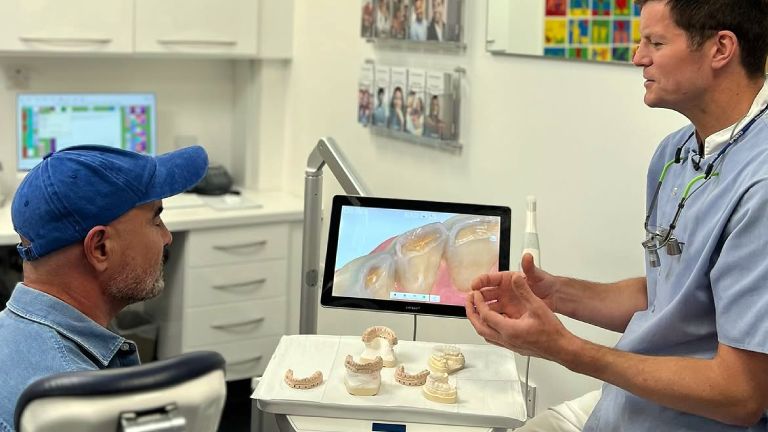
First, your risk is mapped, not guessed. A thoughtful general dentist will look at your full picture. Your past dental history, your current X-rays and exam findings, your medical conditions, your medications, your family history, and your lifestyle. This is the “why” behind what is happening in your mouth.
Second, your plan fits your life. If you travel a lot, your plan might focus on simple tools you can carry. If you have arthritis, you may need an electric toothbrush and different flossing tools. If you are on a tight budget, your dentist can help you prioritize what truly protects you now and what can safely wait.
Third, your plan is not static. As your health changes, your preventive plan should adjust. Medical systems use this idea in regular wellness visits. For example, Medicare covers yearly wellness visits where your provider reviews your risk, updates your plan, and keeps prevention at the center. Dental care can mirror that same mindset, where each visit is a chance to update your prevention strategy, not just fix damage.
Finally, a personalized plan respects your emotional reality. If you have dental anxiety, your dentist serving Burlington and nearby areas might break care into shorter visits, use numbing gel before injections, or start with the simplest step to build trust. Feeling heard is part of prevention because when you are comfortable, you are more likely to keep showing up.
Three practical steps to start your own personalized preventive plan
So, what can you do now, before your next appointment, to move toward more tailored care?
1. Gather your personal “risk story” before you see your dentist
Take ten quiet minutes and write down what your dentist may not see at a glance. List your medical conditions, medications, supplements, and any recent changes like menopause, pregnancy, or new diagnoses. Note your family history of gum disease, tooth loss, or early tooth problems. Add your habits, such as smoking, vaping, grinding your teeth at night, frequent snacking, or sipping sugary drinks.
Bring this with you. When you hand your dentist a clear picture, you invite a deeper conversation. You move from “another cleaning” to “here is my risk story, how do we work with it?”
2. Ask targeted questions during your visit
You do not need to know all the technical terms. A few simple questions can open the door to more personalized care. For example, “What do you see as my biggest risk in the next five years?” or “If you were me, what would you focus on at home between visits?” or “Is there anything in my medical history that should change how we plan my care?”
These questions shift the conversation from generic advice to a tailored discussion about your future. You are not just asking, “Am I okay?” You are asking, “How do we keep me okay?”
3. Co-create a written, realistic home and office plan
Before you leave, ask for a simple written plan. It might include how often you should come in, which areas in your mouth need extra attention, which products or tools your dentist recommends, and any short-term goals like “stop bleeding gums” or “reduce sensitivity.”
A clear plan also helps you manage costs. You can ask which preventive steps now might reduce the risk of expensive treatments later. Over time, this kind of shared planning builds trust and confidence in your general dentist and in your own ability to protect your health.
Choosing prevention that truly fits you
You do not have to accept constant dental surprises as normal. When you and your general dentist work together to build a personalized preventive plan, your care shifts from crisis control to steady, thoughtful protection.
You feel less blindsided. You understand why things are happening. You know what you can do at home, and you know how your dentist is watching out for you. It becomes less about perfect habits and more about realistic, tailored steps that respect your life, your body, and your limits.
If you feel overwhelmed right now, that is understandable. Start small. Gather your health story. Bring your questions. Ask for a plan that fits you, not someone in a brochure. Over time, those small choices add up to fewer emergencies, more comfort, and a much calmer relationship with your care.