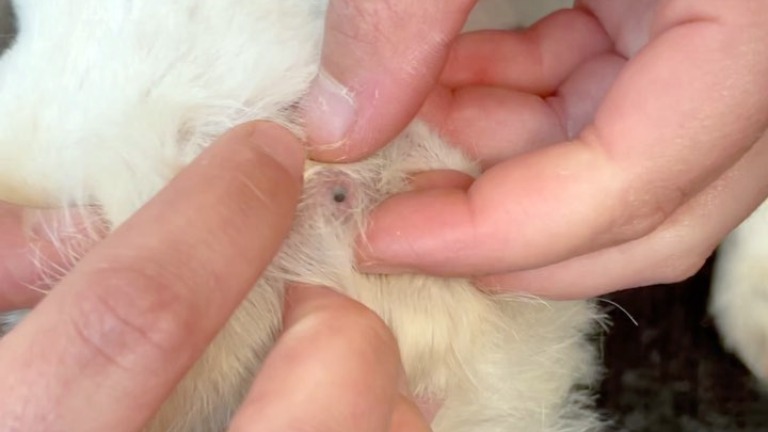
You might not notice the problem at first. Maybe your dog starts scratching more than usual and feels restless. Is it fleas, ticks, worms, or something harder to spot? They can affect comfort, health, and in some cases, your whole household.
Parasite prevention at an animal hospital is more than a routine visit. It is a way to protect your pet from pain, protect your home from repeat infestations, and lower the chance of bigger medical bills later. Prevention is guided by a veterinary team. You are not left guessing which product works, how often to use it, or what signs mean something more serious is going on.
Why can parasite problems get worse so quickly at home?
Parasites have a way of turning a small concern into a larger one. A few fleas can become a home infestation. One tick bite can expose a pet to disease. Intestinal parasites may not be obvious until your pet loses weight, has stomach trouble, or passes segments that look like grains of rice. Because of this, many pet owners try to manage things on their own first, hoping a bath, a store-bought treatment, or extra cleaning will be enough.
Sometimes that helps for the moment, but it often misses the full picture. Eggs and larvae can settle into carpets, bedding, and furniture. The Centers for Disease Control and Prevention explains that flea prevention takes more than treating the pet alone. Ticks create a different problem. They can hide in fur, attach in hard-to-see places, and carry illness before you even realize they are there. The CDC also notes the need for preventing ticks on pets with regular checks and proper prevention products.
So, where does that leave you? It often leaves you trying to solve a medical problem with incomplete information. That is where an animal hospital becomes so important. A veterinary team can tell the difference between fleas, mites, allergies, tick exposure, and intestinal parasites, which may look similar at home but need very different responses.
What does an animal hospital do that home treatment often misses?
An animal hospital does not just hand you a product and send you home. It looks at your pet’s age, weight, species, health history, and lifestyle. Does your dog hike in wooded areas? Does your cat go outdoors sometimes, even if only on a patio? Are there children or other pets in the home? Those details matter, because prevention is not one size fits all.
Veterinary teams also look for hidden effects. A pet with fleas may also have flea allergy dermatitis. A pet with tapeworms may have swallowed infected fleas. The CDC explains that a tapeworm infection called Dipylidium caninum is linked to fleas, which shows why one parasite issue often connects to another. This is one reason preventive care for pet parasites works best when it is part of ongoing medical care, not just a quick purchase off the shelf.
There is also the safety issue. Some over-the-counter treatments are used incorrectly, combined in risky ways, or given to the wrong species. Cats, in particular, can be harmed by products meant for dogs. With an animal hospital, you get guidance that lowers that risk and increases the chance that prevention actually works.
How does DIY parasite control compare with animal hospital care?
If you are weighing cost and convenience, that makes sense. Most people do. But the better question may be this. What costs more over time, a prevention plan or repeated treatment after the problem spreads?
|
Approach |
What It Usually Includes |
Main Risk |
Likely Outcome |
|
DIY home treatment |
Store bought products, bathing, vacuuming, spot checks |
Wrong product, missed diagnosis, incomplete control of eggs or larvae |
Short term relief, higher chance of recurrence |
|
Animal hospital prevention plan |
Physical exam, testing if needed, weight based medication, seasonal guidance, follow up |
Higher upfront visit cost |
Better prevention, earlier detection, lower risk of complications |
|
Delayed care after infestation |
Emergency visit, treatment for skin issues or intestinal parasites, home cleanup |
Problem has already spread |
Higher total cost, more stress for pet and owner |
This is why many families find that animal hospital parasite prevention saves time, stress, and money in the long run. It turns guesswork into a plan.
What can you do right now to protect your pet?
1. Schedule a parasite screening and prevention review.
If your pet is scratching, licking, losing fur, scooting, or spending time outdoors, it is worth getting checked. Even pets that seem fine can carry parasites without obvious signs. A routine exam can catch problems before they grow.
2. Ask for a prevention plan based on your pet’s lifestyle.
Indoor cats, apartment dogs, hunting dogs, and senior pets do not all need the exact same approach. Ask what works best for your pet through each season and how often you should update treatment. This is where a good animal hospital becomes a partner, not just a place for sick visits.
3. Treat the home and the pet when needed.
If fleas are involved, treating only your pet may not solve the problem. Wash bedding, vacuum often, and follow veterinarian in South Cary, NC advice about environmental control. When you handle both the pet and the home, you have a much better chance of stopping the cycle.
Animal hospitals are essential for parasite prevention. They provide professional risk assessments and accurate diagnostic testing. Veterinarians safeguard pets against severe infestations and stop the spread of zoonotic diseases to humans. They have all the meds and treatment services available that you cannot give at home.