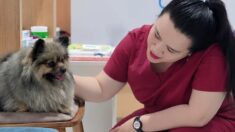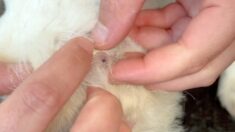
Your pet will be examined before surgery. You have tests as needed and receive a tailored anesthesia plan. Your pet will be continuously monitored by trained staff during surgery. They also track heart rate, breathing, blood pressure, and more. Your pet will be closely watched after surgery as they wake up, given pain control, and only sent home when it is safe to do so. Knowing this does not erase the worry, but it can soften it and give you a clearer sense of what is happening on the other side of the exam room door.
Why does surgery at an animal hospital feel so scary for pet owners
The fear usually starts long before the actual day of surgery. Maybe your dog tore a ligament at the park and now needs a knee repair. Maybe your cat has a lump that needs to be removed and tested. Maybe your older pet needs a dental procedure that cannot be done safely while awake. You hear the word “anesthesia,” and your stomach drops.
The problem is that you are being asked to give consent for something that feels risky, yet you do not see all the safety steps that happen behind the scenes. You might have read frightening stories online or heard about a rare complication from a friend. Those stories stick. They can make even a recommended, routine procedure feel like a gamble.
On top of that, there is often pressure around money and time. Surgery can be expensive. You may be balancing the cost against your budget, wondering if you are spending too much or not doing enough. You are taking time off work, arranging transport, and trying to read consent forms through blurry eyes. It is a lot.
Because of this tension, you might start asking yourself hard questions. Is anesthesia safe for my older pet? Will they be in pain? How do I know the team is doing everything they can?
What actually happens before, during, and after your pet’s surgery
So, where does that leave you when the surgery day arrives? It helps to walk through the process step by step, from check-in to going home.
Before surgery. When you arrive, your pet will usually have a physical exam. The team will review their medical history, medications, and any lab work. Depending on your pet’s age and health, your veterinarian may have already ordered blood tests or imaging to check organ function and reduce anesthesia risk. Based on this, an anesthesia plan is created that fits your pet’s specific needs, not a one-size-fits-all approach.
You will likely be asked when your pet last ate. This matters because an empty stomach helps reduce the risk of vomiting under anesthesia. You may sign consent forms that explain the procedure, possible risks, and optional extras like IV fluids or advanced monitoring. If something on those forms worries you, this is the time to ask. Your questions are not a burden. They are part of caring well for your pet.
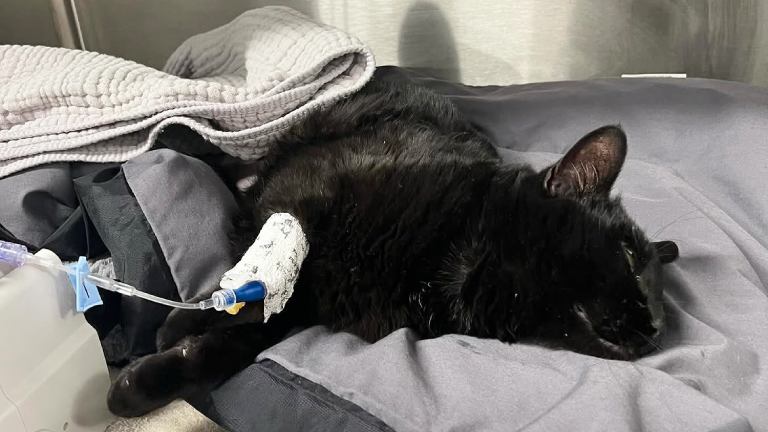
During surgery. Once your pet is taken to the treatment area, they will usually receive a sedative to help them relax. An IV catheter is often placed so fluids and medications can be given safely. An anesthetic drug is then used to bring your pet under anesthesia. A breathing tube is placed to protect the airway and deliver oxygen and gas anesthesia.
Throughout the procedure, your pet is not left alone. A trained technician or nurse and the veterinarian monitor vital signs like heart rate, breathing rate, blood pressure, oxygen level, and temperature. Adjustments are made as needed. Modern monitoring equipment and protocols mean anesthesia is far safer today than it used to be. If you want to understand this part in more detail, you might find it helpful to review how experts describe the full anesthesia and surgery process for pets.
After surgery. When the procedure is finished, your pet is moved to recovery. The anesthesia is reduced and then turned off, and your pet is watched as they begin to wake up. This phase can feel long to you, but the team is checking breathing, comfort level, and temperature, and giving pain medication as needed.
Waking up from anesthesia can sometimes look strange. Pets may be groggy, vocal, or unsteady. This does not always mean pain. It can simply be the brain working its way out of the anesthetic state. Veterinary care in Corpus Christi is trained to tell the difference and to adjust medication based on what they see.
Before your pet goes home, you will receive instructions on pain control, feeding, activity restriction, and wound care. You may also get a follow-up appointment. At home, your job is to create a quiet, safe space and to call the clinic if anything worries you. You do not have to guess alone.
Three practical steps to feel more prepared for your pet’s surgery
1. Ask focused questions before you sign anything.
Instead of trying to ask everything at once, choose a few key questions. For example. What specific procedure are you doing and why? How will you manage your pet’s pain before, during, and after surgery? Who will be monitoring my pet under anesthesia, and what equipment will you use? Are there any special risks for my pet’s age or condition, and how are you reducing them? Writing these down ahead of time can keep your mind from going blank when you are stressed.
2. Prepare your home for recovery.
Before surgery day, set up a quiet area with a soft bed, easy access to water, and limited stairs or jumping. If your pet is a chewer or licker, ask about an e-collar or other ways to protect the incision. Make sure you understand the medication schedule and have a way to remember doses, such as alarms on your phone. This turns your worry into concrete support for your pet.
3. Know what is normal after surgery and when to call.
Ask your veterinarian what to expect in the first 24 to 72 hours. Mild grogginess, lower appetite, or slight swelling around the incision can be normal. Signs that usually need a call include constant crying, heavy panting, repeated vomiting, large swelling or bleeding at the incision, or refusal to eat or drink after the time your veterinarian said it should be safe. Having this list written down can reduce late-night panic and help you act quickly when it truly matters.
So, pet surgery preparation starts from 8–12 hours before arrival. The vet will conduct a brief physical exam and run pre-anesthetic blood work at the hospital. Then place an IV and administer anesthesia. The surgery itself usually lasts a few hours.