Book ownership once meant heavy shelves and bent pages. A private library stood like a family portrait in the corner of a room. People marked favorite lines with folded paper and coffee stains. A book felt tied to one place and one pair of hands. That idea still carries charm, yet reading habits now move in a different rhythm.
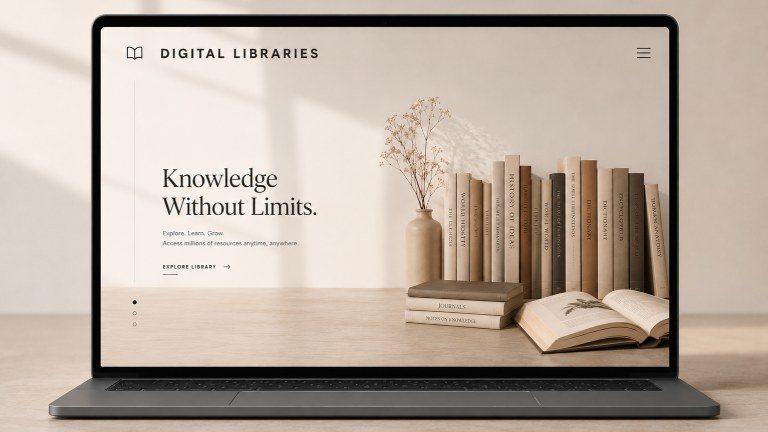
Modern readers collect stories more lightly. Phones, tablets, and laptops now hold more titles than an old town library. In that space, Z-library can easily be compared by the vast number of books it offers and the freedom that comes with that reach. The idea of ownership no longer depends on paper and dust. Access has become part of the value. Reading now feels closer to carrying a pocketful of keys than to one locked chest.
Reading Without Weight
A personal library once grew one book at a time. Each new title needed space, money, and care. Now collections travel from home to train station to quiet parks with no extra burden. That shift has changed how people think about collecting knowledge. The old image of ownership as a fixed object has softened into something more fluid.
An e-library also changes the emotional side of reading. A printed book often feels like a souvenir from a certain year or season. Digital collections feel more alive and moving. Titles appear when needed, then rest in the background until another moment arrives. The habit resembles music playlists more than wooden shelves. Stories flow in and out of daily life with ease.
That change can be seen in a few simple ways:
Faster Access To Ideas
A printed library takes years to build. Digital reading shortens that road. One search can open doors to history, science, art, and fiction within seconds. The process feels less like hunting through dusty attics and more like turning on a lamp in a dark room. Readers spend less time waiting and more time thinking. That speed shapes stronger habits because reading slips naturally into lunch breaks train rides and calm evenings at home. The act becomes part of ordinary life instead of a special event saved for rare moments.
Less Focus On Physical Space
Homes once needed large shelves for growing collections. Now, a small device can carry enough material for many lifetimes. That freedom changes the meaning of ownership itself. A collection no longer depends on square meters or storage boxes. Readers keep access close without turning living rooms into archives. The shift also creates a cleaner relationship with books. Stories remain central while the pressure of physical upkeep fades into the background. After that shift, another idea starts to grow. Ownership becomes tied to memory and access rather than stacks of paper.
A More Personal Reading Rhythm
Traditional collecting often followed trends or public taste. Digital reading feels more private and calm. Readers move through topics at their own pace without outside pressure. One week may focus on philosophy while another drifts toward travel writing or old poetry. The freedom feels similar to walking through an endless night market filled with hidden paths. Curiosity leads the way instead of strict plans. That personal rhythm helps reading stay fresh and alive even after long, busy days.
Ownership As Experience
The meaning of ownership now stretches beyond holding an object. It includes access, comfort, and freedom of choice. A story no longer needs a fixed place on a shelf to leave a lasting mark. The value rests in the experience itself and in the quiet moments built around reading.
Old libraries still hold warmth and character. Their scent and silence remain timeless. Yet e-libraries have opened another door. They carry the spirit of wandering through endless corridors while fitting into a coat pocket. That balance between freedom and familiarity explains why modern reading feels both new and deeply human.