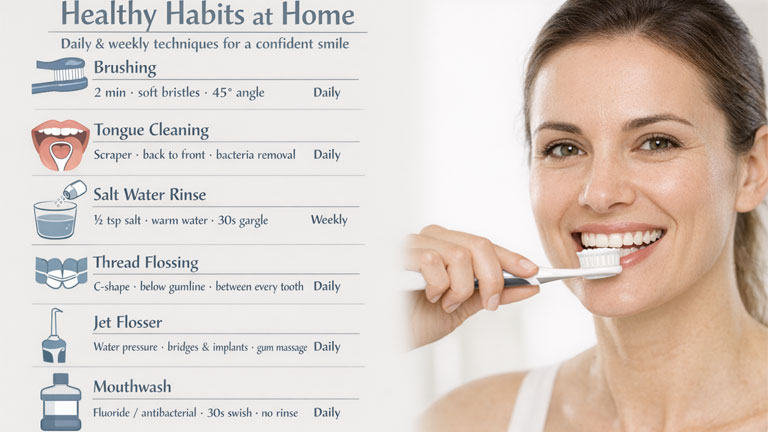
Healthy habits at home start with small daily choices. You brush, you floss, you rush out the door. Then problems grow in silence. A strong family dentist changes that pattern. Regular visits teach your child that care is normal, not scary. Clear talk about sugar, snacks, and brushing turns guesswork into simple steps you can follow.
Why Home Habits And Family Visits Must Work Together
You spend only a few hours a year in a dental office. You spend the rest of your time at home. That gap creates risk. Plaque builds. Sugar stays on teeth. Small problems grow into deep holes and infections.
Family dentistry closes that gap. Each visit links office care with your home routine. You get clear steps. You get simple tools. You get a plan that fits your budget, your time, and your child’s age.
According to the Centers for Disease Control and Prevention, cavities are one of the most common long-term diseases in children. Yet cavities are preventable. That means your daily choices matter more than any single treatment.
How Your Family Dentist Shapes Strong Daily Habits
You may know you should brush and floss. You may not know how much, how long, or what to change when life gets busy. A family dentist turns vague rules into actions you can use today.
You learn three core habits.
- Brush with fluoride toothpaste two times a day
- Clean between teeth once a day
- Limit sugary drinks and snacks
Each visit shows you how to adjust those habits as your child grows. You get different tips for a toddler, a grade school child, and a teen.
Teaching Children That Care Is Normal
Many children fear the chair. You can undo that fear when you start early and stay steady. Regular family visits send a strong message. Care is routine. Pain is not normal. Questions are welcome.
Your dentist helps you do three simple things with your child.
- Name body parts and tools in plain words
- Practice sitting still and opening wide at home
- Use praise, not bribes, after visits
These steps build trust. Your child learns that care is a shared task, not punishment.
Simple Routines For Every Age At Home
| Life stage | Main home habit | Support from the family dentist |
|---|---|---|
| Baby and toddler | Wipe gums and brush first teeth | Show proper position and amount of toothpaste |
| Early childhood | Twice daily brushing with help from an adult | Check brushing skill and suggest fun tools |
| Preteen and teen | Independent brushing and flossing | Talk about snacks, sports drinks, and mouthguards |
| Adult | Daily care plus tobacco and sugar limits | Screen for gum disease and grinding |
| Older adult | Care for natural teeth, dentures, or implants | Adjust care for dry mouth and medicines |
Food, Drinks, And Honest Talk About Sugar
Snacks shape your teeth as much as brushing. Many drinks and foods that seem safe carry hidden sugar. A family dentist can walk through your normal day and point to three small changes that cut harm.
You might:
- Swap soda for water during the day
- Keep sweets with meals, not as all-day snacks
- Rinse with water after snacks when you cannot brush
The National Institute of Dental and Craniofacial Research explains that bacteria use sugar to create acid that attacks teeth. Short sugar bursts during meals hurt less than a steady trickle from constant sipping.
Preventing Serious Disease And Emergency Visits
Strong home care and regular family visits protect more than your smile. Poor oral health is linked to heart disease, diabetes, and pregnancy problems. Pain can wreck sleep, school focus, and work hours.
When you keep a schedule with a family dentist, you:
- Catch small cavities before they reach the nerve
- Spot gum disease before teeth loosen
- Find infections early before they spread
That means fewer urgent visits and lower long-term costs. It also means less pain and fewer missed days from school and work. A Memphis dentist can show you and your family how to clean teeth the right way, spot early warning signs, and set up routines that fit your life. Then each checkup becomes a check on your home habits.
Making Habits Stick For Your Whole Household
Change holds better when your whole home takes part. A family dentist helps you treat oral care as a team effort. You set shared rules. You place supplies where everyone can reach them. You build short routines that fit your mornings and nights.
Try three steps.
- Brush as a family at least once a day when possible
- Keep a simple chart for young children to track brushing
- Store toothbrushes, floss, and paste in one clear spot
Each visit, you review these habits. You keep what works. You drop what does not. Over time, your home becomes a place where care is normal, clear, and calm. That is the quiet power of family dentistry. It turns short visits into steady protection that starts and ends in your own bathroom.