Modern industries depend heavily on precision manufacturing. They help to keep products, infrastructure, and essential systems operating effectively. These types of manufacturing processes shape much of the world you interact with every day, from transport networks and construction projects to electronics and engineering
As technology continues to advance, businesses increasingly rely on accurate production methods that support efficiency, consistency, and large-scale demand. Precision manufacturing has become a major part of innovation. It allows businesses to create components and systems that meet exact specifications. While maintaining high standards of quality for their industry needs.
The Role of Fabrication in Everyday Industries
Fabrication plays a significant role across a wide range of industries. Many of which rely on carefully produced metal components for both structural and functional purposes.
In construction, fabricated metal parts are used for frameworks, cladding systems, staircases, supports, and architectural features. These components must meet strict requirements. They perform reliably across commercial and residential projects for your business operations.
Transport industries also depend heavily on manufacturing accuracy. Vehicles, rail systems, and aerospace engineering all require durable components produced to precise measurements. Even small inconsistencies can affect safety, performance, and efficiency.
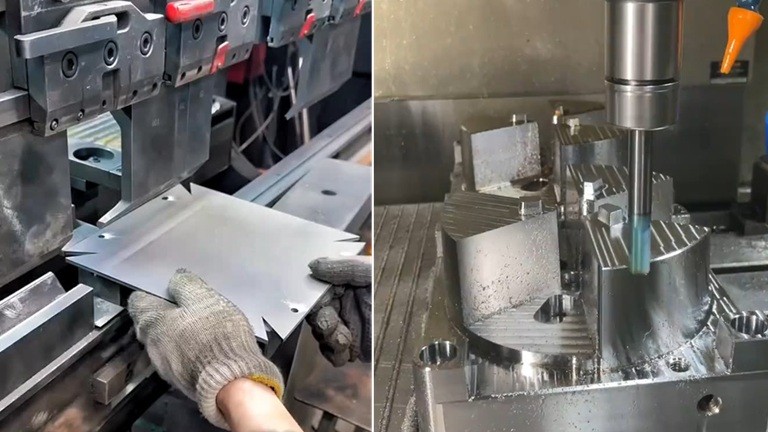
Engineering and industrial sectors regularly use sheet metal fabrication services to create parts for machinery, equipment housings, ventilation systems, and specialist components. Fabrication processes allow businesses to produce customised solutions suited to your specific operational needs.
Why Accuracy and Efficiency Matter
Accuracy is one of the defining features of modern manufacturing. Industries often work within strict tolerances. Even minor production variations can lead to operational issues or increased costs for your company.
Precision helps maintain product quality while reducing material waste and minimising production errors. Consistent manufacturing processes also support faster assembly times and improved reliability across your supply chains.
Efficiency is equally valuable. Businesses increasingly need production methods capable of handling complex projects while meeting demanding schedules. Reliable manufacturing processes help companies maintain productivity without compromising standards.
Modern fabrication techniques also support repeatability. It allows identical components to be produced consistently at scale. This is particularly valuable in industries where you require large quantities of parts across multiple projects or locations.
Innovations Changing Modern Manufacturing
Manufacturing continues to evolve rapidly. Businesses adopt new technologies designed to improve speed, accuracy, and sustainability.
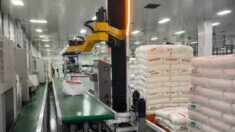
Automation has become one of the most influential developments within the industry. Computer-controlled machinery and advanced robotics now assist with cutting, shaping, welding, and assembly processes. It helps manufacturers achieve greater consistency while reducing manual errors for their production needs.
Digital design software has also transformed production planning. Engineers can now create highly detailed prototypes and simulations before physical manufacturing begins. It helps you identify potential adjustments early in the process.
Sustainability has become another growing focus across manufacturing sectors. Many businesses are looking for ways to reduce waste, improve energy efficiency, and recycle materials more effectively throughout production cycles.
Advancements in materials and manufacturing techniques have also expanded what businesses can produce. Lightweight metals, stronger alloys, and increasingly precise machinery continue to support innovation across engineering, transport, and construction industries.
Smart manufacturing systems are also becoming more common. Real-time monitoring and data analysis can help manufacturers improve productivity. It maintains quality control and helps them identify maintenance needs before issues develop.
Choosing Reliable Manufacturing Partners
For many businesses, selecting the right manufacturing partner plays a major role in project success. Reliability, expertise, and adaptability are often key considerations when you work within fast-moving industries.
Experienced manufacturers typically provide stronger consistency across production runs. While maintaining clear communication throughout your projects. This can help businesses avoid delays and maintain confidence in product quality.
Technical knowledge is also highly valuable. Basically, for projects involving specialised requirements or custom fabrication work. Manufacturers capable of adapting to changing demands are often better positioned to support your long-term growth and evolving industry expectations.
Quality control processes remain particularly important. Businesses need confidence that components and materials meet required standards. It arrives on schedule and performs reliably once installed or assembled.
Strong partnerships within manufacturing can also support innovation by helping businesses develop practical solutions for their new products, systems, and technologies.
Precision manufacturing plays a major role in supporting modern innovation across countless industries. From construction and transport to engineering and energy. Accurate fabrication processes help businesses maintain quality, efficiency, and reliability in increasingly demanding environments. As manufacturing technologies continue to evolve. High-quality fabrication will remain an essential part of industrial growth, product development, and future innovation for your business.