There are many types of boots that we wear. For example, for running we prefer sports shoes, for office work casual footwear, and for snow boots designed for cold and snowy conditions. In the same way, working boots are worn for protection, durability, and to shield the feet. They offer essential ankle support.
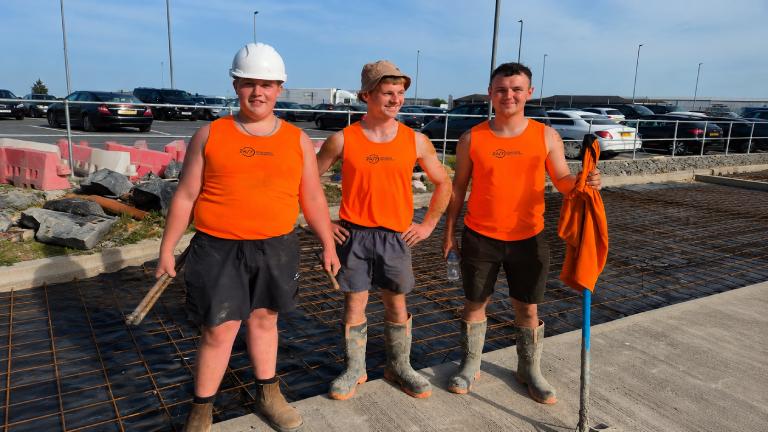
Working boots also come in different types according to the nature of the work. We will talk about construction boots in the article. Falls, slips, and trips in the construction industry are very common. But if you are wearing the right construction shoe, then you can save yourself from major injury. Construction boots are the footwear that engineers and workers wear at construction sites. These boots are very strong in build quality and provide complete protection against heavy falling objects and punctures
What Features to Look for When You Choose Construction Working Boots
These boots also come with different features according to the construction worker’s demand and facility. So let’s check them out.
Safety Toe Cap
A safety toe cap helps protect your toes from heavy materials, tools, or sudden falling objects. This feature is necessary on construction sites. A minor injury can hurt you for a long time. When selecting boots, do not view the toe cap merely as a piece of metal. You should consider it a robust shield for your daily safety.
Electrical Hazard (EH) Rating
If your work involves electricity, wiring, wet floors, or live equipment, an EH rating is highly recommended. OSHA recognizes protective footwear as a safeguard against electrical hazards and electrical shock resistance. It is a recognized protection category under ASTM footwear standards.
Puncture-Resistant Soles
Nails, shards, wire, and sharp debris are common on construction sites. A puncture-resistant sole acts as a reliable shield for the soles of your feet. This feature plays an important role when walking on rough surfaces or when you navigate areas where sharp fragments remain even after cleanup.
Slip-Resistant Soles
Slip-resistant soles are not just for wet surfaces, but they are also effective on dust, mud, oil, and uneven ground. Slipping surfaces are very common on a construction site. It can lead to direct injury. Good grip helps you move quickly and improves your balance. Especially during long shifts where the ground conditions might change hourly.
Durability
Construction boots must be able to face daily conditions. If boots wear out quickly due to abrasion, dust, water, sun exposure, or heavy-duty work, you will find yourself constantly needing replacements. So your boots must have more durability than regular shoes.
Weather Resistance
Rain, humidity, heat, and cold can affect your feet in different ways. Water resistance keeps your feet dry. Snow and cold weather can also freeze your feet, so it should resist this too. Extreme hot weather can burn and increase heat and sweat inside these boots. So heat resistance is another factor as well. Breathability and insulation are two common weather factors in boots.
Arch, Ankle Support and Shanks
Arch support helps balance the pressure exerted on your feet. Shanks increase internal stability. It provides better support when walking on uneven ground. This construction boot feature makes a significant difference during tasks that involve standing for long periods, climbing stairs, or lifting heavy loads. Good support also helps you reduce fatigue. A sturdy ankle section helps reduce the risk of sprains and adds stability to the boot.
Cushioned Midsole
Walking on a construction site differs from regular walking, as construction site surfaces are often hard and unforgiving. A quality midsole helps protect your feet from the daily strain of the job. A cushioned midsole absorbs some of the shock with every step.
Comfort
When a boot is comfortable, your attention is not distracted by pain or irritation. You can perform your tasks more effectively. A proper fit, smooth inner lining, and insole are very important for comfort.
Lightweight Design
However, heavy boots offer protection for certain tasks, but extra weight is not always an advantage. If your work involves constant walking, climbing, or more movement, a lightweight design can make your steps feel more effortless.
Certified
You should always choose certified boots. It indicates the footwear has been tested against specific standards. Standards like ASTM F2413 cover categories such as impact resistance, compression resistance, puncture resistance, electrical hazard protection, and metatarsal protection.
Slip Resistance
Good grip keeps your stride stable and helps prevent minor accidents. You should ensure your boot maintains traction even on surfaces where footing might otherwise be unstable. This feature is particularly vital at construction sites, where water, dust, cement residue, and oil spills can create sudden hazards.
Insoles
Insoles for working boots may seem small, but they have a significant impact. The right insole effectively supports your arch and heel while cushioning the impact of each step. If you stand all day, insoles can improve comfort and reduce the strain felt on your feet.
Metatarsal guards
Metatarsal guards are personal protective equipment (PPE). It is designed to protect the vulnerable bones on the top of the foot (metatarsals). They save your feet from crushing, compression, and impact injuries.
Boot Height and Fit
Boot height and fit directly influence both comfort and protection. A taller boot offers greater coverage. While a proper fit prevents your foot from sliding around inside. Boots that are too loose compromise stability. Those that are too tight increase fatigue.
Heat and Chemical Resistance
Certain construction jobs require exposure to heat, sparks, oils, or chemicals. In such roles, heat and chemical resistance are essential. This feature not only extends the lifespan of the boot but also bolsters your safety.
So when you go to buy boots for construction work, keep the above things in mind. These tips may help you find the right, safe, and comfortable construction work boots.