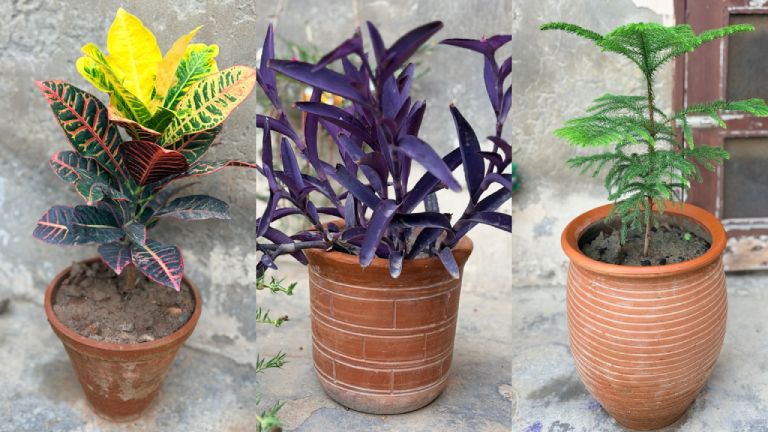
Do you also like to grow plants? Do you want your home garden to look green and flowery? I will give you the best plants that you can grow at home easily. These plants can survive in the summer and winter seasons. I have had these plants for the last 3 years in pots and in the garden. The following plants also require less maintenance and care compared to some other plants. So let’s check the original images and info for these home-based plants.
1. Croton Plant Codiaeum variegatum
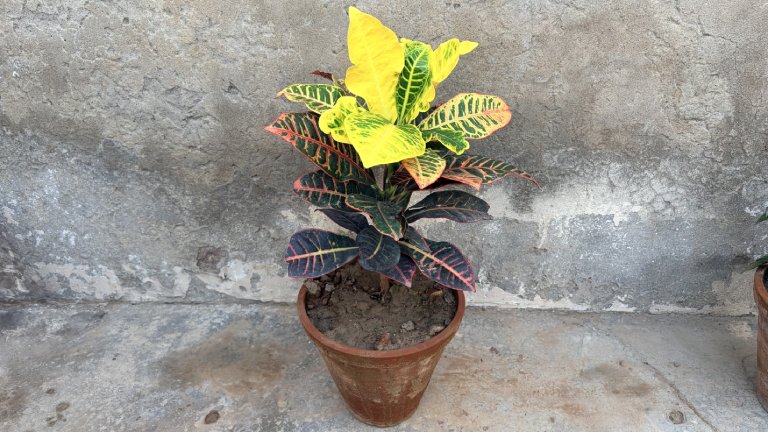
The Croton plant, or Codiaeum variegatum, is a colourful tropical plant with bright green, yellow, orange and red leaves. Your Croton can grow indoors or outdoors. A bright place in your home is best. Croton can grow indoors and outdoors. Indoor plants need plenty of bright light. While outdoor plants can handle partial shade and some morning sunlight. Your Croton plant needs well-drained soil that should remain evenly moist but not waterlogged. You can water it when the top inch of soil feels dry. A pot should be adrainage hole.
Your Croton grows best in warm temperatures between 60°F and 85°F. Cold weather can cause leaf drop. You should protect it from temperatures below 50°F. This plant needs fertilizer during the growing season. Crotons can grow around 2 to 6 feet tall in good conditions. Pruning is useful when the plant becomes too tall or uneven.
Common problems you may face include leaf drop, brown leaves, yellow leaves, and slow growth. This can be due to sudden temperature changes and incorrect watering. Pests such as spider mites, mealybugs, and scale can also appear. You can control them with water washing or insecticidal soap.
2. Morpankhi or Platycladus Oriental Arb
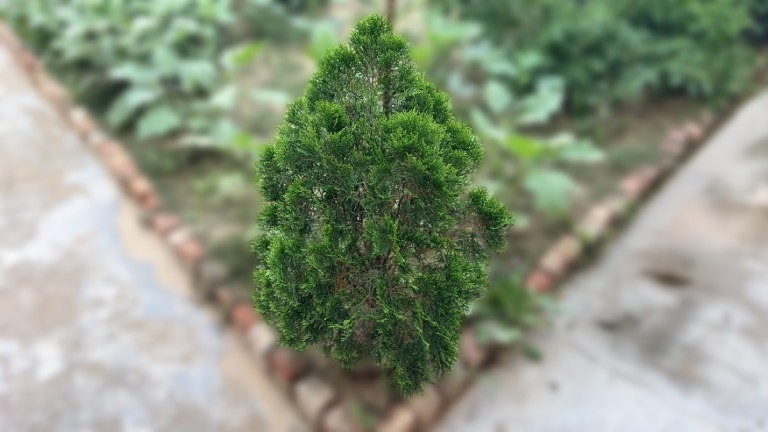
Morpankhi, also called Platycladus orientalis. It is an evergreen plant that can grow outdoors. It is commonly grown in gardens and pots. You can buy a healthy plant from a nursery, which is better than growing it from seed. Your Morpankhi needs full sunlight for the best growth. It can tolerate some light shade. Around 4 to 6 hours of sunlight daily is good for this plant. You should water the plant only when the top layer of soil becomes dry because overwatering can damage the roots. A well-drained pot and moderately fertile soil are best. A balanced fertilizer once or twice during the growing season is generally enough.
Your Morpankhi can grow well in pots when the container has drainage holes. A young plant can start in a 12 to 16 inch pot, with a larger container needed as the roots develop. The plant is cold hardy and can tolerate winter in many climates. It grows best around 15°C to 30°C. Pruning is mainly needed to maintain shape. Spider mites, scale, and other pests can sometimes occur. Good airflow and careful watering help prevent problems. A mature Morpankhi can become several metres tall when grown outdoors.
3. Madagascar Periwinkle Vinca Catharanthus roseus
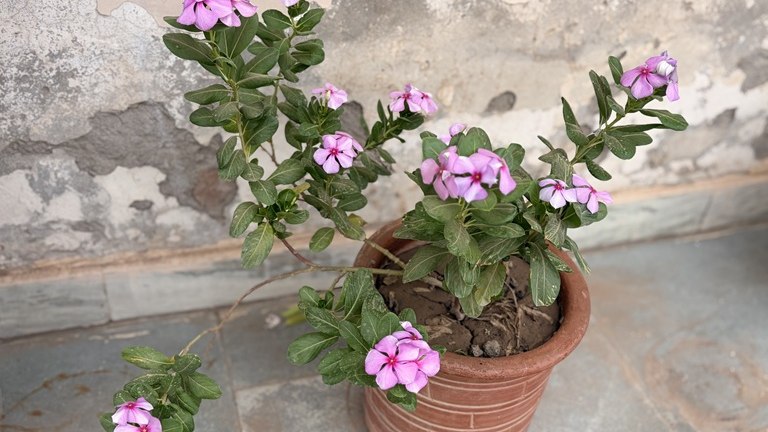
Madagascar Periwinkle is scientifically known as Catharanthus roseus. It is a warm-weather flowering plant. Vinca produces attractive pink, purple, red, or white flowers. You can grow it outdoors in gardens or pots. Buying a healthy nursery plant is easier than growing from seed. However, it can grow from its flower seeds. Your Periwinkle needs around 6 hours of direct sun each day. Some light shade is tolerated, but too much shade can reduce flowering. You can give water to this plant when the top inch of soil feels dry. A balanced fertilizer during active growth can support flowering every 4 to 6 weeks.
Catharanthus roseus can grow well in pots. A 12 to 18-inch pot with good drainage is suitable for one mature plant. Madagascar Periwinkle prefers temperatures around 21°C to 30°C. It does not tolerate frost and should be protected from cold winters. Light pruning is necessary for this plant to keep in good shape because its branches are soft. This plant can be affected by common pests, including aphids and spider mites. Insecticidal soap can help control them. Overwatering, poor drainage, and insufficient sunlight are common problems. Your plant can usually grow about 30 to 60 cm tall.
4. Purple Heart Queen Plant Tradescantia pallida
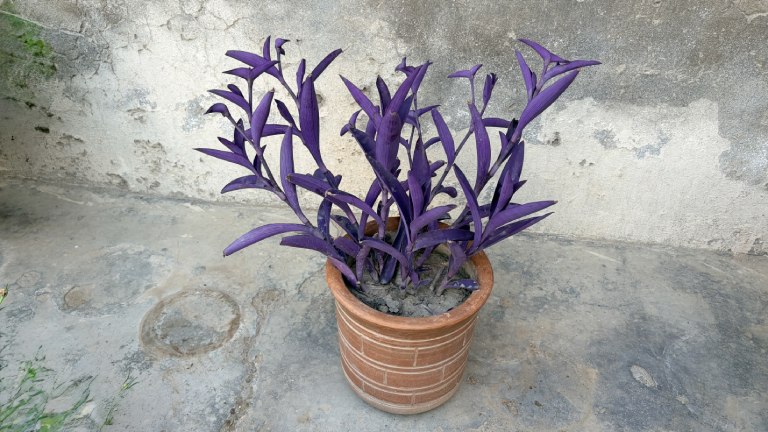
Purple Heart plant, also called Tradescantia pallida. It is a popular ornamental plant known for its long purple leaves and small pink-purple flowers. You can grow it indoors or outdoors. But outdoor plants usually develop stronger colour in bright light. Your Purple Heart needs full sun to partial shade; around 4 to 6 hours of sunlight daily helps maintain its rich purple colour. You should water when the top layer of soil feels dry because constantly wet soil can cause root problems. A balanced fertilizer once a month during active growth is usually enough.
Your Purple Heart grows well in pots. A 10 to 12 inch pot with drainage holes works well for one established plant. The plant prefers temperatures around 18°C to 30°C. You should bring potted plants indoors when temperatures become very cold. Pruning is helpful because regular trimming keeps the plant bushy and encourages new growth. Spider mites, aphids, and mealybugs can sometimes appear. Insecticidal soap can help control these pests. Common problems include fading purple colour, root rot, and leggy growth. Purple Heart is useful as a ground cover and can add attractive colour to gardens, containers, and indoor spaces.
5. Moss Rose 9 or 10 O’Clock flower Portulaca grandiflora
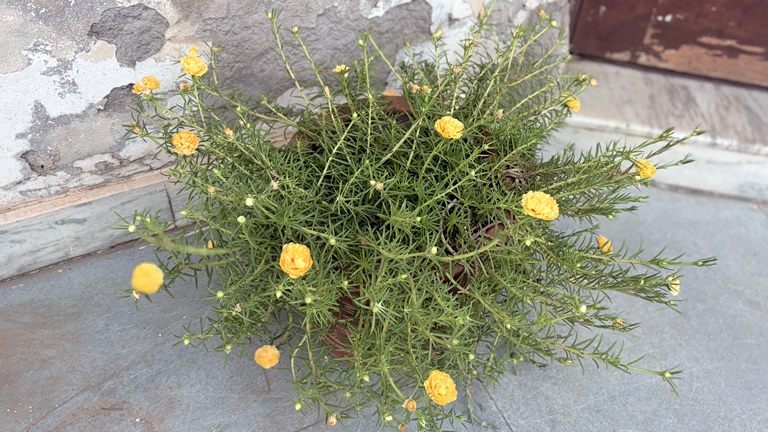
Moss Rose, also called 9 O’Clock flower or Portulaca grandiflora. It is a colourful flowering plant. it is best known for bright pink, red, yellow, orange, and white flowers. The flowers usually start opening in morning sunlight and close later in the day or afternoon. You can grow Moss Rose outdoors in gardens, balconies, or pots. Moss Rose plants need full sunlight. Direct sunlight does not affect its leaves. Well-drained sandy or gritty soil is best because this plant does not like wet roots. You can grow it at home from seeds or healthy nursery plants.
Your Moss Rose needs very little water once fully grown. You should water when the soil has dried out. Fertilizer is usually not necessary for Mose Rose, but a light feeding during the growing season can support flowering. Pots with drainage holes work well, and a 6 to 10 inch pot is suitable for one plant. Moss Rose grows best around 21°C to 32°C. Mose Rose does not flower much during cold winters. Light pruning can keep the plant neat. Moss Rose generally has few serious pest problems. Your plant usually grows about 10 to 20 cm tall. It is easy to grow and works well for colourful borders, rock gardens, containers and sunny balconies. It is a warm-season plant and a perennial plant that can survive only on water.
6. Norfolk Island Pine Araucaria heterophylla
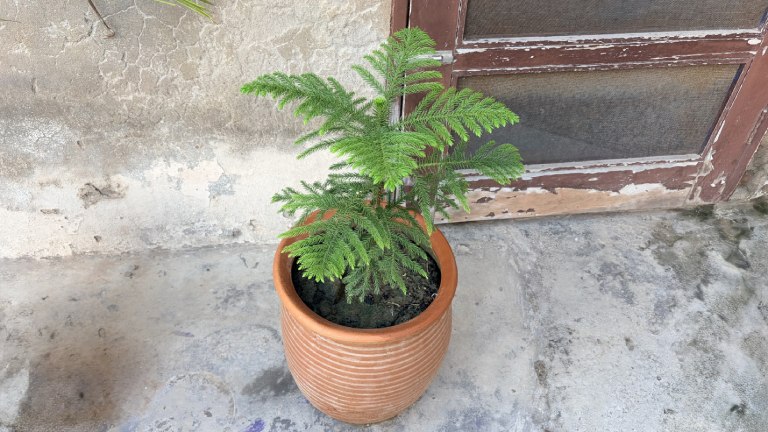
Norfolk Island Pine, another scientific name is Araucaria heterophylla. This plant is an evergreen ornamental plant. It has soft green needle-like leaves and a naturally symmetrical shape. It is a foliage plant rather than a flowering houseplant. You can grow it indoors or outdoors. Your Norfolk Island Pine needs a few hours of gentle direct sunlight. Acidic soil with organic matter is suitable. You can grow it at home from a young nursery plant. Your plant needs regular watering. The soil should not remain soggy.
Your Norfolk Island Pine grows well in pots and a houseplant garden. A young plant can start in a 10 to 12 inch pot with drainage holes. The plant prefers temperatures around 16°C to 24°C. It should be protected from frost and very cold weather. A balanced fertilizer every 2 to 3 months during active growth is generally enough. Pruning is usually unnecessary because the plant naturally develops its shape. You should remove only dead or damaged branches. Common problems with Norfolk Island Pine plants are brown or yellow needles, needle drop, root rot, and spider mites. Dry air, poor light, and incorrect watering can cause these issues. Outdoor trees can become very large, while indoor plants usually remain much smaller. Your Norfolk Island Pine can add greenery to indoor spaces and gardens.
7. Indian Borage maxican mint Cuban Oregano, Plectranthus amboinicus
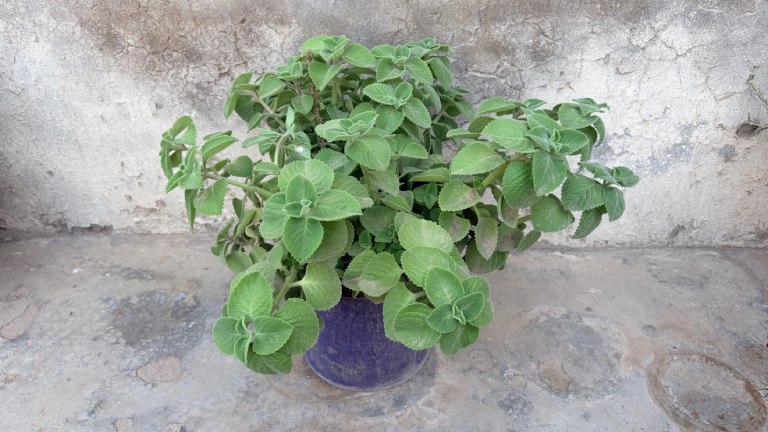
Indian Borage, also called Mexican Mint or Cuban Oregano and Plectranthus amboinicus. It is a leafy aromatic plant with thick, soft leaves and a strong oregano-like smell. Many people love it because the leaves are green and attractive. This plant is easy to grow. You can grow it indoors or outdoors. Your plant needs bright light and about 4 to 6 hours of sunlight each day. Morning sun and partial shade work well in hot weather. Normal garden soil can work. You should avoid heavy soil that holds too much water. Indian Borage can tolerate short dry periods because its fleshy leaves store water. You can grow it easily from stem cuttings. Its stem usually roots faster than seeds.
Your Indian Borage grows well in pots. A 10 to 12 inch pot with drainage holes is suitable for one established plant. The plant enjoys warm summer weather but should be protected from frost and very cold winters. Fertilizer once every 2 to 3 months during active growth is usually enough. You can do regular trimming that helps keep the plant bushy and prevent it from becoming leggy. Aphids, mealybugs, and spider mites can sometimes appear. Your plant can grow around 30 to 90 cm tall. It also makes an attractive aromatic plant for balconies, kitchens, and home gardens.
8. Money Plant Golden Pothos Devil’s Ivy Epipremnum aureum
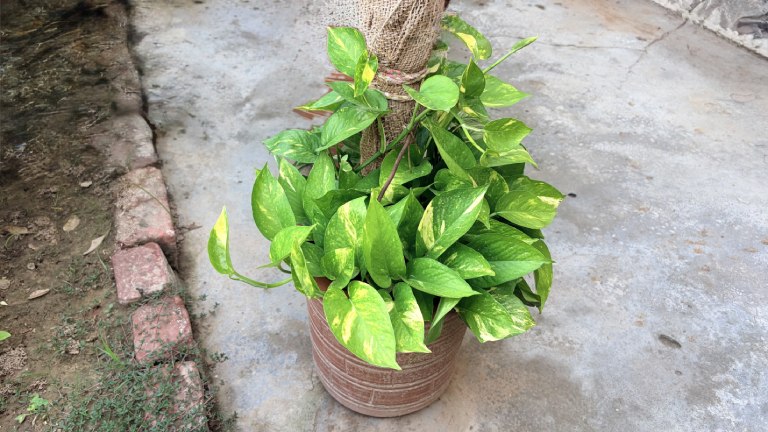
Money Plant, also called Golden Pothos or Devil’s Ivy. It comes under the Epipremnum aureum category. It is a leafy houseplant that people love for its heart-shaped green leaves with yellow-golden patterns. You can grow it indoors or outdoors in warm climates. Your Pothos grows most actively during spring and summer. Bright indirect light is best for strong growth and good leaf colour. It can tolerate low light, but direct full sun can scorch the leaves. Normal potting soil is best for it with proper drainage. You can easily grow Money Plant at home from stem cuttings placed in water or soil.
Your Money Plant grows very well in pots. A 6 to 10 inch pot is suitable for a young plant. You should water when the top 1 to 2 inches of soil feels dry. Fertilizing every 6 weeks during active growth is usually enough. Regular trimming helps control long vines and encourages fuller growth. Pests such as mealybugs, scale, and spider mites can sometimes appear. Insecticidal spray can control them. Overwatering, yellow leaves, and root rot are common problems. Money plant grows well in warm weather. But it can grow very slowly in cold winters. You should protect it from temperatures below about 10°C. The vines can grow several metres long when given good support and care.