Plant-based dental materials are changing how your dentist repairs teeth. You may feel unsure about new options when you already trust what has been used for years. Yet today you can choose materials that protect your mouth and respect your body. These products come from plants, not metals or harsh chemicals. They support strong teeth, steady comfort, and fewer worries about long-term exposure. You still receive the strength you need for chewing and daily use. You also gain a cleaner feeling about what stays in your mouth every day. They want care that matches their health values. You deserve clear facts, simple choices, and honest guidance. This blog explains how plant-based dental materials work, why they matter for your health, and what to ask at your next appointment.
What “Plant-Based” Means In Your Mouth
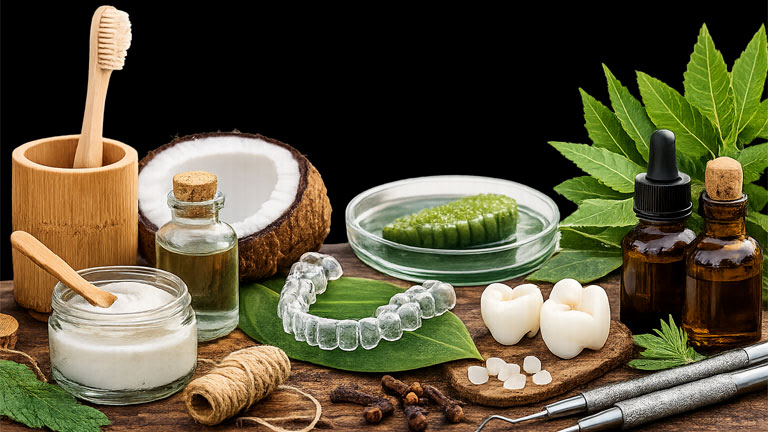
Plant-based dental materials use resins, fibers, or waxes that start from plants. Common sources include corn, sugarcane, tree sap, and seed oils. These ingredients then mix with other safe compounds to create fillings, crowns, and trays.
You still receive a strong repair. You do not receive metal taste, sharp edges, or dark color. This shift can feel small at first. Yet it touches three parts of your life.
- Your daily comfort
- Your long-term health
- Your sense of safety about what stays in your body
Why Many People Want Options Without Metal
For years, dentists used metal fillings and crowns. Silver-colored fillings often hold mercury. Crowns often sit on metal bases. These materials have helped many people keep their teeth. Still, you may worry about color, taste, or long contact with certain metals.
The U.S. Food and Drug Administration shares guidance on dental fillings that contain mercury in dental amalgam. This information helps you think about your own risk. It also shows why new choices matter.
Plant-based materials cut out metal and mercury. They can also cut down on plastic content. They offer neutral taste and tooth-like color. Many people feel calmer knowing they have that path.
How Plant-Based Materials Support Strong Teeth
Good dental work must do three things.
- Stand up under chewing
- Seal the tooth from germs
- Fit with your bite and speech
Plant-based fillings and crowns can meet these needs. Modern resins and fibers reach strength levels close to or equal to standard composite materials. Dentists can bond these materials tightly to tooth surfaces. That helps block decay from sneaking in around the edges.
Repair visits can also change. Your dentist often removes less healthy tooth structure when using bonded plant-based materials. That means more of your natural tooth stays in place. Over time, more natural tooth often means fewer repeat repairs.
Comparing Common Restorative Materials
| Material type | Main source | Color | Metal content | Typical use |
|---|---|---|---|---|
| Amalgam filling | Metals and mercury | Dark silver | High | Back tooth fillings |
| Standard composite | Petrochemical resins and glass | Tooth colored | None | Front and back fillings |
| All-ceramic crown | Porcelain | Tooth colored | None | Crowns and veneers |
| Plant-based composite | Plant resins and fibers | Tooth colored | None | Fillings and bonding |
| Plant-reinforced crown | Ceramic with plant-based resin core | Tooth colored | None | Crowns and onlays |
Comfort And Safety For Children And Older Adults
Families often ask if plant-based materials are safe for children or older adults. Safety depends on the person, the tooth, and the product. Yet plant-based materials can help three groups in clear ways.
- Children who need fillings in front teeth where color matters
- Pregnant people who want to avoid new mercury exposure
- Older adults with many past metal restorations who want a change over time
The National Institute of Dental and Craniofacial Research explains how tooth decay forms and how fillings protect teeth. That resource can help you weigh the need for repair against your material concerns.
Questions To Ask Your Dentist
You do not need to know every product name. You only need a short list of clear questions.
- Do you offer any plant-based filling or crown materials?
- Which teeth are good candidates for these options?
- How long do these materials usually last in my mouth?
- How do costs compare with standard options?
- Can you show me the safety data sheet for the materials you use?
You can bring these questions for yourself or for your child. A good dental team will walk through each point. They will match the material to your tooth, your bite, and your health story.
How To Decide What Is Right For You
Your choice does not need to feel rushed. You can follow three steps.
- Ask your dentist to explain every suitable material for your tooth
- Write down pros and cons for each option
- Choose the path that protects your tooth and matches your values
Some people keep older metal work that still functions. Others replace metal pieces with ones over time. Plant-based materials give you one more safe route as you plan. Many patients now ask about plant-based fillings, bonding, and even Wantagh dental crowns.
Moving Toward Kinder Restorative Care
Plant-based dental materials do more than fill gaps. They support a quieter mouth, steady chewing, and trust in what rests in your body. They also invite better talks between you and your dentist.
You deserve care that guards your health and respects your choices. With clear facts and strong plant-based options, you can protect your teeth today and feel at peace with that choice tomorrow.